Little Italy San Diego: Best Things to Do, Eat and See
Little Italy packs more restaurants per block than almost anywhere in San Diego, sits directly on the bayfront, and connects to the Embarcadero on foot. Here is how to plan a visit, from the farmers market to the food tours.
Short answer
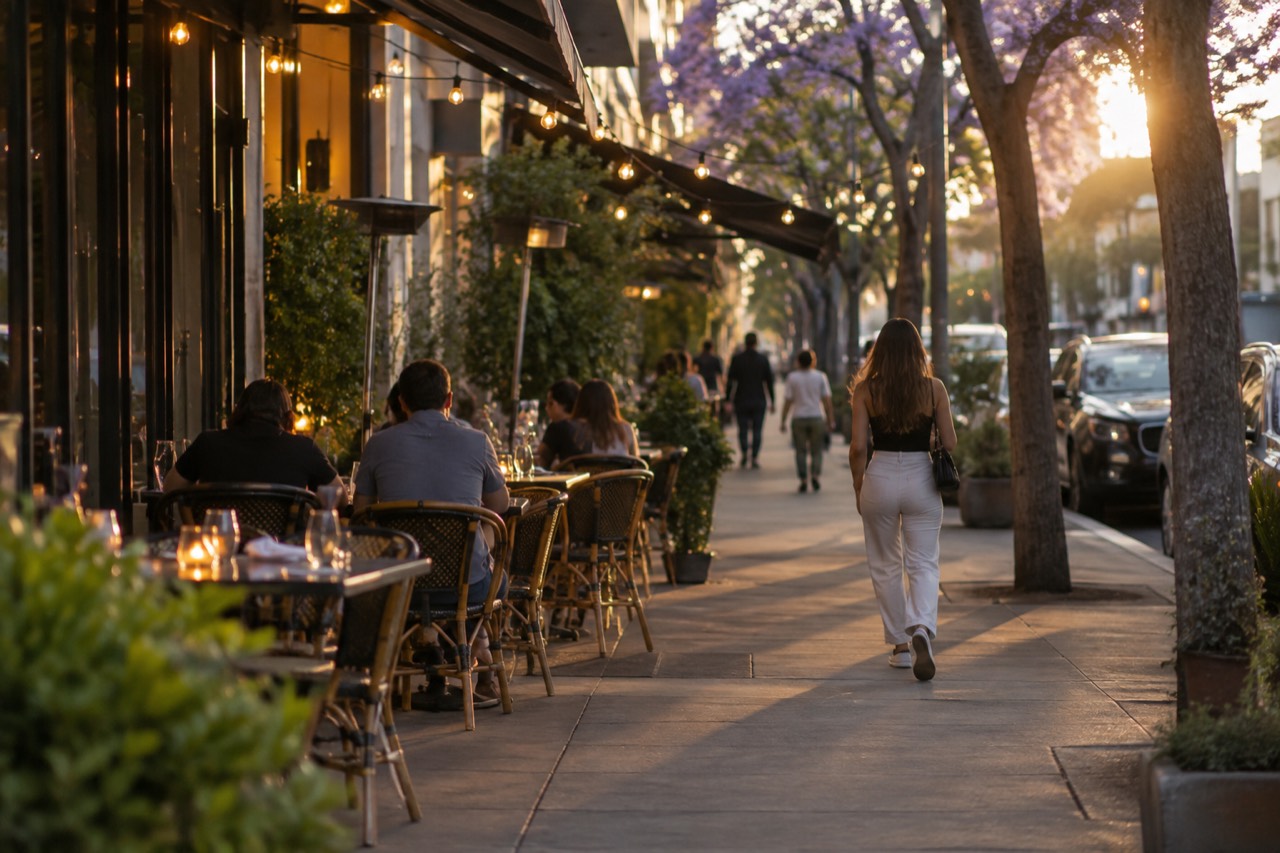
Little Italy is a walkable waterfront neighborhood just northwest of downtown, reachable on the trolley for $2.50 one way. Plan on two to three hours for dinner and a stroll, or half a day with the Embarcadero and the USS Midway Museum, where adult entry is $39 online. The Saturday farmers market and a short food tour are the two signature moves.
Little Italy runs along India Street from the freeway down to the bay, and for a neighborhood of barely ten blocks it carries an outsized share of San Diego's food reputation. It was historically the heart of the city's Italian fishing community, and the commercial fishing fleet still works out of the nearby harbor, which is why the seafood here is not a theme but a supply chain. Today the district blends old family businesses with a dense strip of restaurants, cocktail bars, galleries and monthly events, all within a flat, short walk of the Embarcadero.
This page lays out what to do here, how to get in without a car, what the waterfront stretch offers, and how much time the neighborhood deserves on a San Diego itinerary. Where a figure matters, such as transit fares and museum entry, it comes from the official source, and where something genuinely cannot be pinned down, this guide says so instead of guessing.
What Makes Little Italy Worth Visiting?
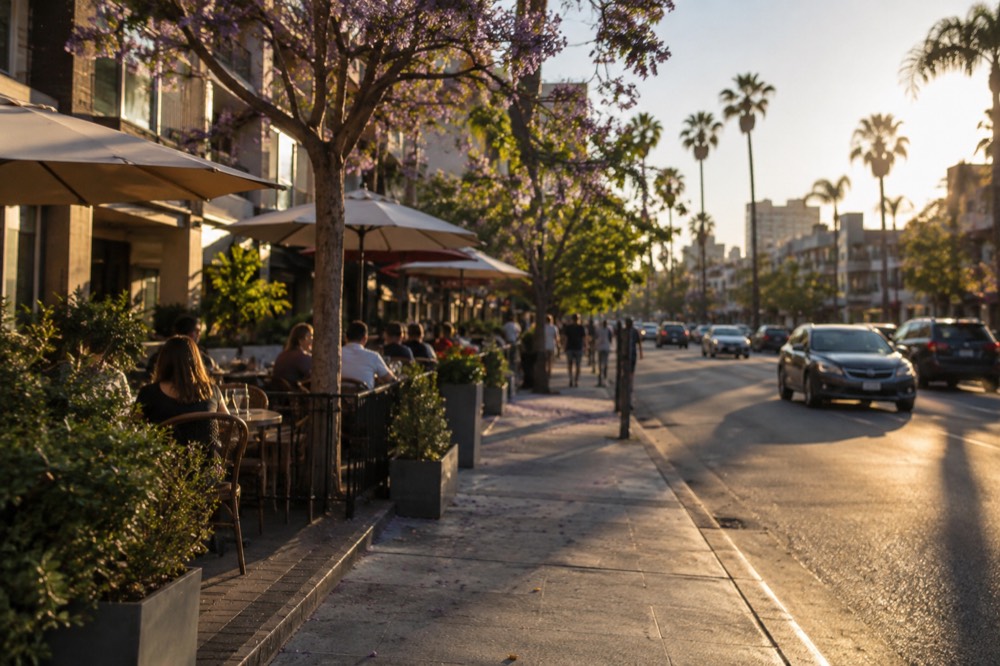
Little Italy is worth visiting because it concentrates three things San Diego otherwise spreads across the whole city: a high density of well-regarded restaurants, direct bayfront access, and a year-round events calendar, all in a compact, flat, walkable district about a mile from the Gaslamp Quarter. Most visitors can cover it on foot in a couple of hours, and the trolley and several bus routes stop within a few blocks.
The neighborhood's scale is its main asset. You can park once, or arrive on transit, and then walk to dinner, dessert, a gallery and the water without crossing more than a handful of streets. That is rare in a city built around cars, and it is why the district works as an evening stop on a downtown San Diego itinerary rather than needing a dedicated day.
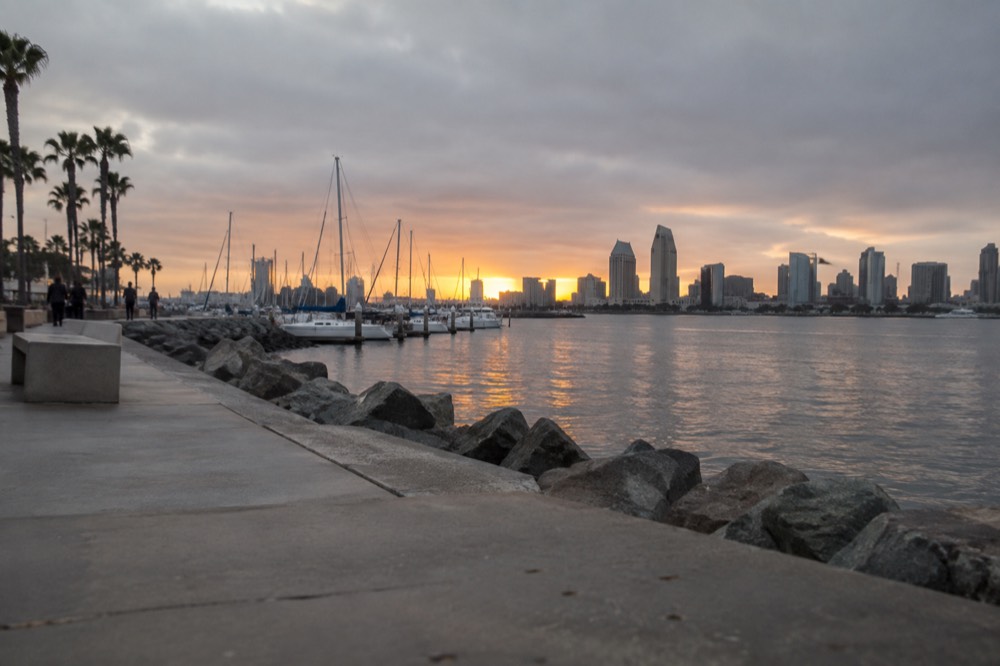
The second asset is the water. The western edge of the neighborhood meets San Diego Bay, and the Embarcadero promenade continues south past the maritime museums toward the USS Midway. Sunset over the bay, with Coronado and the harbor traffic in the frame, is the neighborhood's free nightly show, and the benches along the waterfront fill up accordingly.
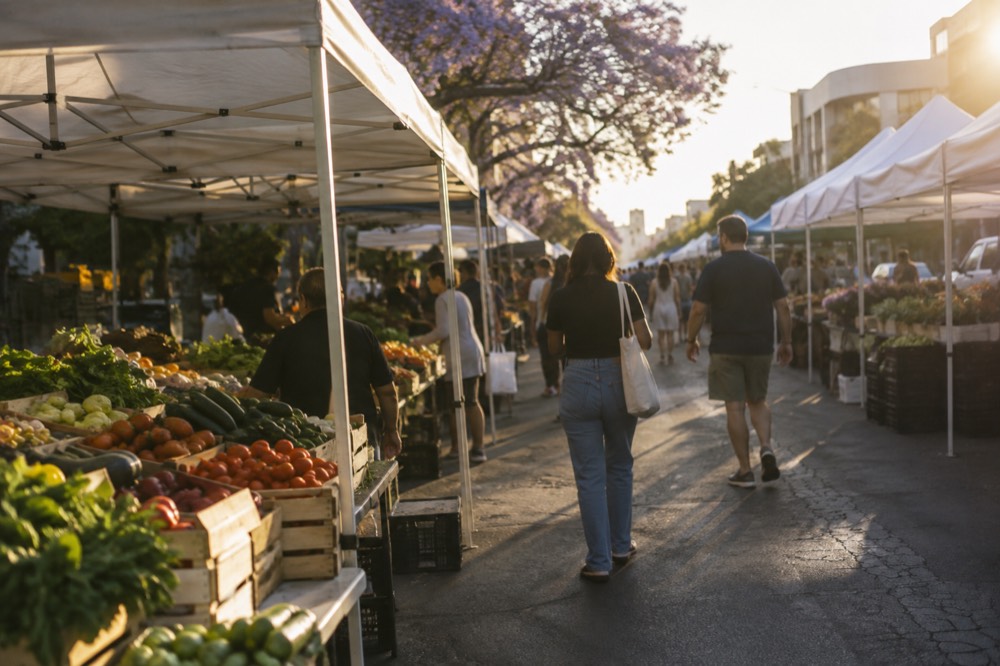
Third is the calendar. The district runs recurring public events, including the Saturday farmers market that takes over several blocks of West Date Street, and seasonal neighborhood festivals that draw crowds from across the county. Check the neighborhood association's own listings before you plan around any specific event date, because festival schedules shift year to year.
What Are the Best Things to Do in Little Italy?
The best things to do in Little Italy are eating, and the neighborhood rewards doing that deliberately: a guided food tour, the Saturday farmers market, a slow walk down India Street, and an evening stroll on the bayfront promenade. Travelers who want structure can book a 30-minute taste-along tasting walk or a full 2 hour 30 minute food and drink walking tour, both led by guides who know the kitchens.
Food is the reason most people come, and the honest advice is that the restaurant density is genuinely high, so a tour or a market visit helps you sample broadly instead of committing to one table. The short option, the Taste of Little Italy experience, runs about 30 minutes and works as an appetizer tour of the district's signature stops. It pairs neatly with a market morning or a pre-dinner wander. You can see the Taste of Little Italy tour for full details.
The fuller option is the Little Italy Food and Drink Walking Tour, a 2 hour 30 minute guided walk through the neighborhood's kitchens and bars with tastings along the way. It suits travelers spending a whole evening here, and it doubles as an orientation: a good guide points out which blocks hold the older family institutions and which are newer arrivals. If your trip already includes a guided food walk in the Gaslamp, pick one neighborhood rather than both, since the formats overlap heavily.
Beyond food, the neighborhood offers a small cluster of art galleries along Kettner Boulevard, the architecture of the old commercial blocks, and the piazzas that host the events calendar. None of these need tickets. The practical pattern that works for most visitors: market or gallery time in the afternoon, dinner on India Street, then the waterfront after dark.
If you are building the neighborhood into a bigger trip, this trio covers the three most common ways travelers experience it, from a quick tasting walk to the major attractions nearby:
Where Is Little Italy and How Do You Get There?
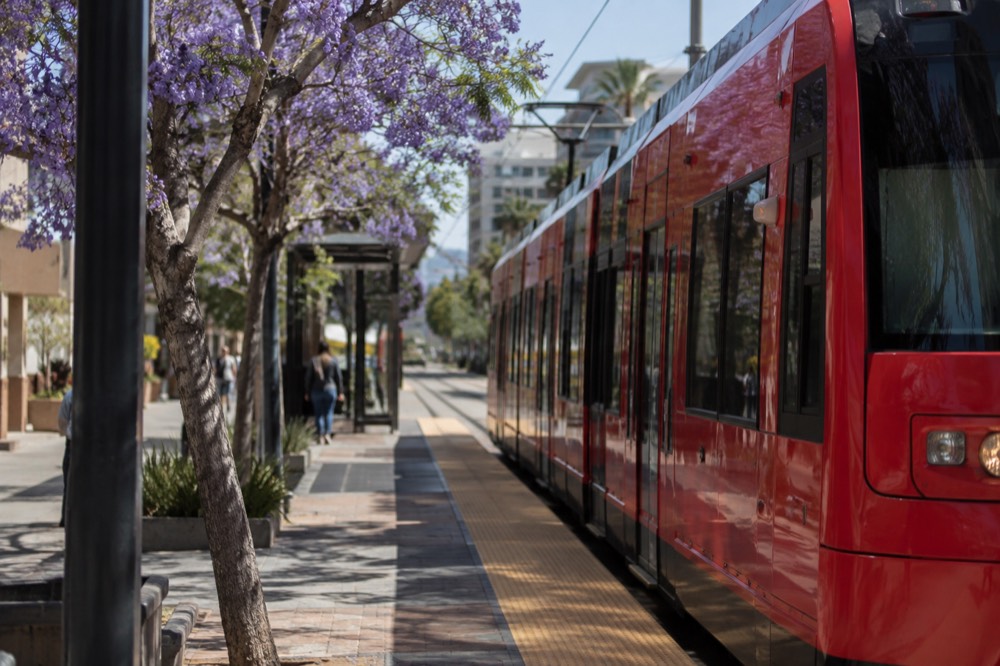
Little Italy sits on the bayfront just northwest of downtown San Diego, centered on India Street between Ash Street and the airport approach. The trolley serves it directly at the Little Italy station on the Blue Line, the adult fare is $2.50 one way or $6.00 for a day pass on the PRONTO system, and driving in is possible but downtown parking is metered at $2.50 per hour.
Transit is the stress-free option. The Blue Line trolley stops in the heart of the neighborhood, and the fare chart published by the transit agency lists the adult one-way fare at $2.50 with two-hour transfers, and the day pass at $6.00. The PRONTO card or app caps fares automatically, meaning once your individual rides add up to the day-pass value the system stops charging you, so there is no reason to buy a day pass up front. Youth 18 and under ride free. You can read the full MTS fare chart on the agency's own site.
Driving is workable outside peak dinner hours. Downtown meters charge $2.50 per hour with enforcement generally Monday to Saturday from 8:00 am to 6:00 pm, some zones running to 8:00 pm, and Sunday enforcement now extends into commercial areas of downtown, so Sunday is no longer reliably free. The city's parking FAQ has the current rules, and posted signs always win over any guide, including this one. For a deeper dive, see the site's parking in San Diego guide.
| Getting there | Cost | Notes |
|---|---|---|
| Blue Line trolley | $2.50 one way | Little Italy station is in the neighborhood core; PRONTO caps at the $6.00 day value |
| MTS bus | $2.50 one way | Same fare media as the trolley, two-hour transfers included |
| Downtown meter | $2.50 per hour | Enforcement mostly Mon-Sat 8 am to 6 pm, some zones to 8 pm |
| Rideshare from the airport | Varies by demand | The airport sits just north of the neighborhood; it is a short hop |
| On foot from downtown | Free | Roughly a mile from the Gaslamp Quarter along the Embarcadero |
The airport proximity cuts both ways. SAN is immediately north of the district, which makes Little Italy one of the most sensible first or last stops on any San Diego trip, and the San Diego airport guide covers the shuttle and bus options if you are arriving with luggage.
What Is There to Do on the Little Italy Waterfront?
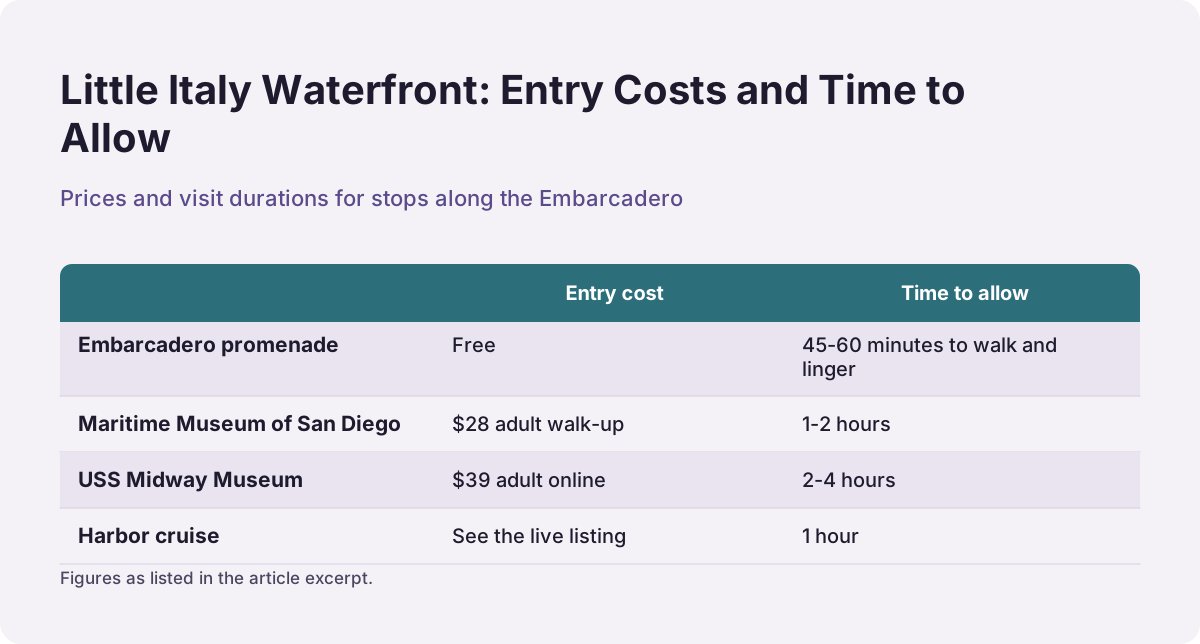
The Little Italy waterfront connects to the Embarcadero promenade, which leads south past the Maritime Museum of San Diego to the USS Midway Museum, roughly a 15 to 20 minute flat walk away. The Midway charges $39 adult online, the Maritime Museum $28 walk-up, and a one-hour harbor cruise departs from the nearby piers for a view of the whole bay.
The walk itself is the attraction. The promenade runs continuously along the bay, past marinas, public piers and the fishing harbor, with Coronado and the bridge in view the whole way. Give it an unhurried hour if you like photographing harbors; the Embarcadero is one of the city's most reliable picture spots, especially in the last hour before sunset.
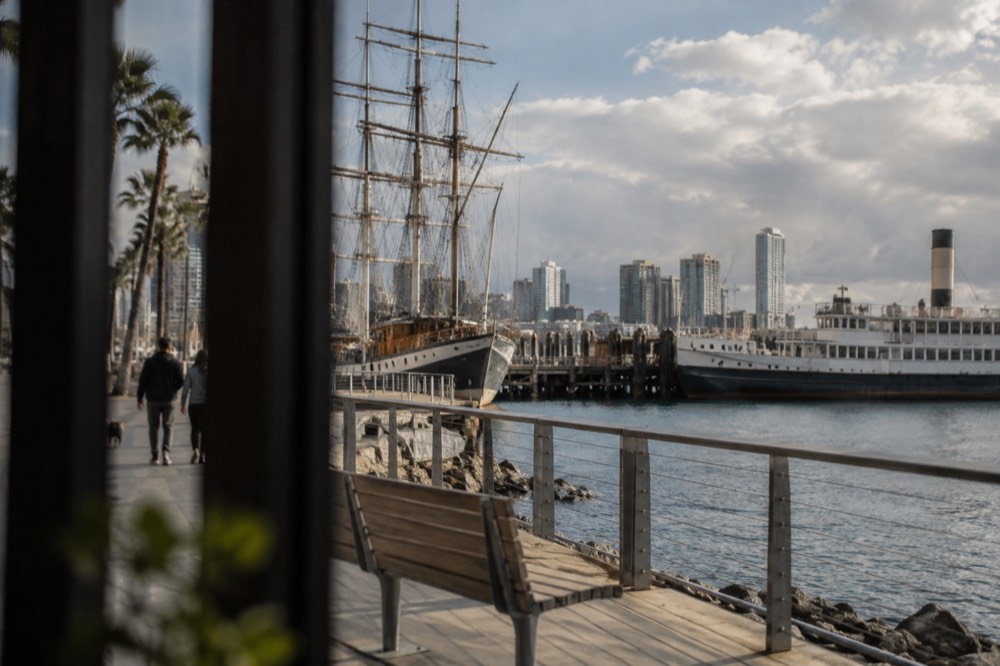
The Maritime Museum of San Diego sits along this stretch, a floating collection of historic vessels including a tall ship and an old steam ferry. Adult admission is $28 walk-up, seniors 62+ and military $20, youth 6 to 17 $15, and children 5 and under free. One quirk worth knowing: the gift shop aboard the historic Berkeley ferry is open daily 10:00 am to 4:00 pm and needs no museum admission, so you can step aboard a piece of maritime history for free. Full details are in the site's Maritime Museum guide.
Farther south stands the USS Midway, the aircraft carrier museum and one of the city's headline attractions. Adult entry is $39 online or $41 at the door, youth 4 to 12 pay $29 online, veterans with ID $26, and children 3 and under plus active duty military with valid ID enter free. It opens 10:00 am to 5:00 pm with last admission at 4:00 pm, closed Thanksgiving and Christmas. The USS Midway Museum guide covers the flight deck and below-deck routes.
| Waterfront stop | Entry cost | Time to allow |
|---|---|---|
| Embarcadero promenade | Free | 45-60 minutes to walk and linger |
| Maritime Museum of San Diego | $28 adult walk-up | 1-2 hours |
| USS Midway Museum | $39 adult online | 2-4 hours |
| Harbor cruise | See the live listing | 1 hour |
For the water itself, the one-hour harbor cruise departs from the downtown piers and loops the bay, which frames the neighborhood from the outside and pairs well with a later dinner back on India Street. The San Diego harbor cruise runs year round.
One more waterfront note for cruise passengers: the Port of San Diego's published 2026-27 cruise schedule carries 177 ship calls between August 2026 and May 2027, with January 2027 the busiest month at 30 calls, and the cruise terminal sits within walking distance of the neighborhood. If your ship overnights in port, Little Italy is the natural dinner run.
When Is the Best Time to Visit Little Italy?
The best time to visit Little Italy is Saturday morning for the farmers market, or September and early October for the warmest, calmest weather. September's normal high of 77.2F actually beats July's by 1.9F while the crowds thin, and the marine layer that locals call May Gray and June Gloom means late spring mornings can be grey even when afternoons clear.
The Saturday market is the neighborhood's weekly peak, and it is the one timing rule worth planning around. It fills several blocks with farm stalls, prepared food and coffee, so arrive early if you want to browse comfortably. The site's San Diego farmers markets guide places it in context with the county's other market days.
On weather, the counterintuitive fact is that September is San Diego's real summer. The 30-year climate normals show September's average high of 77.2F sitting just a tenth of a degree behind August's, and a full 1.9F above July's, while the ocean is warmer than in July. Yet September is one of the quietest visitor months in the region's official counts. For a neighborhood that is mostly outdoor strolling, that combination of warmth and elbow room is ideal.
Late spring needs the caveat. June's normal high, 71.7F, is actually lower than October's 74.6F, because the marine layer sits on the coast in the mornings during May and June before burning off. If you visit in that window, plan indoor breakfast and save the waterfront walk for the afternoon. Rain is barely a factor: the normals show August with one hundredth of an inch for the whole month, and the wet season runs December through March, which holds about 7.3 of the year's inches.
Where Should You Eat and Drink in Little Italy?
Eat along India Street and the cross streets between Date and Grape, where the restaurant density is highest, and treat the choice as a walking decision rather than a single-table one. The two guided options are the 30-minute Taste of Little Italy walk and the 2 hour 30 minute food and drink walking tour; solo diners should check current hours and book ahead on weekends, when the district fills with county locals as well as travelers.
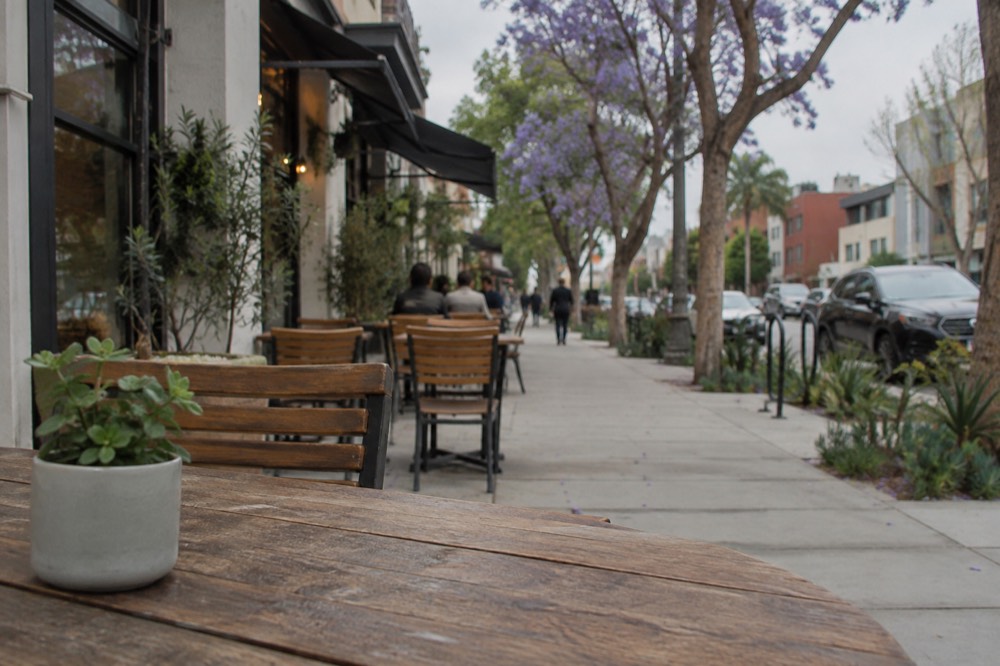
The honest framing: this site does not rank individual restaurants on this page, and the neighborhood's lineup changes often enough that a static list would mislead within a season. What is stable is the pattern. India Street holds the marquee dining rooms, the cross streets hide the smaller kitchens and bars, and Kettner Boulevard mixes restaurants with galleries. The site's best restaurants in San Diego guide covers specific names across the city, and the county's brewery scene reaches into this neighborhood too, with several beer-focused bars a short walk off India Street.
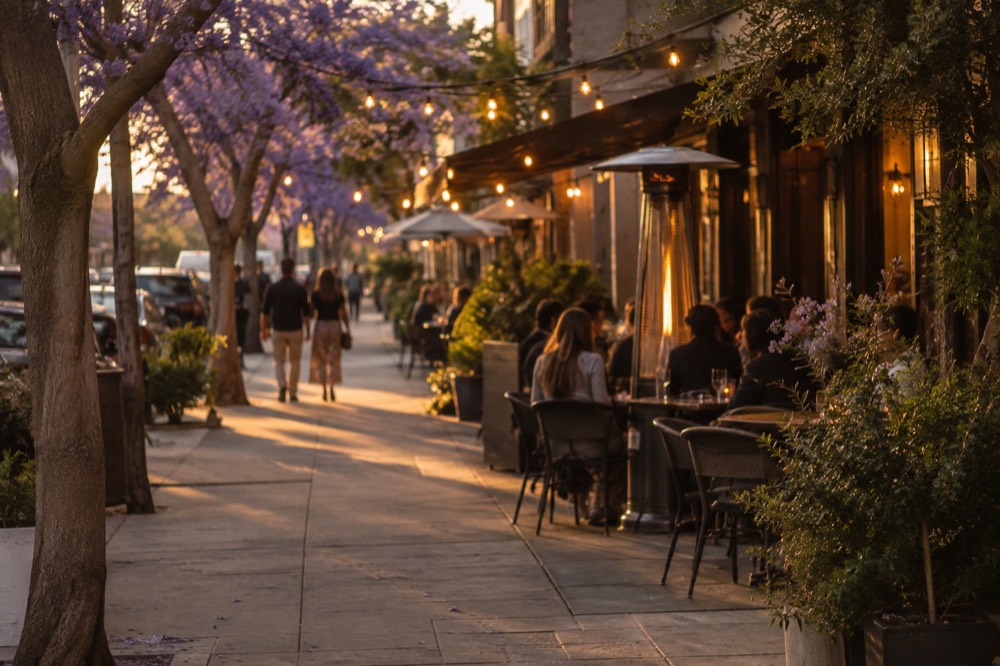
For structure, the tours do the curating for you. The short tasting walk suits a lunchtime or pre-dinner hour; the longer food and drink tour is effectively a full evening's plan with a guide. Families should note that a walking tour with tastings works best with teenagers and adults, while younger kids will be happier with a market snack stop and the waterfront benches.
If you are staying nearby, the neighborhood is also the answer to the where-to-sleep question for travelers who want walkable dinners. The site's where to stay in San Diego guide compares the district against the Gaslamp Quarter and other neighborhoods, and the trade-off is simple: Little Italy is quieter at night than the Gaslamp and closer to the bay than nearly anywhere else.
How Much Time Should You Spend in Little Italy?
Give Little Italy two to three hours for dinner and a stroll, half a day if you add the Saturday market or a food tour, and a full day only if you continue down the Embarcadero to the Maritime Museum and the USS Midway. Most travelers slot it as an evening stop on a downtown day or as the first stop after landing at the airport.
The half-day version, which this site recommends for first-time visitors, looks like this: arrive mid-morning on the trolley, walk the market or the galleries, take a tasting tour or a long lunch, then walk the promenade south as far as your energy allows and ride the trolley back. That is a genuinely full San Diego day that costs very little beyond food. The first time in San Diego guide explains the city's geography if this is your opening visit, and the site's multi-day itineraries route through here on day two or three, after Balboa Park and the zoo have claimed the first full days.
| Visit length | What fits | Best for |
|---|---|---|
| 2-3 hours | Dinner on India Street, dessert, waterfront stroll | Evening stop on a downtown day |
| Half day | Market or galleries, tasting tour, promenade walk | First visit, food-focused travelers |
| Full day | Half-day plan plus Maritime Museum and USS Midway | Travelers who want the waterfront attractions |
| Weekend evening | Dinner plus bars and live music where scheduled | Nightlife, couples |
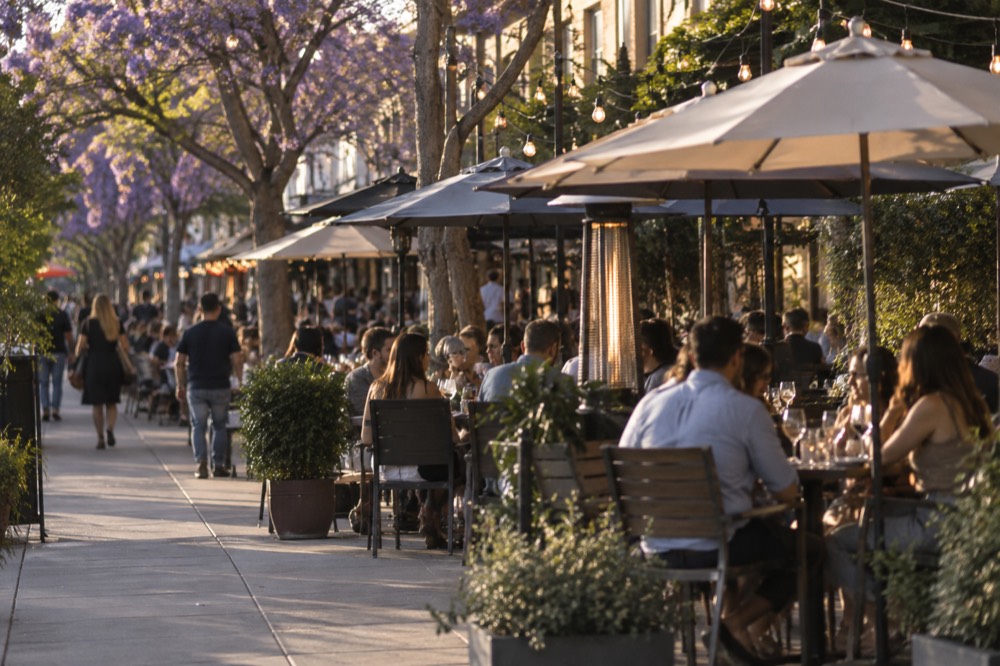
Budget-wise, the neighborhood scales. The market, the promenade and the waterfront walk cost nothing, and the cheap things to do in San Diego guide has more in that vein. At the other end, a food tour plus a harbor cruise plus dinner is a full-price evening, and the San Diego trip cost guide helps you place the neighborhood in an overall budget. This page is part of Things to Do in San Diego, where the planning guides cover every corner of the city the same way this one covers ten blocks of it.
Whichever length you choose, book the structured pieces ahead: the tasting walks and the food tours sell out on weekends, and the USS Midway's online price undercuts the door by $2 per adult. Those three, plus a place to sleep, are the only reservations a Little Italy visit really needs.
Before the closing questions, here once more are the three products that pair best with this neighborhood, from the tasting walk to the attractions a short promenade away:
Common Questions About Little Italy San Diego
What makes Little Italy worth visiting?
A compact, flat, walkable district with a dense restaurant scene, direct bayfront access and a busy events calendar, all about a mile from the Gaslamp Quarter and a short trolley ride from downtown. Most of it can be covered on foot in a couple of hours.
What are the best things to do in Little Italy?
Eat deliberately: take a guided tasting walk or a full food and drink tour, browse the Saturday farmers market, walk India Street, and finish with the bayfront promenade at sunset. The 30-minute Taste of Little Italy walk and the 2 hour 30 minute food and drink tour are the two guided options.
Where is Little Italy and how do you get there?
It sits on the bayfront just northwest of downtown, centered on India Street. The Blue Line trolley stops in the neighborhood core, the adult fare is $2.50 one way with PRONTO capping at the $6.00 day-pass value, and downtown meters charge $2.50 per hour if you drive.
What is there to do on the Little Italy waterfront?
Walk the Embarcadero promenade south past the Maritime Museum of San Diego, $28 adult walk-up, to the USS Midway Museum, $39 adult online, or take a one-hour harbor cruise from the nearby piers. The whole stretch is flat and takes about 15 to 20 minutes to walk end to end.
When is the best time to visit Little Italy?
Saturday morning for the farmers market, or September and early October for weather: September's normal high of 77.2F beats July's by 1.9F while crowds thin. In May and June, expect grey marine-layer mornings and plan the outdoor parts for the afternoon.
How much time should you spend in Little Italy?
Two to three hours for dinner and a stroll, half a day with the market or a food tour, and a full day only if you continue down the Embarcadero to the Maritime Museum and the USS Midway. Most travelers use it as an evening stop or a first stop from the airport.