Parking in San Diego: What It Costs and How to Avoid Paying Twice
Parking is the single biggest practical question a San Diego visitor has, and almost nobody answers it honestly. Here is what the city, the park and the transit agency actually publish.
Short answer
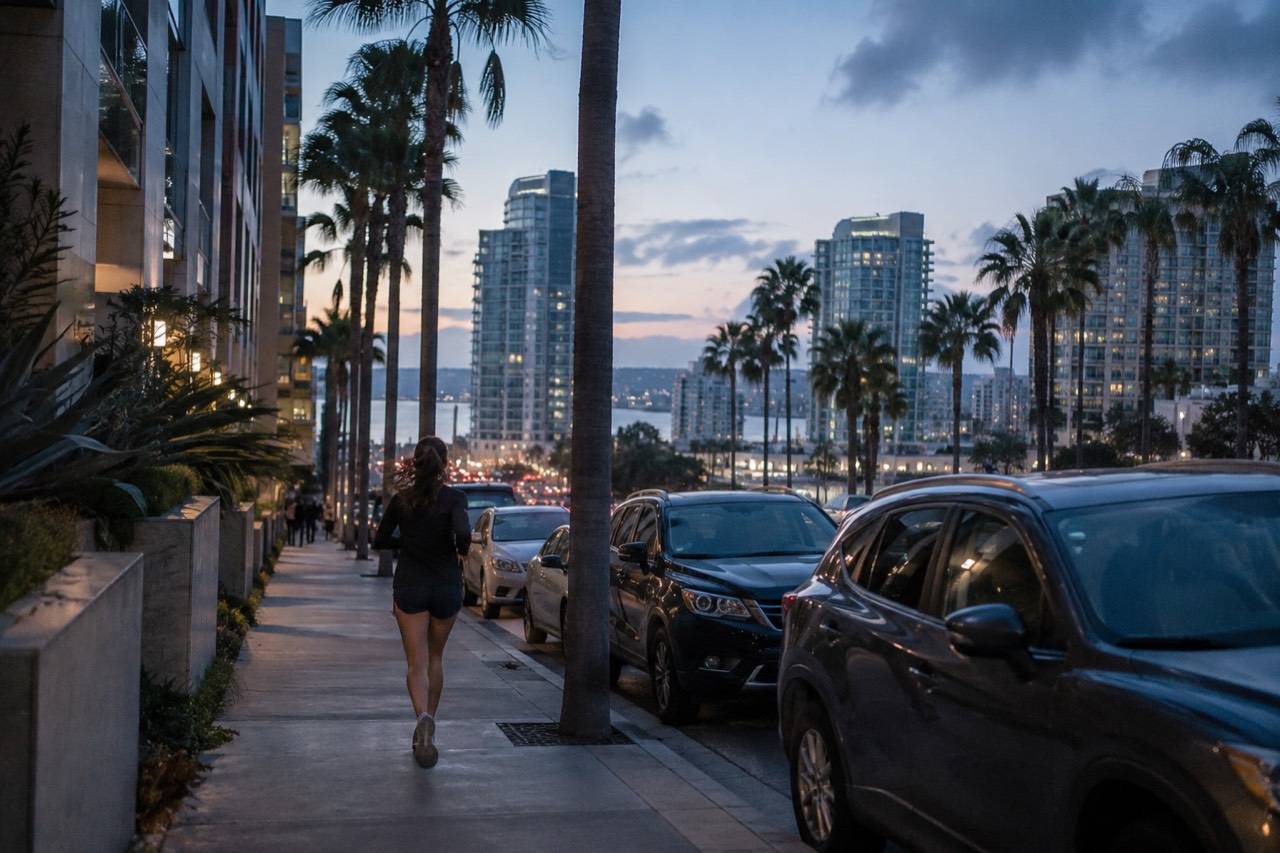
Downtown San Diego meters cost $2.50 per hour, enforced Monday to Saturday from 8:00 am, with some zones running to 8:00 pm. Balboa Park lots run $8 to $16 a day for non-residents until paid parking is removed on 1 January 2027. The Zoo charges $16 per vehicle and the Safari Park $20.
Parking in San Diego is the question this site gets asked more than any other, and it is the one subject where a confident-sounding wrong answer costs you real money. The city publishes its rates, Balboa Park publishes its rates, and the Zoo publishes its rates, but they live on five different pages that almost no visitor will ever find. This guide pulls them into one place, using only what the official sources say, and tells you where the honest answer is that no rate exists at all.
One thing worth saying up front: this site earns nothing from parking. There is no booking widget, no affiliate cut, no sponsored garage. That is unusual for a travel site and it is deliberate, because the moment someone profits from where you park, the advice stops being advice. What follows is the published, checkable version of the truth, including the parts that are less convenient than you were hoping.
How Much Does Parking in Downtown San Diego Cost?
Downtown San Diego meters cost $2.50 per hour, enforced Monday to Saturday, generally from 8:00 am to 6:00 pm, with some zones, including the downtown Hospitality Zone, running to 8:00 pm. Sunday is no longer free everywhere: 2025-26 reforms extended enforcement into commercial areas of Downtown, Uptown, Mid-City and Pacific Beach. Time limits vary by zone, commonly 2 to 4 hours.
That Sunday change catches a lot of people. For years the rule of thumb was that Sunday parking in San Diego was free, and under the reforms that is simply no longer true in the commercial strips. The city's own parking FAQ is the source for all of this, and the posted sign at any given space always wins over any guide, including this one. If the sign says something different from what you read here, pay the sign.
Disabled placards park free at meters, which the city states plainly. Beyond that, the practical downtown strategy is less about finding a bargain and more about matching the parking to the length of your stay. A two-hour meter is useless for a day at the USS Midway, and an all-day garage is wasted money for a ninety-minute lunch stop in the Gaslamp Quarter.
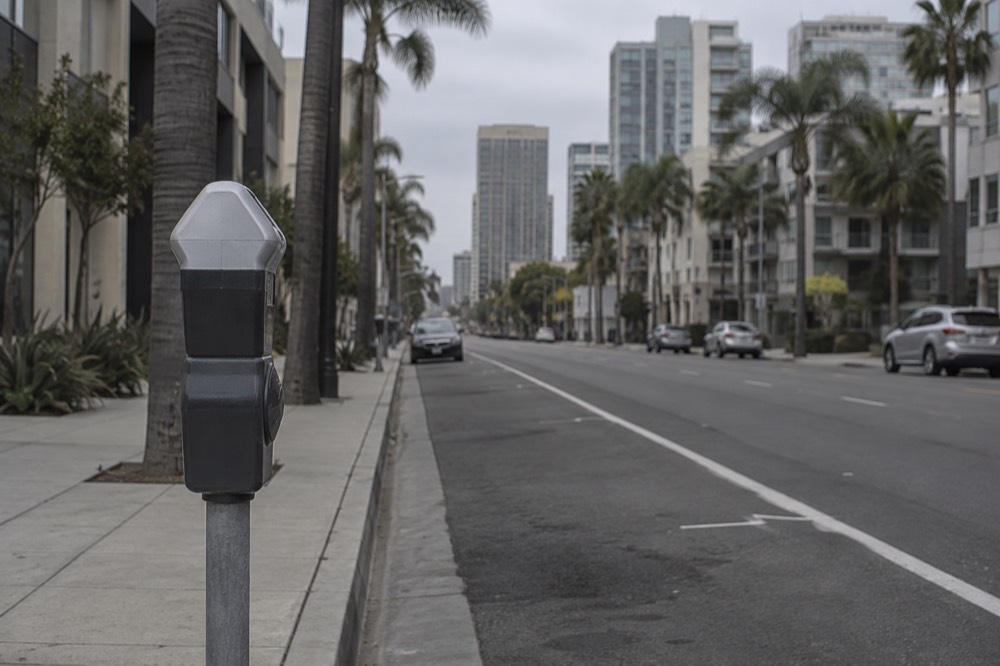
The other thing to know about downtown is how walkable the core already is. The Embarcadero, Seaport Village, the Gaslamp and Little Italy sit close enough together that many visitors park once and never move the car. If your hotel is anywhere in that footprint, the honest advice is that a rental car is a liability for most of your trip, not an asset. More on the car-free option later, because the transit math in this city is genuinely good.
Where Do You Park at Balboa Park, and What Does It Cost?
Balboa Park parking is paid right now: non-residents pay $10 a day in general lots and $16 a day in premium lots, or $10 per 4 hours at the premium rate. City residents pay less, $8 a day in premium lots, and park free in the general lots, but only after registering online in advance. San Diego City Council has approved removing paid parking entirely on 1 January 2027.
That last sentence is the most perishable fact on this page, so treat it carefully. If you are reading this before New Year's Day 2027, paid parking is live and the kiosks are operating roughly 8:00 am to 6:00 pm. After that date it is scheduled to be gone. Any guide that flatly says "parking in Balboa Park is free" or "parking costs $10" without a date caveat is wrong for somebody, depending on when they visit.
| Lot level | Lots | City of San Diego resident | Non-resident |
|---|---|---|---|
| Level 1, premium | Space Theater, Casa de Balboa, Alcazar, Organ Pavilion, South Carousel | $8/day; $5 per 4 hours | $16/day; $10 per 4 hours |
| Level 2, general | Pepper Grove, Federal, Upper Inspiration Point, Marston Point, Bea Evenson, Palisades | Free | $10/day |
| Level 3, general | Lower Inspiration Point | Free | $10/day, first 3 hours free |
The resident discount is a real residency benefit and it is not available at the kiosk. You have to register online in advance with proof of a San Diego address, which as a visitor you almost certainly do not have, so budget for the non-resident column. The rates come from the city's own Balboa Park parking page, which also notes that ADA parking is free with no time limit in every Balboa Park lot and at every meter, with a Disabled Person plate or placard.
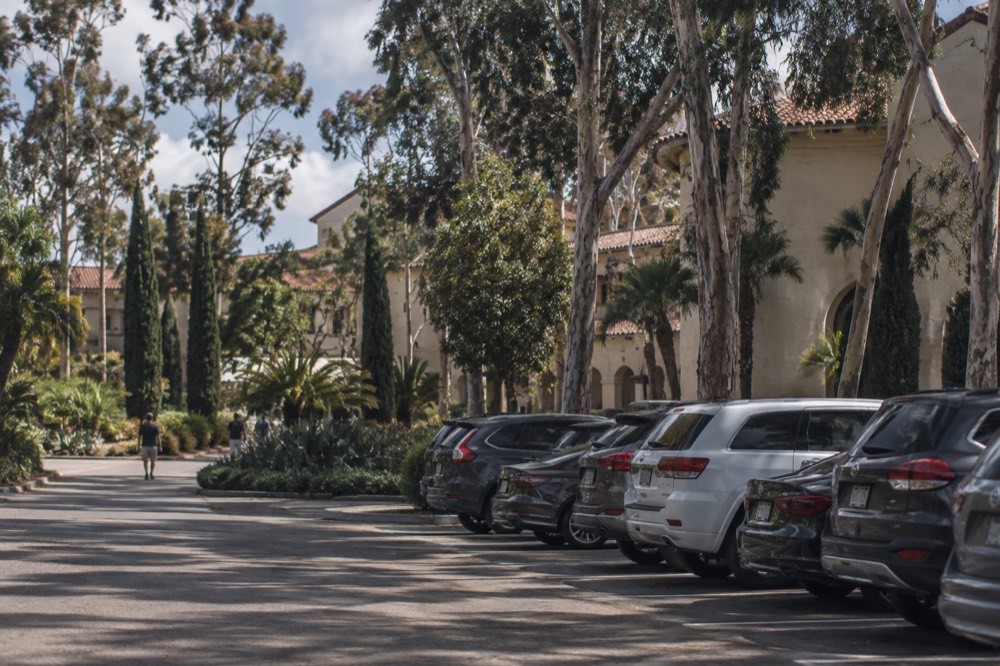
One genuinely useful freebie: the park tram. It runs from 8:00 am to 8:00 pm and shuttles between the outer lots and the museum core, which means the far lots are less of a hardship than they look on the map. On a busy weekend, Lower Inspiration Point with its first three free hours plus a tram ride is a better plan than circling the premium lots for twenty minutes.
The parking question matters most here because of what Balboa Park holds: the Zoo, seventeen-odd museums, the Botanical Building and the Spreckels Organ Pavilion's free Sunday concerts. Our full Balboa Park guide covers the museum cluster in detail, including which museums cannot be booked through this site at all and are bought at the gate.
If you would rather let someone else handle the driving between downtown and the park, a narrated hop-on hop-off trolley ticket is the format most visitors settle on: it runs two days, stops at the park and the waterfront, and removes the parking decision entirely. The alternative in that band is the GoCar option, a two-seater you drive yourself on a GPS-guided route, which is a different kind of fun but still involves parking at the far end.
What Does Parking Cost at the Zoo, Safari Park and SeaWorld?
The San Diego Zoo charges $16 per vehicle per day, a fee that began on 5 January 2026, with oversized vehicles at $44. The Safari Park charges $20 per vehicle for general parking, $55 for oversized, from $45 for preferred, with no in-and-out privileges. SeaWorld parking starts at $37. All three are first come first served, and none can be reserved through a parking app.
The Zoo fee is the one that surprises people, because for most of the Zoo's history parking was free and many older guides still say so. The change came in January 2026, aligned with the city's wider paid-parking push, and it is managed by ACE Parking. The Zoo's own plan-your-visit page is the source. It is first come first served, so on a summer weekend the lot fills and the overflow is street parking in Hillcrest, which is its own adventure.
| Venue | Standard vehicle | Oversized vehicle | Notes |
|---|---|---|---|
| San Diego Zoo | $16/day | $44/day | Began 5 January 2026, ACE Parking, first come first served |
| Safari Park, general | $20/day | $55/day | Preferred from $45; no in-and-out privileges |
| Safari Park, members | Free | Free | All adult Wildlife Alliance members park free |
| SeaWorld San Diego | From $37 | On the parking page | Dynamic; check the official page for your date |
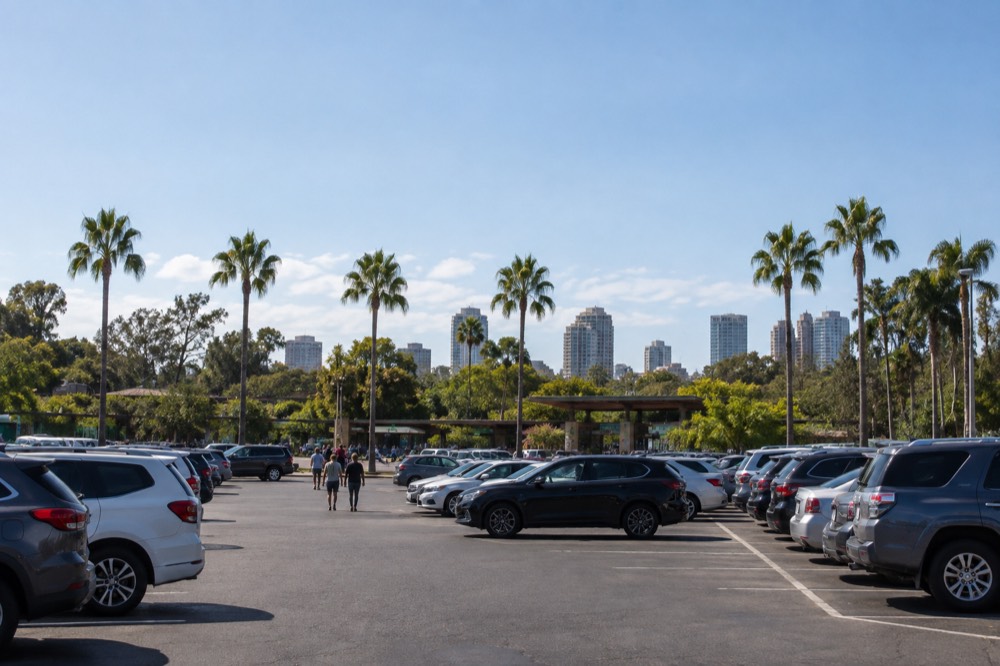
The Safari Park's no in-and-out rule matters more than the price. It sits in Escondido, and visitors who plan it as half a day often end up leaving for lunch and paying twice. Build the full day instead, or pair it with a wine-country stop on the way back, which is what our Temecula wine country guide is for. Safari Park adult members of the San Diego Zoo Wildlife Alliance park free, a perk worth knowing if you visit twice in a year.
SeaWorld's parking starts at $37 and, like its tickets, is priced dynamically, so the number on the day you go is the number on the official parking page, not a number any guide can promise you. The same honest rule applies to LEGOLAND in Carlsbad: parking is charged on arrival, but no published rate exists, so plan on paying something and check the resort's own site before you drive up. Our LEGOLAND California guide covers the ticket side of that trip.
If the Zoo is your main event, the admission ticket itself is the thing to sort out before you leave home, and the entry ticket for the USS Midway down on the waterfront works the same way: buy online, walk past the ticket booth line. Either way, the parking fee at the attraction is paid on arrival and is separate from your ticket, so factor both into the day's budget.
Is Sunday Still a Free Parking Day in San Diego?
No, not reliably. Sunday meter enforcement was extended into commercial areas of Downtown, Uptown, Mid-City and Pacific Beach under the city's 2025-26 parking reforms, so Sunday is free only in the residential and non-commercial zones that were never metered anyway. Posted signs at each space state the actual enforcement window, and the sign beats every rule of thumb.
This deserves its own section because it is the single most common piece of outdated advice floating around San Diego travel content. The old line was "Sunday is free everywhere, park anywhere." That was true for years. It stopped being true when the city extended enforcement, and the transition happened quietly enough that plenty of locals still have not noticed. Visitors get tickets because of it every weekend.
The practical version: on Sunday, read the meter or the posted placard before you leave the car. In the downtown core and the commercial strips of Pacific Beach, assume you are paying until the sign says otherwise. In genuinely residential streets, the old free-Sunday norm largely holds, but those streets are also where summer visitor traffic makes finding a space its own problem.
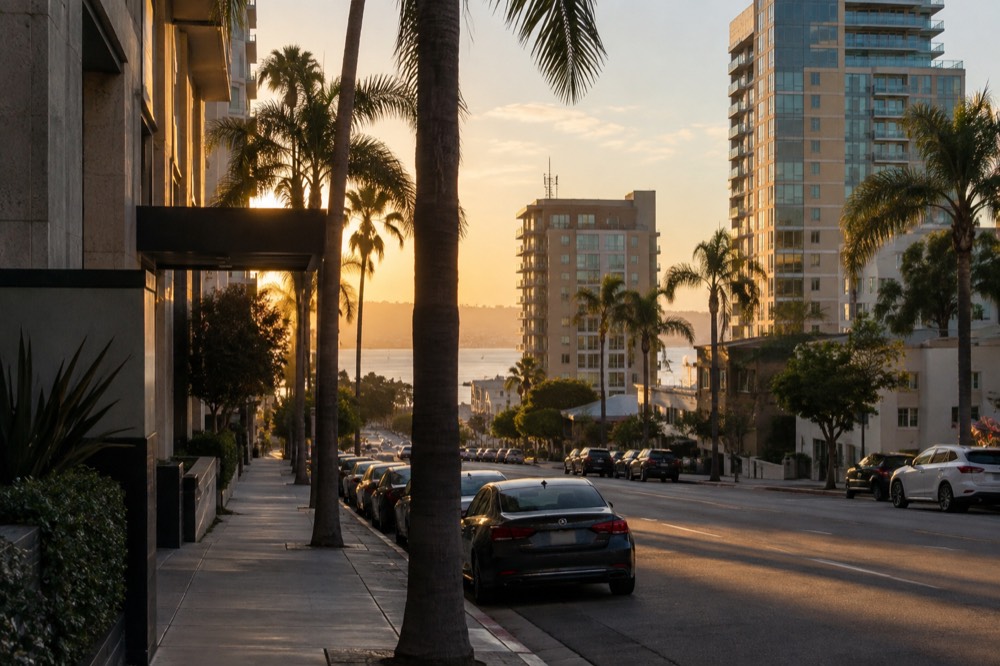
The same skepticism should apply to any app or map that promises "free parking near the beach." Those datasets age badly, and a San Diego parking ticket is a bad souvenir. The city's parking FAQ is the page to trust, and it is the page this guide's enforcement figures come from.
How Does Beach Parking Actually Work?
The honest answer is that no published rate table exists for San Diego's beach lots. Mission Beach, Ocean Beach, La Jolla and Coronado are street-and-lot parking that is free to park in and very hard to find in summer. Any guide quoting a specific beach parking price is inventing it, because neither the city nor Coronado publishes one.
That is an unusual thing for a parking guide to admit, but it is the verified truth and this site would rather tell you that than make up a number. What we can say from the city's own material: the beach regulations page lists its per-beach amenities and prohibitions, the lifeguard service staffs nine permanent oceanfront stations along roughly 24 miles of coast, and alcohol is prohibited on all city beaches, boardwalks and parks, which is relevant because a beach parking spot is not a tailgate spot. The rest of the planning pages sit on Things to Do in San Diego.
The strategy that actually works, in order:
- Arrive before 10:00 am in summer, or after 5:00 pm for sunset.
- In Mission Beach and Pacific Beach, target the residential blocks a few streets back from the boardwalk rather than the beachfront lots.
- In La Jolla, accept that the Cove and the Shores fill first, and look at the uphill residential streets, minding permit zones.
- In Coronado, the side streets west of Orange Avenue are the locals' fallback, and the ferry is the genuinely smart alternative.
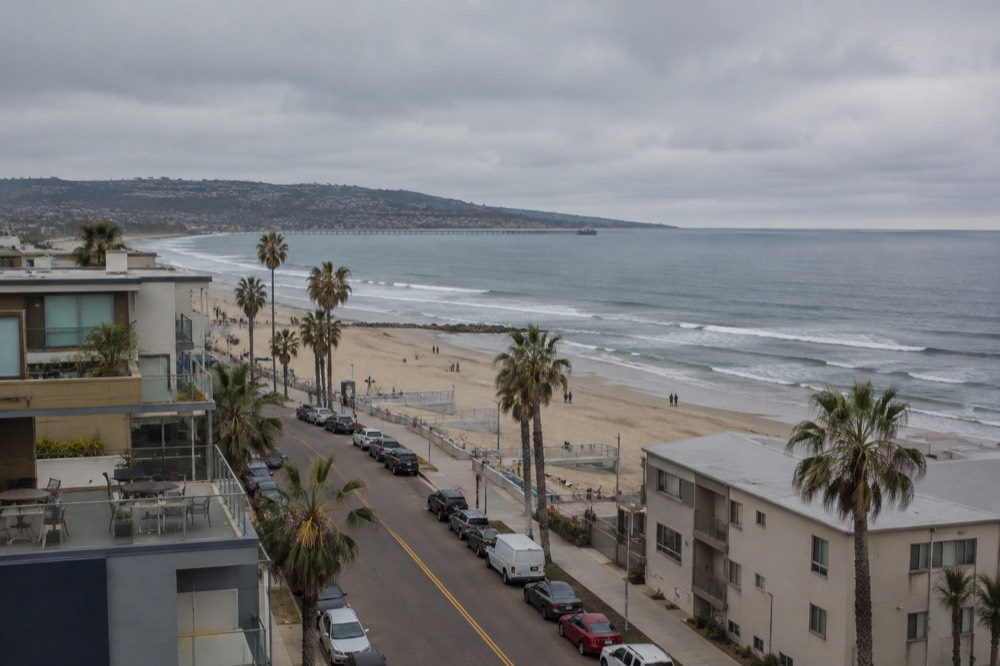
Our best beaches in San Diego guide breaks down which beach suits which day, and the Coronado Beach and La Jolla pages go deeper on their specific neighborhoods. The one universal rule: never block a driveway, even partially, in a beach neighborhood. The towing fees are real and the residents have no patience left in August.
Can You Skip Parking Altogether?
Yes, and for downtown-focused trips it is often the better plan. The MTS Trolley and buses cost $2.50 one-way or $6.00 for a day pass, and the PRONTO fare system caps automatically, so you never need to buy a day pass up front. Route 992 runs from the airport to downtown every 15 minutes, and the San Diego Flyer shuttle is free from the airport to Old Town.
The PRONTO detail is the one most visitors miss, and it saves money on day one. You load a card or the app, pay as you go, and once your individual rides total the day-pass value the system stops charging you. It is fare capping, the fare chart literally reads "Day Pass Earned," and it means the $6 day pass is never worth buying in advance because you cannot lose. Reduced fares, $1.25 one-way and $3.00 for the day pass, apply to seniors 65 and over, disabled riders, Medicare cardholders and youth with ID, and riders 18 and under travel free entirely.
| Fare | Adult | Reduced |
|---|---|---|
| One-way, bus or Trolley, with 2-hour transfers | $2.50 | $1.25 |
| Day Pass | $6.00 | $3.00 |
| Premium services, one-way | $5.00 |
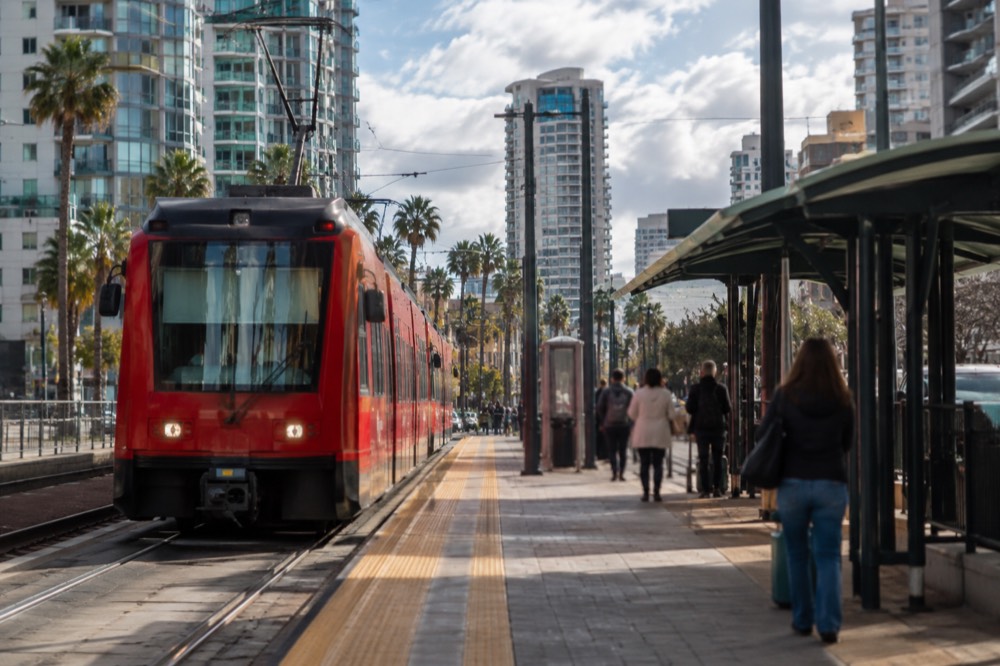
The Blue Line is the spine of the system, running from San Ysidro at the Mexican border north through downtown to UC San Diego, with a published end-to-end time of 1 hour 23 minutes. There is no Trolley station at the airport, which is the fact that trips up the most arrivals: Route 992 is the bridge, running every 15 minutes from about 4:30 am to 1:00 am, stopping at both terminals and ending at Broadway and Kettner, where the Trolley interchange sits. The free San Diego Flyer shuttle runs to Old Town Transit Center roughly every 20 to 30 minutes. Our getting around San Diego guide has the full network breakdown.
Once you are downtown without a car, the narrated trolley tour is the way most visitors see the spread-out sights, and it is the tour this guide recommends most for a parking-averse trip: two days of hop-on hop-off transport with commentary, connecting the Embarcadero, Balboa Park, Old Town and Coronado without a single kiosk.
For something more active, the guided e-bike tour of Balboa Park and the Gaslamp Quarter covers the same central territory on two wheels, two and a half hours with a guide, and it fits the car-free plan perfectly because it starts from the downtown core. You trade the tram and the Trolley for pedal assist, which on San Diego's mostly flat downtown grid is easier than it sounds, and you still end the day having spent nothing on parking.
What Parking Mistakes Cost Visitors the Most Money?
The expensive mistakes are predictable: parking at a two-hour meter for a four-hour museum visit, paying the Zoo's $16 twice by leaving and returning, feeding a downtown meter on Sunday because a blog said it was free, and renting a car for a downtown-only trip. Each one is avoidable with a decision made the night before, not in the driver's seat.
The pattern behind all four is the same: making the parking choice at the curb, tired, with a car full of people. The visitors who spend the least on parking in San Diego are the ones who decided before the trip which days needed a car at all. For a downtown-and-Balboa-Park itinerary, the answer is usually zero car days, with the Trolley, the free waterfront walk and a tour ticket covering the distance.
For the days that genuinely need wheels, the day-trip guides are where a car earns its keep: Julian, Anza-Borrego and Temecula are not Trolley territory, and the Julian guide and Anza-Borrego guide both assume you drove. That is the honest split. A car for the mountains and wine country, transit for everything downtown, and the parking budget shrinks to two or three paid days instead of seven.
There is also a free option most visitors never hear about: San Diego has pay-what-you-want walking tours listed on GuruWalk, including a two-and-a-half-hour historic downtown and waterfront walk that covers exactly the ground a first-time visitor would otherwise drive between. The Embarcadero stroll with a downtown local runs about 90 minutes. These are genuinely free to join, you tip the guide what you think it was worth, and they are booked through GuruWalk rather than through this site.
How Should You Plan Parking for a Specific San Diego Itinerary?
Match the parking to the day, not to the trip. Downtown and Balboa Park days can be transit or single-lot days, beach days are early-arrival days, Zoo days carry a flat $16 on top of tickets, and day trips inland are the only days a rental car is clearly the right call. Deciding this per day, the night before, is the whole strategy.
For a one-day downtown visit, park once near the Embarcadero or your hotel and walk or ride the Trolley for everything else; the one day in San Diego itinerary is built on exactly that assumption. For a family trip, the San Diego with kids itinerary leans on the Zoo, the Safari Park and the beach towns, so budget the vehicle fees up front rather than discovering them at the gate.
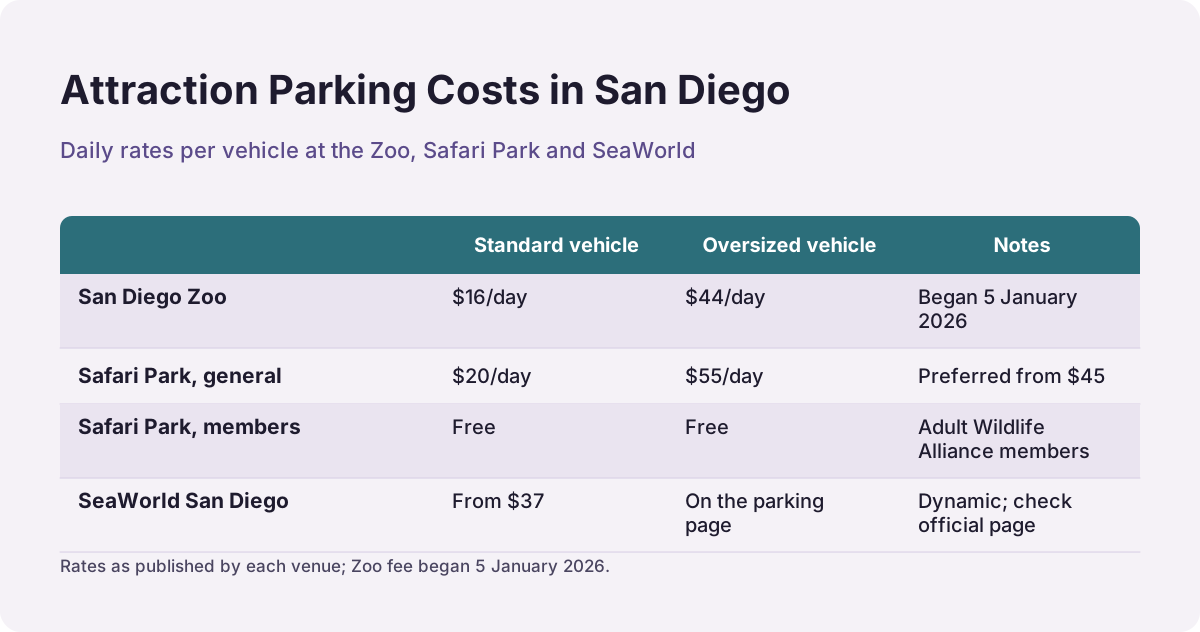
The chart above is the whole argument in one image: four attraction parking fees stacked against a $6 transit day pass. A family of four parking at the Zoo and SeaWorld on consecutive days pays more in parking than two adults would spend on a week of Trolley rides. That is not an argument against the Zoo, it is an argument for counting parking as a line item when you price the trip, which our San Diego trip cost guide does in full.
Whichever way the math lands for your trip, the three options below are the ones worth booking before you drive anywhere: the trolley for a car-free base, the GoCar for a self-guided loop, and the Midway ticket for the one waterfront attraction where buying ahead saves you the booth line.
Common Questions About Parking in San Diego
How much is parking in downtown San Diego?
Downtown meters cost $2.50 per hour, enforced Monday to Saturday, generally 8:00 am to 6:00 pm, with the Hospitality Zone and some other zones running to 8:00 pm. Sunday is no longer free in commercial areas of Downtown, Uptown, Mid-City and Pacific Beach. Time limits vary by zone, commonly 2 to 4 hours, and posted signs always win.
Is parking free at Balboa Park?
Paid parking is live now: non-residents pay $10 a day in general lots and $16 in premium lots, and San Diego residents pay less after registering online in advance. City Council has approved removing paid parking entirely on 1 January 2027, so the answer depends on your travel date. The free park tram runs 8:00 am to 8:00 pm from the outer lots.
Does the San Diego Zoo charge for parking?
Yes. Zoo parking is $16 per vehicle per day, $44 for oversized vehicles, a fee that began on 5 January 2026. It is managed by ACE Parking, first come first served, with no reservation system.
Is Sunday parking free in San Diego?
Not reliably. Under the city's 2025-26 reforms, Sunday meter enforcement was extended into commercial areas of Downtown, Uptown, Mid-City and Pacific Beach. Residential streets outside the commercial zones are generally unmetered, but the sign at each space is the only rule that counts.
Can you get around San Diego without a car?
Yes, for downtown-focused trips. The Trolley and MTS buses cost $2.50 one-way, the PRONTO system caps fares so a day pass is earned automatically, Route 992 links the airport to downtown every 15 minutes, and the San Diego Flyer shuttle is free to Old Town. A rental car only clearly pays for itself on inland day trips like Julian, Anza-Borrego or Temecula.
How much is beach parking in San Diego?
There is no published rate table for the beach lots, and any specific price you read is a guess. Mission Beach, Ocean Beach, La Jolla and Coronado are free street-and-lot parking that is very hard to find in summer. Arrive before 10:00 am or after 5:00 pm, and never block a driveway.