San Diego to Ensenada and Rosarito: The Complete Day Trip Guide
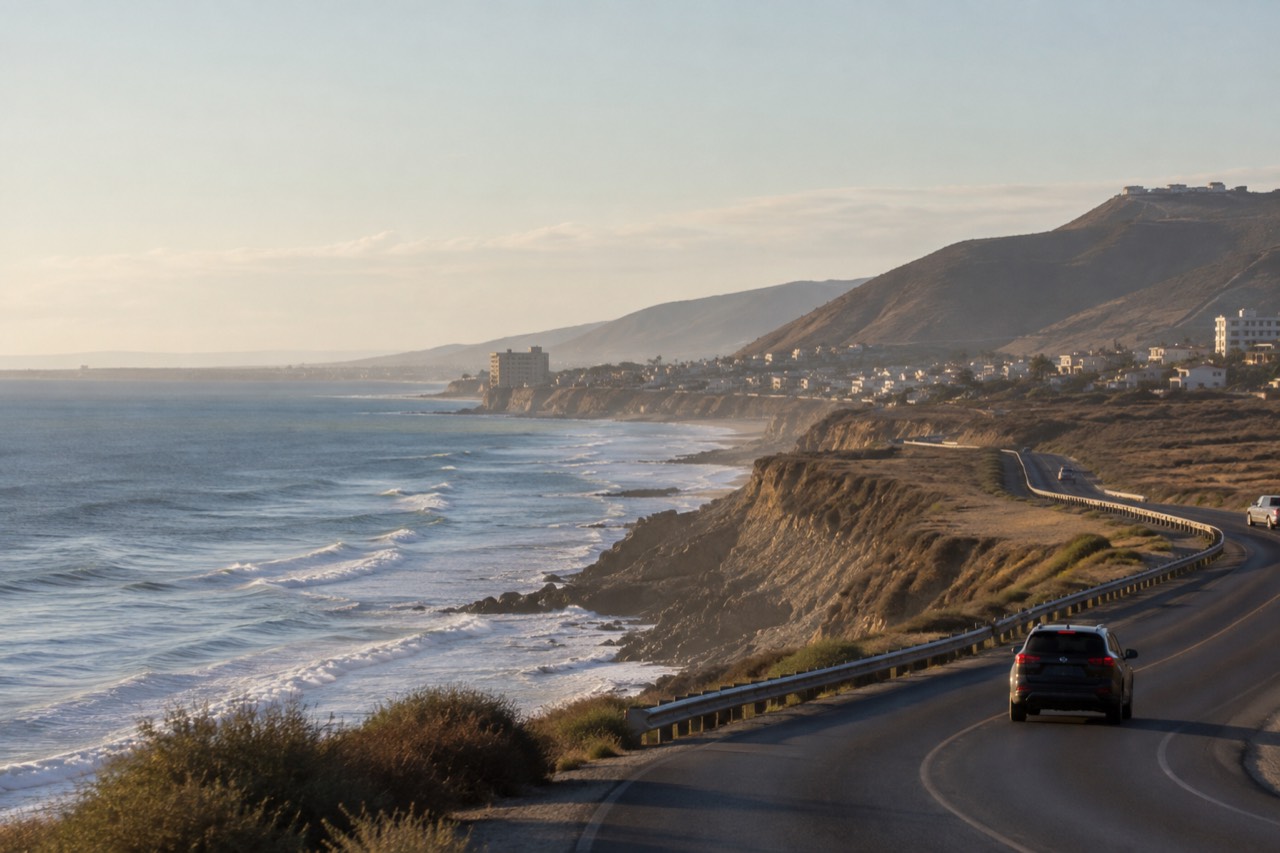
Ensenada and Rosarito sit on the Baja coast south of the border, close enough for a day trip from San Diego but far enough south to feel like a different country. The planning work is almost entirely about the border crossing at San Ysidro, the busiest land crossing in the western hemisphere.
Short answer
Ensenada and Rosarito are reachable from San Diego in a day, either on a guided tour, a rental car, or a mix of the San Diego Trolley and Mexican transport. US citizens need a passport or passport card to re-enter; ESTA visitors need approved ESTA before land entry. Check live CBP wait times before you cross.
Ensenada is the biggest city on the Baja California coast, and Rosarito is the beach town you pass on the way there. Both sit south of the US-Mexico border, and both are close enough to San Diego that a day trip is a normal Saturday plan for locals and a popular add-on for visitors. The catch is that every route runs through San Ysidro, the busiest land border crossing in the western hemisphere, and the difference between a relaxed day and a stressful one is almost entirely about documents, timing and which lane you walk through.
This guide walks through the whole decision: what papers you need, whether to drive or take a tour, what each town offers, and how to plan the crossing itself. The short version is that the trip is very doable, the paperwork is stricter than many people expect, and the single best thing you can do is check the live wait-time feed before you head to the border rather than guessing at a "usual" wait, because no official typical-wait table exists and the numbers swing hard by hour and by day.
How Do You Get from San Diego to Ensenada?
You have three realistic options: a guided day trip that handles the border for you, a rental car driven south through Tijuana and Rosarito on the coastal road, or a mix of the San Diego Trolley to the border and Mexican transport beyond it. There is no Trolley or US transit service past San Ysidro, so once you are on foot in Mexico you are choosing between buses, taxis and tours. Each option trades cost against control.
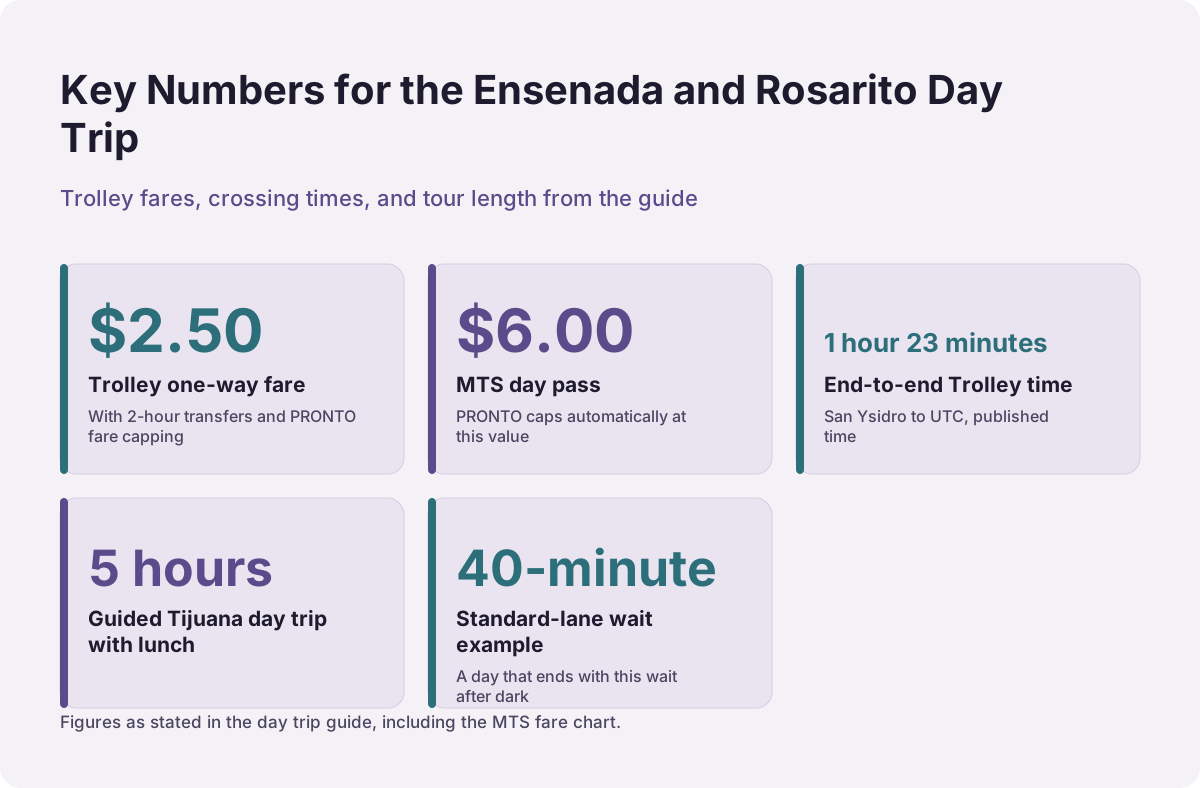
The geography is simple once you see it laid out. San Ysidro sits at the southern end of the Blue Line Trolley, which runs from downtown San Diego all the way to the border. The published end-to-end Trolley time from San Ysidro to UTC in the north is 1 hour 23 minutes, so the border is comfortably under an hour from downtown. South of the crossing, Tijuana is the first city, Rosarito is the beach town further down the coast, and Ensenada is the large port at the end of the run. The coastal road threads all three together, which is why most itineraries pair Rosarito and Ensenada rather than treating them as separate trips.
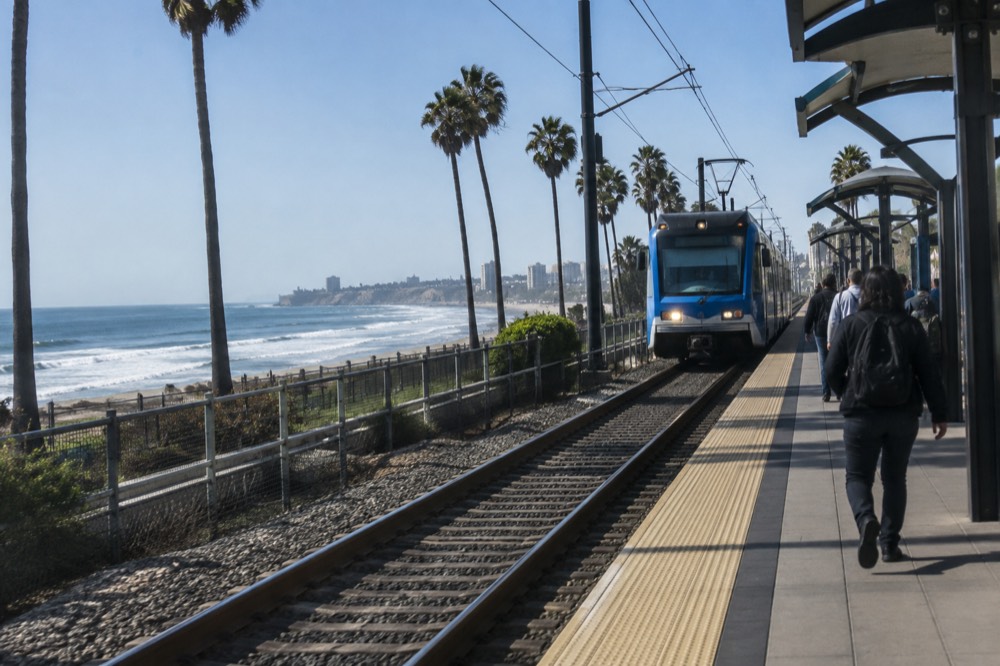
The Trolley is the cheap spine of the whole plan. The MTS fare chart shows $2.50 one-way with 2-hour transfers and a $6.00 day pass, and the PRONTO fare system caps automatically: once your rides in a day total the day-pass value, the rest of the day is free, so there is no reason to buy a day pass up front. Load money on the PRONTO app or a $2 physical card and ride. Youth 18 and under ride free, and up to two children aged 5 and under travel free with a paying adult. If you are staying downtown or anywhere near a Blue Line station, this is the cheapest way to reach the border without parking a car at it.
Driving is the flexible option and the one most people overestimate. A rental car gives you the run of the coast, the freedom to stop in Rosarito for lunch and push on to Ensenada, and no dependence on tour schedules. The trade-offs are Mexican insurance, which US policies typically do not cover, the drive through Tijuano traffic, and the crossing itself: driving lanes back into the US generally move slower than the pedestrian lanes, and you cannot switch to walking once your car is in the queue. Our Tijuana day trip guide covers the crossing logistics in more detail if you are weighing the same decision for a shorter trip.
A guided tour removes almost all of the friction. The border paperwork, the transport and the timing are handled by an operator, and you spend the day looking out the window instead of watching a queue. The trade is cost and a fixed schedule, and for a first crossing it is a reasonable one. The roster of tours leaving from San Diego is wider than most visitors expect, and the selection below is a fair cross-section of what a day out of the city can look like.
What Documents Do You Need to Cross the Border at San Ysidro?
US citizens need a passport book, passport card, enhanced driver's license from a participating state, or a Trusted Traveler card such as SENTRI, NEXUS or Global Entry to re-enter the US by land, per the Western Hemisphere Travel Initiative. Visa Waiver visitors need a valid approved ESTA before land entry, a requirement at land borders since October 2022. Children need their own documents. Getting this wrong is the single most common way a Baja day trip collapses, so sort the paperwork before anything else.
The document rules are federal and they apply to the return, not the walk into Mexico. Walking south into Tijuana is generally quick; it is the US side checking you coming home that wants the paperwork. US citizens can re-enter on any of the WHTI documents listed above, and the CBP's Western Hemisphere Travel Initiative page is the authoritative source. A standard driver's license alone does not satisfy the requirement for land re-entry, a detail that catches day-trippers who assumed a license was enough because it works at airport checkpoints for domestic flights.
Non-US visitors have an extra layer. If you entered the United States on the Visa Waiver Program, you need a valid approved ESTA before land entry, a rule that has applied at land borders since October 2022. The good news is that a short trip to Mexico does not by itself invalidate an ESTA. Separately, automatic revalidation lets certain nonimmigrant visa holders re-enter the US on an expired visa after a trip of under 30 days to Mexico or Canada, provided the I-94 is still valid and other conditions are met; the CBP's I-94 page spells out those conditions. If any of this describes you, read the official page before you go, not at the fence.
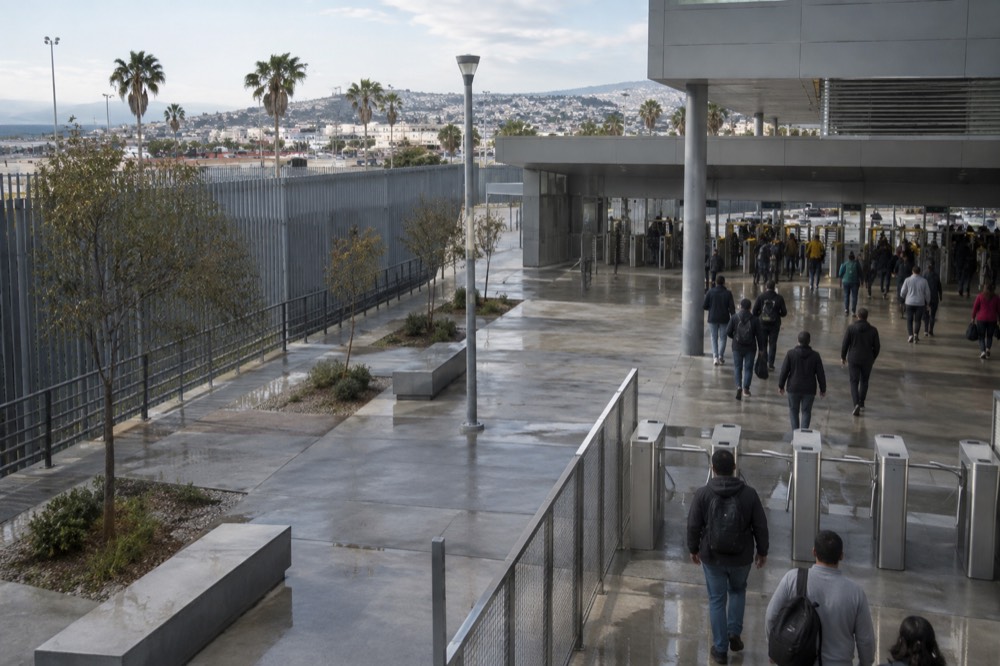
The crossing itself has two pedestrian gates and they behave very differently. PedEast, the main pedestrian crossing, is open 24 hours a day, 7 days a week. PedWest runs limited hours, 6:00 am to 2:00 pm Pacific, Monday to Friday only. If your plan has you walking back in the evening or on a weekend, PedEast is your gate, full stop. The Ready Lane is the speed play: it is a dedicated lane for travelers carrying an RFID-enabled document, meaning a US passport card, a SENTRI, NEXUS or Global Entry card, a post-2008 Border Crossing Card, or a Permanent Resident Card. It uses kiosks to pre-read the document, and it is meaningfully faster. On one test morning at 6:00 am the San Ysidro pedestrian Ready Lane was 5 minutes against 40 minutes in the standard lane.
Here is the part no competing guide will tell you, because the data does not exist: there is no official historical table of typical San Ysidro waits by hour or weekday. CBP publishes current and recent averages only. Any source quoting you a "usual" wait is guessing. What you can do is check the live feed: CBP publishes live border wait times hourly at bwt.cbp.gov and in the Border Wait Times app, and this site treats that feed as the only honest answer to "how long will it take." Check it the night before, check it again with your coffee, and let it pick your crossing hour for you.
| Traveler type | Document required to re-enter the US by land | Notes |
|---|---|---|
| US citizen | Passport book, passport card, enhanced driver's license (participating state), or SENTRI/NEXUS/Global Entry card | Standard driver's license alone is not sufficient |
| Visa Waiver (ESTA) visitor | Valid approved ESTA | Required at land borders since October 2022; a short Mexico trip does not invalidate it |
| Certain nonimmigrant visa holders | Valid I-94; expired visa may qualify under automatic revalidation | Trip must be under 30 days; conditions on the CBP I-94 page |
| Children | Their own WHTI document | A parent's document does not cover a child |
Should You Drive, Take a Tour, or Use the Trolley and Walk Across?
Walk across with the Trolley if you are budget-driven or joining transport on the Mexican side; drive if you want full control of the coast road and are comfortable with Mexican insurance and border car queues; take a guided tour if you want the crossing, transport and timing handled in one booking. The Trolley fare is $2.50 one-way with PRONTO fare capping, and the expensive mistake is driving when you did not need to.
Let us be concrete about the walking option, because it is underrated. The Blue Line drops you at San Ysidro, PedEast is right there, and once you are through into Tijuana you are in a city with plentiful buses and taxis running south toward Rosarito and Ensenada. This is the cheapest version of the trip by a wide margin: a couple of Trolley fares each way and whatever you spend south of the line. The catch is time and comfort. Local transport along the coast is slow and requires some Spanish or a good translation app, and hauling a family through it after a full day is a different trip than doing it solo.
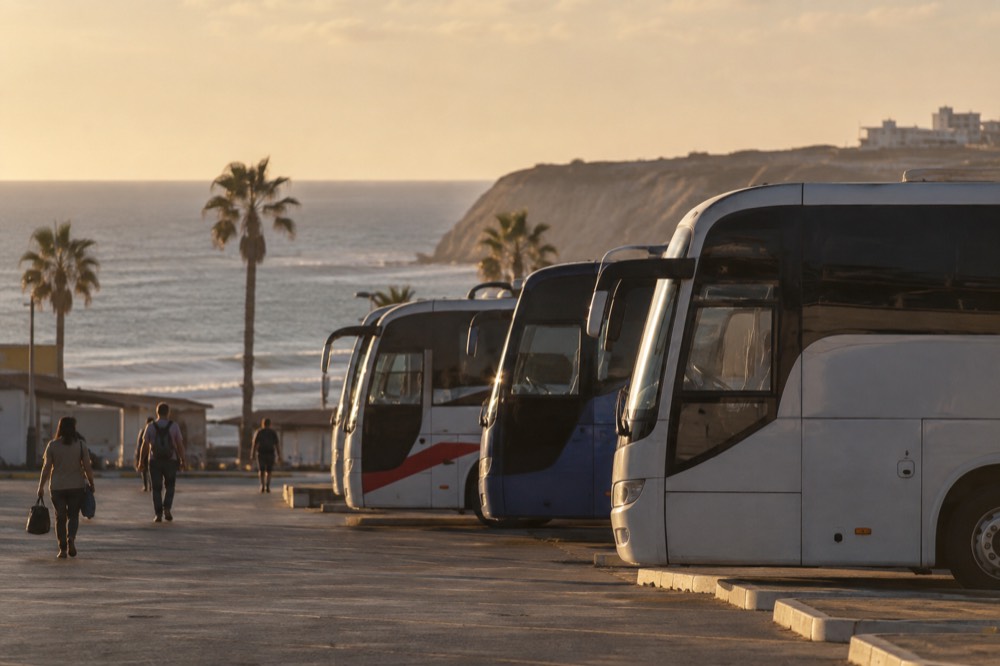
The guided day trip is the middle path and the one we would point most first-time visitors toward. The Tijuana day trip with lunch runs 5 hours, covers the crossing and the transport, and puts a guide between you and every logistical decision. It is built for Tijuana rather than Ensenada, so read it as the template: if you want the same handled logistics pushed further down the coast, operators run full-coast versions, and the 5-hour Tijuana format is the one to compare them against. For a deeper look at the border city itself, see our Tijuana guide.
The comparison worth making before you book is not tour against tour but tour against self-management. The 5-hour Tijuana format tells you what a guided border day costs in time; your own plan tells you what it costs in effort. If reading the ESTA rules, watching the live feed and negotiating a taxi sounds like part of the adventure, go independent. If it sounds like homework, the guided version earns its price.
Driving deserves a honest paragraph rather than a scare paragraph. People drive this coast every day without incident, and the road is the main artery of northern Baja. But three things genuinely change the calculation. Mexican law requires insurance that most US policies do not provide, so you are buying a separate policy. The drive through and around Tijuana is urban and busy. And on the return, vehicle inspection lanes at San Ysidro are their own queue, separate from the pedestrian flow, and you are committed to it once you are in it. If you drive, cross back late morning or very early morning rather than mid-afternoon, and check the live feed for vehicle lanes, not pedestrian ones, because they are different numbers.
One more angle worth naming: if what you actually want is "a day out of San Diego with a guide," the border is optional. The same energy that makes Baja appealing makes other day trips appealing, and some of them need no paperwork at all. Our Joshua Tree day trip guide covers the desert option in the other direction, and the Temecula wine country guide covers the wine version without a crossing. Baja wine country in the Valle de Guadalupe, inland from Ensenada, is the direct rival to Temecula, and if wine is the point of your day, that comparison is worth making before you commit to a border run.
| Option | Best for | Main cost | Main friction |
|---|---|---|---|
| Trolley + walk across | Budget travelers, solo travelers, flexible schedules | $2.50 Trolley fare each way | Slow local transport south of the border |
| Rental car | Families, photographers, multi-stop coastal days | Car, fuel, Mexican insurance | Vehicle queue on return; urban Tijuana driving |
| Guided day trip | First-time crossers, anyone who wants zero logistics | Tour price | Fixed schedule; less freedom to linger |
What Is There to Do in Rosarito?
Rosarito is a beach town built for a long lunch, a walk on the sand and a look at the Pacific, and it works best as a stop rather than a destination: most itineraries give it a couple of hours on the way to or from Ensenada. The town's identity is its waterfront, its restaurants and its crafts, and the honest advice is to arrive hungry, eat near the water, and keep the day moving south.
Rosarito's practical role in a day trip is the pause. Coming out of Tijuana you have earned a break, and the town delivers one without requiring navigation or planning. The beachfront is the main event; restaurants line it; the stretch between them is walkable. Food is the reason most people stop, and the coast here is a seafood coast: fish tacos, ceviche and the Baja-style plates that made the region's name. Our best fish tacos in San Diego guide is about the home side of the border, but the style traveled from here, and tasting it at the source is half the point of the drive.
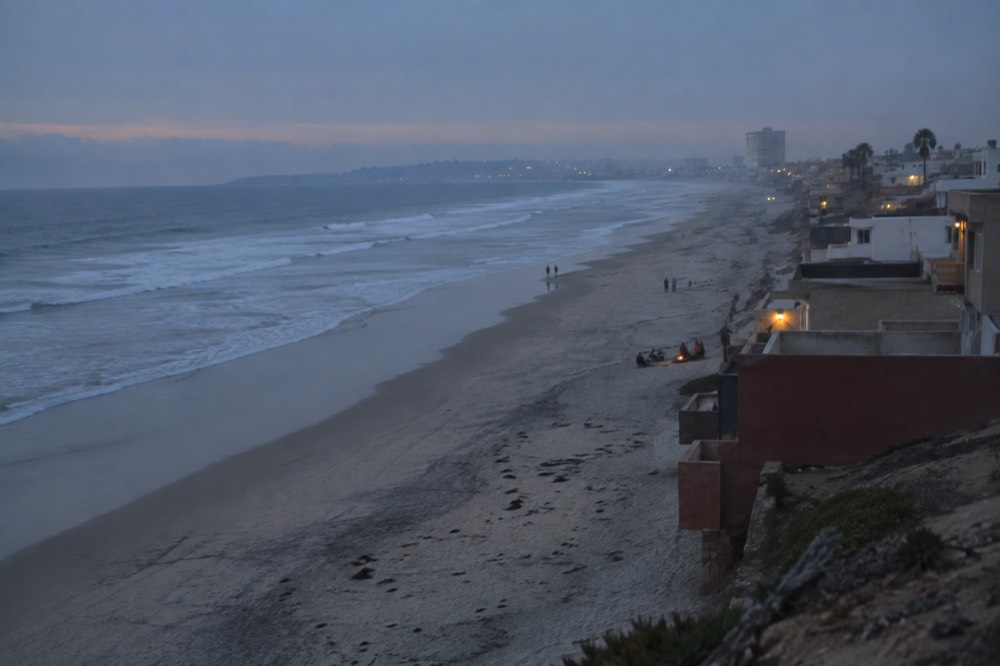
Shopping is the other Rosarito activity, and it is more interesting than the word suggests. The town has a crafts tradition that goes well beyond souvenir stands, with furniture and woodwork drawing buyers up from San Diego for decades. If you are driving, the trunk space question is real; if you are on a tour, treat the shops as a browse rather than a haul. Time-wise, Rosarito rewards a slow middle of the day: arrive for lunch, leave by mid-afternoon, and you will still have daylight for Ensenada.
The one thing to plan around is the return crossing, and it applies to Rosarito more than Ensenada because Rosarito tempts you to linger. Whatever your transport, work backwards from the border. The live CBP feed gives you the current pedestrian and vehicle waits, and the pedestrian Ready Lane moves fast if you hold an RFID document. A day that ends with a 40-minute standard-lane wait after dark is a different memory than the one you planned, so set a leaving time and keep it.
What Is There to Do in Ensenada?
Ensenada is a working port city with a large waterfront, a famous market, a wine country inland and the biggest food scene on this stretch of coast, and it earns the "destination" label that Rosarito does not claim. The signature stops are the harbor and malecon, the fish market, and the Valle de Guadalupe wine region just inland, though the valley is realistically its own full day. Give Ensenada the majority of your hours.
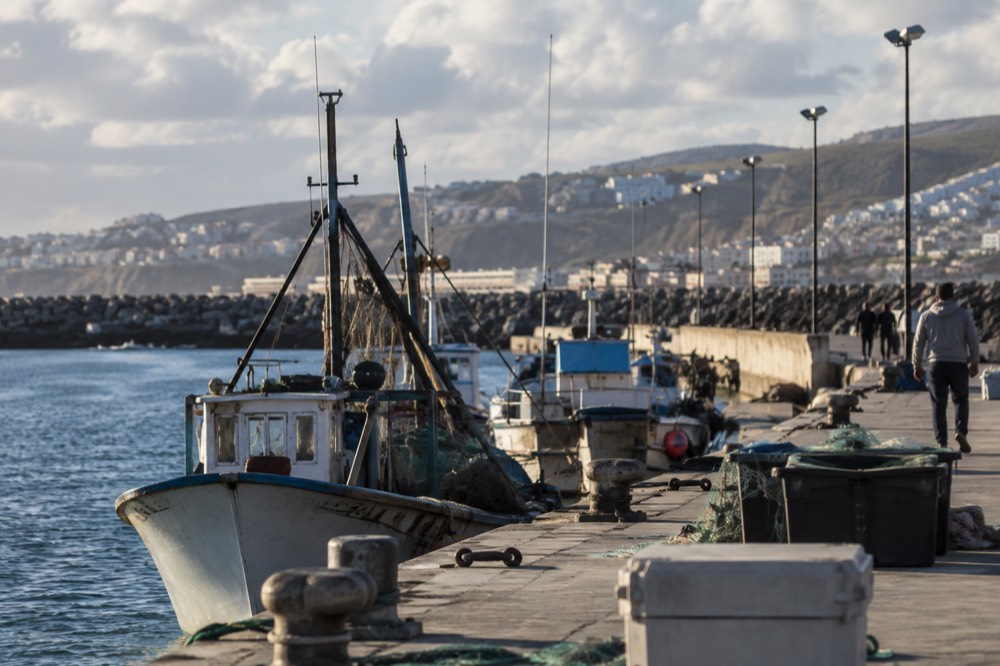
Start at the water. Ensenada's harbor is a genuine cruise port, and the waterfront promenade is the city's front room: walkable, photogenic and lined with the vendors and food stalls that make the city's reputation. The fish market is the stop most guides agree on, a working market where the day's catch is sold steps from the boats, and eating there is the most Ensenada thing you can do in an hour. Between the market and the malecon you have the core of a visit without needing a single reservation.
The wine is the big decision. The Valle de Guadalupe sits inland from Ensenada and it is Baja's wine region, the reason many travelers make this run at all. Doing it properly wants a full day: tastings, lunch in the valley, and no rush back to a border queue. If your day trip only has room for the coast, save the valley for a second trip and note that there is a private wine tasting tour from San Diego to the Guadalupe Valley, a 10-hour format that treats the valley as the whole point of the day. That is the honest scope of Baja wine: it is not a stop on the Ensenada tour, it is the tour.
For a comparison that stays inside the US, the Temecula 3-winery tour with tastings and lunch runs 5 hours and covers the same shape of day, tastings at three wineries plus lunch, without a border in either direction. Some travelers do both and report they are different animals: Temecula is the easy one, the valley is the adventure. If you are choosing between them, our Temecula wine country guide lays out the home-team option in full.
Beyond food and wine, Ensenada's remaining card is scale. It is a real city, so it has the things real cities have: a cultural center, museums, and neighborhoods worth walking if the harbor has worn thin. La Bufadora, the blowhole on the coast south of town, is the classic half-day excursion and a favorite of tour itineraries. Realistically, on a single day from San Diego you will pick two or three of these and skip the rest, and that is the correct way to do it. Ensenada rewards a short list done well.
| Stop | What it is | Realistic time | Notes |
|---|---|---|---|
| Harbor and malecon | Waterfront promenade, boats, vendors | 1-2 hours | The city's front room; no tickets needed |
| Fish market | Working market selling the day's catch | 45-60 minutes | Eat where the boats land |
| Valle de Guadalupe | Baja's wine region, inland | Full day | Realistically its own trip; 10-hour tours exist |
| La Bufadora | Ocean blowhole south of town | Half day with transport | Classic tour excursion |
| Rosarito lunch stop | Beachfront restaurants on the drive | 1-2 hours | Cut this first if the day runs late |
Is It Safe to Do a Day Trip to Ensenada and Rosarito?
Millions of crossings happen at San Ysidro every year and the tourist corridor between the border, Rosarito and Ensenada is the most traveled stretch of the northern Baja coast; the practical risks are ordinary travel risks, traffic, sun, and a border queue, rather than anything specific to the route. The standard advice applies: travel daylight hours, keep documents on your body, use main roads, and save the live CBP feed link before you cross.
Honesty first: no guide can promise safety anywhere, and we will not. What can be said plainly is that the Rosarito-Ensenada corridor is the main tourist artery of northern Baja, heavily dependent on visitor traffic, and that the day-trip pattern, arrive morning, daylight hours, main roads, back by evening, is the pattern the region is built around. Common-sense rules that apply in any unfamiliar city apply here: do not leave valuables visible in a parked car, keep your passport on your person, agree taxi fares before you get in, and keep your phone charged.
The border is the part people worry about and the part that is actually the most organized. San Ysidro processes an enormous volume of pedestrians daily, the crossing is well-signed in both directions, and the US side is a federal facility with uniformed officers throughout. The genuine safety-adjacent issue is timing: crossing back very late at night, tired, with a group, is where mistakes happen, usually logistical ones like missing the last transport connection on the San Diego side. The Trolley runs late but not all night, so know your last train before you linger for one more taco. For the home side of the question, our is San Diego safe guide covers the city you are returning to.
Two practical notes worth their own paragraph. One: [travel insurance](https://insubuy.tpk.ro/qBidyABg) and document copies. A photo of your passport on your phone is not a valid entry document, but it is a lifesaver at a police station or a consulate if the paper goes missing; carry the photo and the paper. Two: the ESTA and automatic revalidation rules from earlier in this guide are safety issues in the sense that being turned back at the border is the worst outcome a day trip can have. Re-read the document table before you leave the hotel, not at the turnstile.
How Much Time Do You Need, and When Is the Best Time of Year to Go?
Give the trip a full day, leaving San Diego by mid-morning at the latest, and pick your season by weather rather than by instinct: September is statistically San Diego's warmest month with a normal high of 77.2F and the ocean at its warmest of the year at 68.7F in August, while May and June run cooler on the coast thanks to the marine layer. Winter days are mild, in the mid-60s, and rain is concentrated in December through March.
The seasonal logic runs on the climate normals. San Diego's warmest normal highs are August at 77.3F and September at 77.2F, both above July's 75.3F, and the ocean follows: the monthly mean sea-surface temperature at La Jolla peaks at 68.7F in August and holds 67.6F in September, against 66.5F in July. September is also the quietest month at Cabrillo National Monument across recent years, a gap of roughly 48 percent against July visitation, which tells you something about crowds on the whole coast. If you want warm water and thin crowds, September is the insider month, and the pattern holds on both sides of the border because the marine layer that cools the coast does not stop at the fence.
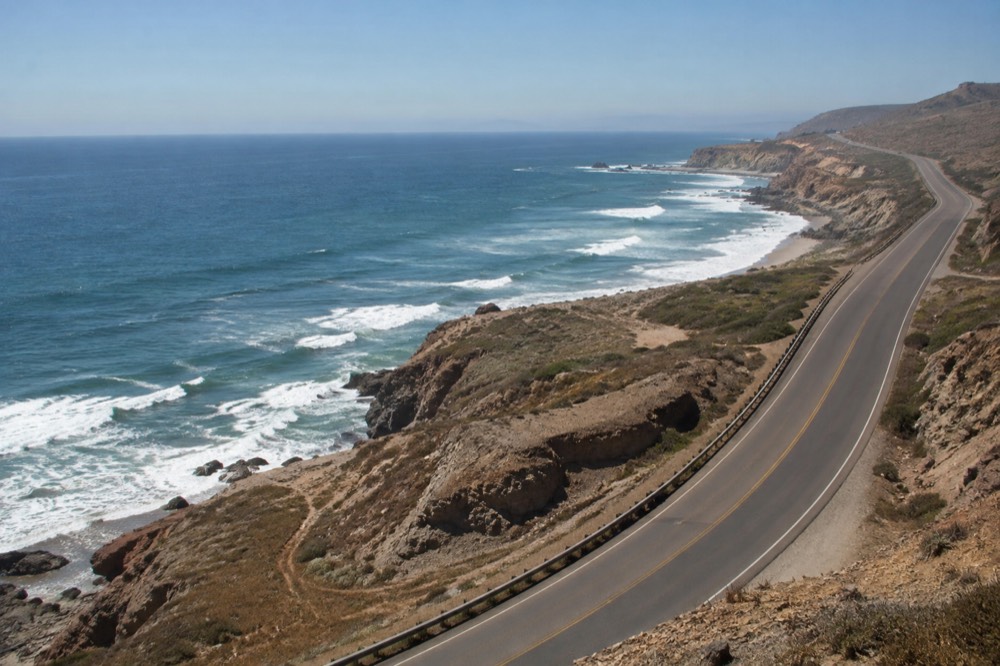
The counterintuitive part is May and June. The marine layer that locals call May Gray and June Gloom is visible in the 30-year temperature normals themselves: June's normal high of 71.7F is lower than October's 74.6F. The coast is grey and cool in early summer while inland stays clear, and a beach day in Rosarito in June can be a grey, mild day rather than the postcard. It does not ruin a trip built around food and the harbor, but if the plan is swimming and sunbathing, aim for August through October. Our San Diego weather and best time to visit guide has the full month-by-month breakdown.
Time of day matters as much as time of year. The pattern that works for most day-trippers is an early start, a mid-morning crossing southbound when the return direction is quiet, and a return crossing timed off the live feed rather than off a guess. Mid-afternoon is the period everyone warns about because that is when day-trippers and commuters converge on the northbound side. If you are on a guided tour the operator owns this decision and generally gets it right; if you are independent, the feed is your friend. Build the day backwards from the crossing you want, not forwards from the alarm clock.
| Month | Normal high in San Diego | Ocean temp at La Jolla | Read for the coast trip |
|---|---|---|---|
| May | 69.5F | 63.4F | Marine layer; grey mornings, mild afternoons |
| June | 71.7F | 64.0F | Gloomiest month relative to expectations; food days over beach days |
| July | 75.3F | 66.5F | Peak crowds on both sides of the border |
| August | 77.3F | 68.7F | Warmest air and warmest ocean of the year |
| September | 77.2F | 67.6F | Warmest-shoulder insider month: heat without July's crowds |
| October | 74.6F | 64.0F | Warmer than June by the normals; clear and quiet |
What Does a San Diego to Ensenada Day Trip Cost?
The firm costs are small and knowable: the Trolley is $2.50 one-way per adult with PRONTO capping your day at $6.00, and reduced fares exist for seniors 65+, disabled riders, Medicare cardholders and youth with ID at $1.25 one-way. Everything south of the border varies: tour prices live on the operator's listing, Mexican transport and food are generally cheaper than their San Diego equivalents, and the surprises are the optional costs.
Build the budget in layers. The San Diego layer is the Trolley or parking; the Trolley fare chart is published and the PRONTO cap means a family of adults cannot overspend on transit in a day, at $6.00 each worst case. Parking downtown meters run $2.50 per hour with enforcement generally Monday to Saturday, 8:00 am to 6:00 pm, and Sunday is no longer free everywhere since enforcement was extended into commercial areas, so check the posted signs rather than assuming. Our parking in San Diego guide covers the whole city if you are weighing a car against the Trolley.
The tour layer is a single number on the operator's live listing, and we deliberately do not print tour prices here because they move with dates and demand. What you can compare structurally: the Tijuana day trip with lunch is a 5-hour format that includes the meal, the private Guadalupe Valley wine tour is a 10-hour format built around tastings, and the hop-on hop-off trolley is a 2-day San Diego product rather than a Baja one at all, useful for the days you stay in the city. If your trip is several days long, pairing a Baja day with a couple of San Diego sightseeing days is the common pattern, and a 2-day trolley pass is the standard tool for the home half. Our getting around San Diego guide has the full transport picture.
The Mexico layer is where the day gets cheap or expensive by choice. Street food and market meals run well below San Diego prices; sit-down seafood on the Rosarito waterfront costs more; wine tastings in the valley are their own line item. None of these have a published rate table we can point you at, so treat any number you read on another site, including a specific taco price, as a snapshot rather than a fact. The honest budget advice is the same as for the crossing: know the fixed costs, keep the optional ones optional, and check the live listing for the tour price on your actual date.
If you are stretching a multi-day San Diego trip across several day-trip options, the same budget logic ranks them: the Tijuana trip is the shortest and cheapest guided border day, the Guadalupe Valley tour is the longest and most premium, and the domestic alternatives, Temecula, Julian, Joshua Tree, need no insurance, no ESTA and no border time at all. The cheap things to do in San Diego guide and the San Diego trip cost guide cover the home-city side of the ledger in detail.
Whatever shape your San Diego week takes, a Baja coast day is the one that needs the most planning and delivers the most contrast for it. The crossing is the whole game: documents sorted, lanes understood, live wait times checked, and the rest of the day is a coastal drive and a very good lunch. This article is part of the day-trip collection at Things to Do in San Diego, where the domestic options, Julian, Anza-Borrego, Temecula and the desert parks, sit alongside this one if the border turns out to be more day than you want.
Common Questions About Day Trips to Ensenada and Rosarito
What documents do US citizens need to cross back from Ensenada?
A passport book, passport card, enhanced driver's license from a participating state, or a Trusted Traveler card such as SENTRI, NEXUS or Global Entry. A standard driver's license alone does not satisfy the Western Hemisphere Travel Initiative requirement for land re-entry.
Do ESTA visitors need anything special for a day trip to Mexico?
Yes. Visa Waiver travelers need a valid approved ESTA before land entry, a requirement at land borders since October 2022. A short trip to Mexico does not by itself invalidate an ESTA, so the day trip is fine as long as the ESTA is approved before you cross.
How long is the wait at the San Ysidro border crossing?
There is no official typical-wait table, and any site quoting one is guessing. CBP publishes live wait times hourly at bwt.cbp.gov and in the Border Wait Times app, split by lane and by vehicle versus pedestrian. Check the feed shortly before you cross; on one test morning the pedestrian Ready Lane ran 5 minutes against 40 in the standard lane.
Can you get to Ensenada from San Diego without a car?
Yes. The Blue Line Trolley runs to San Ysidro at $2.50 one-way, you walk across at PedEast, and buses and taxis run south from Tijuana toward Rosarito and Ensenada. It is the cheapest version of the trip but the slowest, and a guided tour covers the same ground with the logistics handled.
Is Rosarito or Ensenada better for a day trip?
Ensenada is the destination and Rosarito is the stop. Ensenada has the harbor, the fish market and the bigger food scene, while Rosarito is a beachfront lunch town that works best for a couple of hours on the drive. If the schedule slips, cut Rosarito first.
What is the best month for a Baja coast day trip?
August through October. August and September hold the warmest normals, 77.3F and 77.2F, with the ocean at its yearly peak, and September is notably quieter than July. May and June run grey and cool on the coast thanks to the marine layer, so favor food and harbor days over beach days in early summer.