La Jolla or Coronado: Which San Diego Seaside Wins for Your Trip?
Two of San Diego's most photographed seaside spots sit a short drive apart, and most visitors have time for only one. Here is how they actually differ.
Short answer
La Jolla is the better pick for wildlife, kayaking, sea caves and dramatic coastline, and it packs more into a walkable village. Coronado is calmer, flatter and better for a classic beach day, the Hotel del Coronado and an easy ferry ride. La Jolla wins for a half day of activity; Coronado wins for an unhurried one.
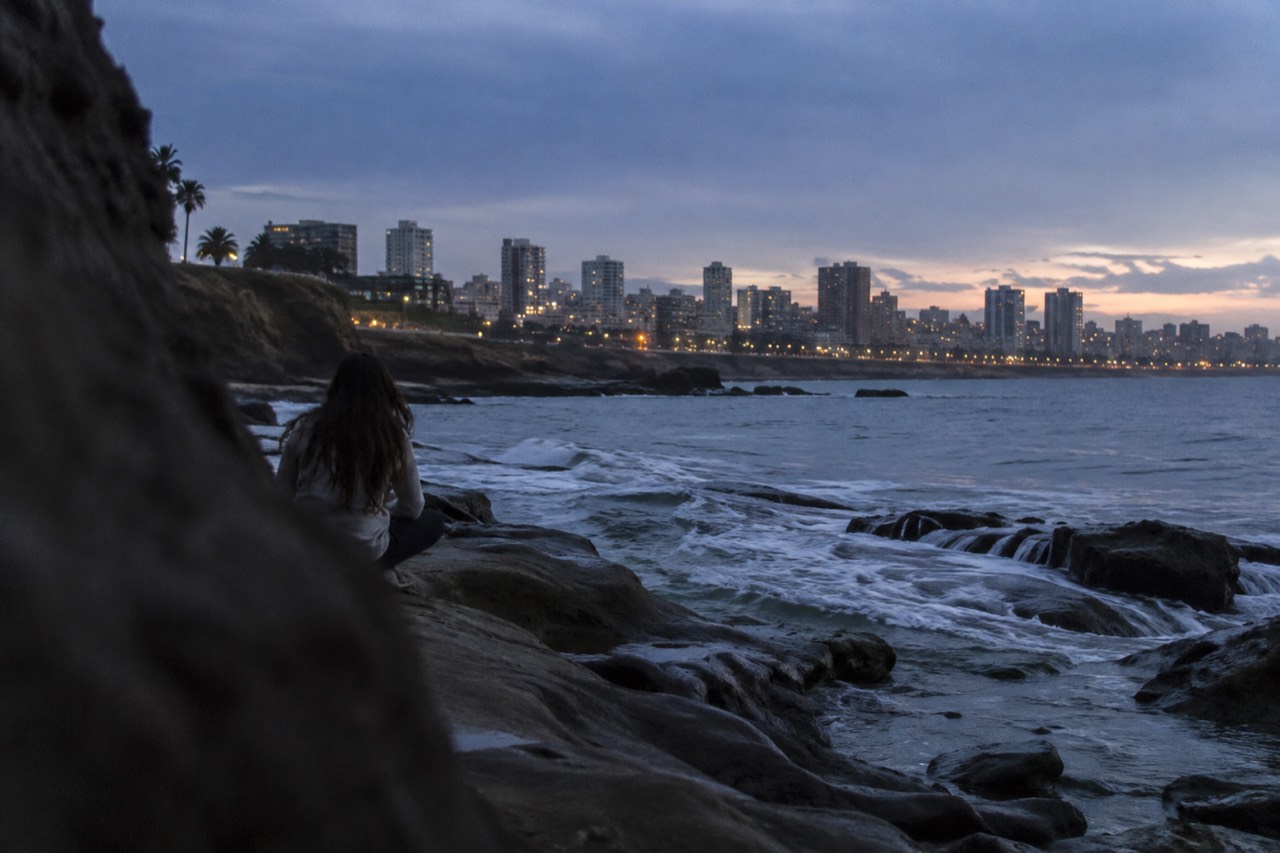
If you ask a local which is better, La Jolla or Coronado, you will usually get a question back: what kind of day do you want? The two places sit about 15 miles apart by road, and both show up on every San Diego postcard rack, but they are opposites in character. La Jolla is a hilly village wrapped around a wild, rocky shoreline full of sea lions, pelicans and caves you can paddle into. Coronado is a flat, tidy island town built around one enormous, gentle beach and the white wedding-cake hotel at the end of it.
This guide compares them on the things that actually decide a trip: the beaches, the costs, how you get there, what you do with kids, where you eat, and where you might sleep. Everything here is drawn from the site's verified research, so the figures are ones you can plan against. If you only have one free day, the short version is that La Jolla rewards energy and Coronado rewards ease.
La Jolla or Coronado: Which Should You Choose for Your Day?
Pick La Jolla if your day is about doing things: kayaking into sea caves, snorkeling with sea lions, walking a cliff-side trail and browsing galleries, all in a compact, walkable village. Pick Coronado if your day is about not doing very much: a long, flat, swimmable beach, a bike ride, an ice cream on Orange Avenue and a look at the Hotel del Coronado. La Jolla is the more dramatic and more crowded of the two; Coronado is the more relaxed and more family-friendly.
The honest framing is activity versus ease. La Jolla's shoreline is the most biologically interesting stretch of urban coast in the county, and the village above it is steep, busy and full of things to book. Coronado's appeal is simpler and harder to ruin: sand, space, and a skyline view of downtown across the bay. Neither is a bad choice, and travelers who try both usually describe them as completely different days rather than competing versions of the same one.

There is also a seasonality angle worth knowing before you commit. San Diego's coast is famous for the marine layer locals call May Gray and June Gloom, and it is visible in the 30-year climate normals themselves: June's normal high of 71.7°F is actually lower than October's 74.6°F. September is the real summer month, with a normal high of 77.2°F that beats July's by almost two degrees, and the ocean at La Jolla averaging 67.6°F. If you are coming in early summer and want the most reliable sunshine, the flat, open beach at Coronado burns off morning grey faster than the cliff-shadowed coves of La Jolla. The site's San Diego weather and best time to visit guide breaks the month-by-month pattern down in more detail.
How Do the Beaches at La Jolla and Coronado Actually Compare?
Coronado's beach is wide, flat and gently sloping, with fine sand and calm water that is good for swimming and sandcastles. La Jolla's beaches are a series of small, rocky coves, including La Jolla Cove itself, La Jolla Shores and the Shell Beach area, with colder water, kelp beds and the sea caves. Coronado is the better swimming beach; La Jolla is the better beach for wildlife, snorkeling and scenery.
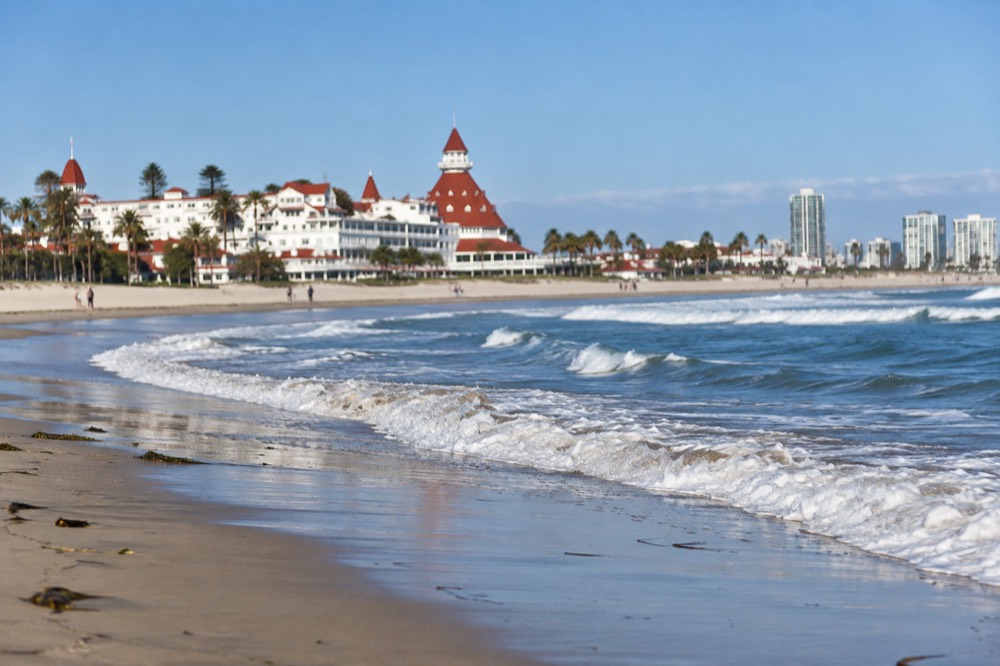
Coronado Beach runs for about a mile and a half along the ocean side of the island, facing west toward the open Pacific but sheltered enough that the surf is usually modest. The sand is famously sparkly, thanks to the mineral mica in it, and the backdrop is the Hotel del Coronado at one end and the Coronado Shores towers at the other. Because the island is essentially flat, getting from street to sand takes minutes and no stair-climbing. The site's Coronado Beach guide covers the access points and the best stretches.
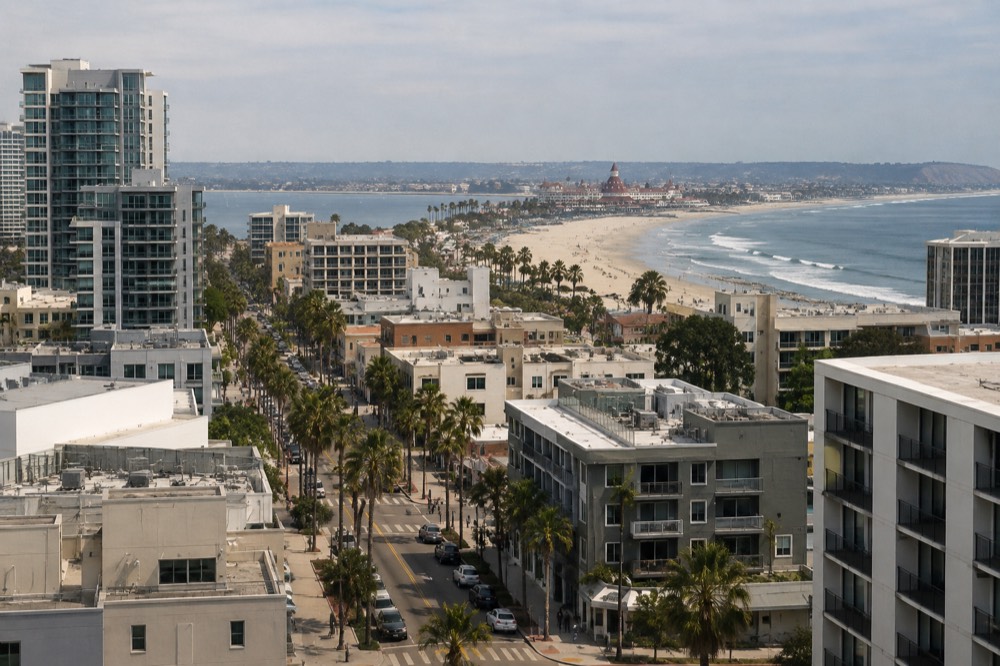
La Jolla is a different animal. The coastline there is a protected underwater park, the San Diego-La Jolla Ecological Reserve, and the result is water that is visibly full of life: garibaldi, leopard sharks in late summer, sea lions hauled out on the rocks, and a colony of cormorants and pelicans. La Jolla Shores, at the north end, is the one genuinely friendly swimming beach in the neighborhood, with a long, gentle slope. The Cove and the sea cave area are better for looking at than lying on. The La Jolla Cove guide and the La Jolla Shores guide split those two stretches into full pages.
The water temperature is worth planning around either way. At the NOAA station at Scripps Pier in La Jolla, the monthly average surface temperature runs from about 58°F in winter to 68.7°F in August, which is the warmest month. That is swimmable without a wetsuit for most people in late summer, and brisk the rest of the year. Coronado's water is essentially the same ocean a few miles south.
| Beach | Best for | Water | Crowd level |
|---|---|---|---|
| Coronado Beach | Swimming, sandcastles, long walks | Usually gentle surf | Moderate, lots of space |
| La Jolla Shores | Swimming, beginner surfing, kayaking launches | Calm, gradual depth | Busy in summer |
| La Jolla Cove | Snorkeling, wildlife viewing, photography | Cold, clear, kelp beds | Crowded midday |
| Shell Beach and the caves | Scenery, tide pools at low tide | Rocky, not for swimming | Crowded at viewpoints |
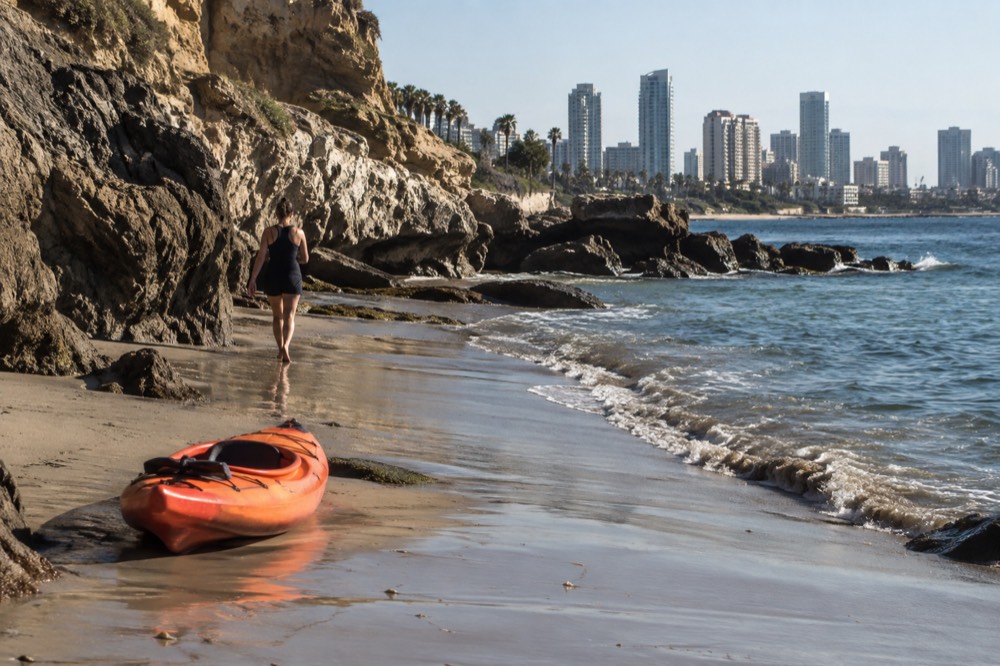
The single most popular activity on the La Jolla side is paddling into the sea caves, and it is the one thing Coronado genuinely cannot match. The guided kayak tours launch from La Jolla Shores and work along the cliff line to the caves, with sea lions often surfacing a few feet from the boats. The classic option is the two-hour La Jolla Sea Cave Kayak Tour, and you can Check availability before you go. Snorkelers have two strong options as well, which we get to below.
If you would rather stay on top of the water than in it, the caves are also visible from the Coast Walk, a clifftop path above the Cove, and from the small sand beach at the foot of the cave area at low tide. Neither requires a guide or a booking. For Coronado, the equivalent free pleasure is simply walking the full length of the beach at sunset, with downtown's skyline going gold across the bay.
What Does a Day in La Jolla or Coronado Cost?
A Coronado day can be nearly free: the beach costs nothing, the ferry across the bay is a cheap transit fare, and the island's best experiences, the beach and Orange Avenue, are free to enjoy. A La Jolla day scales with what you book: the shoreline itself is free, but the kayak tours, snorkel tours and paid parking add up quickly. Budget roughly the price of one activity plus lunch per person for La Jolla, and the price of a ferry ticket plus lunch for Coronado.
The free baseline is the same in both places. The beaches, the viewpoints and the village streets cost nothing in either town. Where they diverge is the add-ons. La Jolla's signature experiences are guided and ticketed: kayak tours, snorkel tours, surf lessons. Coronado's signature experiences are the beach, the hotel's public spaces and a bike ride, none of which require a booking. If your budget for the day is close to zero, Coronado is the easier place to have a complete day.
Parking is the hidden cost on the La Jolla side, and this site gives it to you straight because there is nothing to sell you here. La Jolla's street parking is free but famously scarce in summer, and there is no published rate table for beach lots in the city, so treat any specific figure you read elsewhere with suspicion. The honest advice is to arrive before mid-morning or take the bus. Coronado is a little kinder: the island has free street parking in residential stretches and paid lots near the commercial core, but in July and August it tightens up too. The site's parking in San Diego guide covers the general rules, including the fact that Sunday is no longer free everywhere in the city since enforcement was extended into commercial areas.
| Cost item | La Jolla | Coronado |
|---|---|---|
| Beach access | Free | Free |
| Signature paid activity | Kayak or snorkel tour | Bike rental |
| Parking | Free street, very scarce; no published beach-lot rates | Free street in spots, paid lots near center |
| Getting there by transit | MTS bus to the village | Ferry or bus across the bay |
| Budget lunch | Tacos and a smoothie in the village | Casual fare on Orange Avenue |
One planning note on the water: the monthly averages above come from NOAA's station at Scripps Pier, and they are averages, not guarantees. A given August morning can be several degrees below the monthly mean if the marine layer has been sitting overnight. Swimmers and snorkelers who feel the cold should aim for the afternoon, when the sun has had hours to work.
If you are leaning toward the La Jolla day and want to lock in the kayak tour, it is worth doing early rather than on the morning of. Summer dates sell out, and the operators on this roster run standard free-cancellation terms, so booking ahead costs you nothing if plans change.
Which Is Easier to Reach Without a Car?
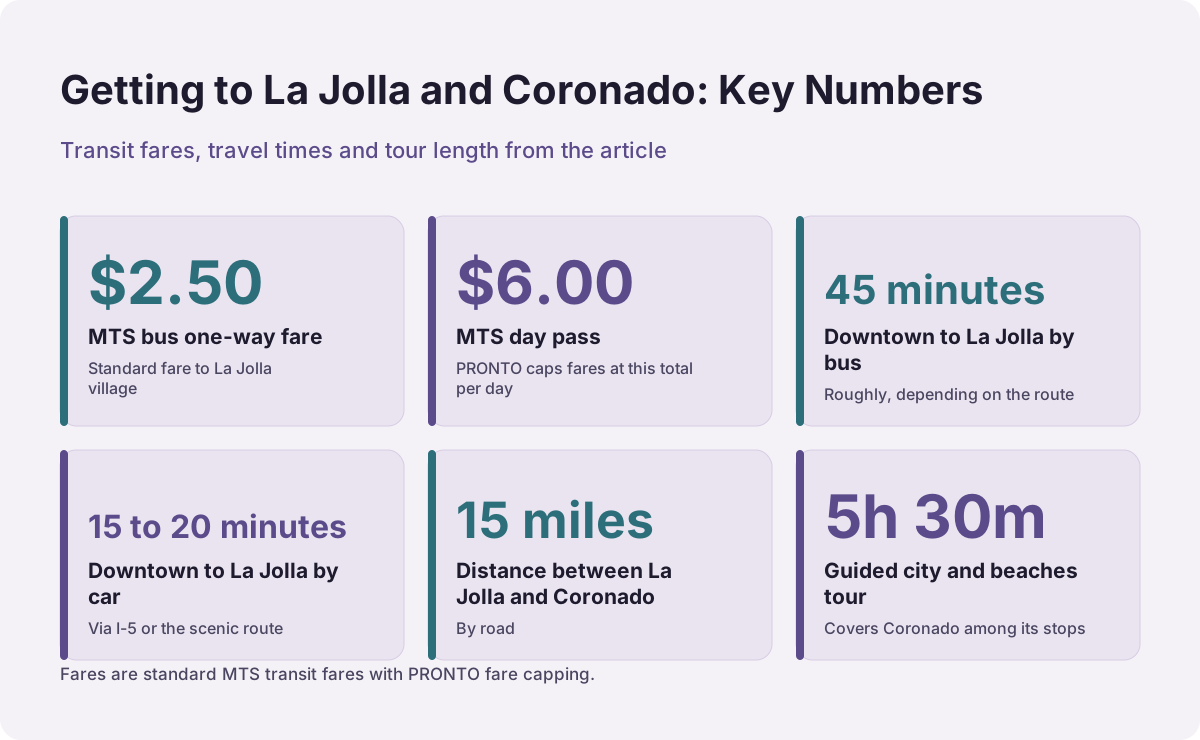
Coronado is the easier car-free trip from downtown: a short ferry ride across the bay or a bus over the bridge puts you in the middle of the island, and everything there is flat and walkable. La Jolla is reachable by MTS bus from downtown in about 45 minutes, but the village is hilly and the best shoreline spots are spread out, so you will walk more. From downtown without a car, Coronado wins; with a car, both are simple.
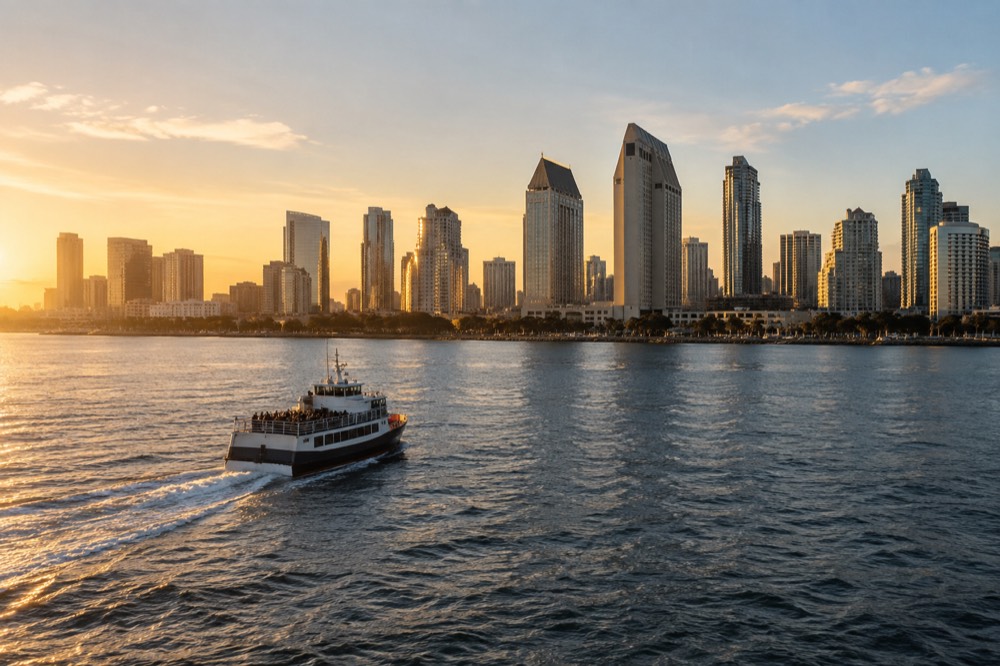
The ferry is Coronado's secret weapon. It runs between downtown's waterfront and the island, and the crossing itself is one of the best cheap experiences in the city: you glide across the bay with the skyline behind you and the Hotel del Coronado ahead. The fare is a standard transit fare, and the site deliberately does not print a number for it because it is not confirmed on an official page; check the current schedule and fare on the operator's own site before you go. Once you land, Orange Avenue, the beach and the hotel are all within a flat 15-minute walk.
La Jolla, by contrast, is a bus ride up the coast. The MTS network connects downtown to the La Jolla village area, and the fare is the standard one: $2.50 one-way or a $6.00 day pass, with fare capping through the PRONTO system meaning you never pay more than the day-pass total in a day. The ride takes roughly 45 minutes depending on the route. Once you are there, the village, the Cove and the Shores are connected on foot, but the terrain is hilly and the distances between the Cove and the Shores are real, so wear real shoes. The getting around San Diego guide maps the trolley, bus and PRONTO details.
If you are staying downtown and want to see the bay from the water without crossing to the island, a harbor cruise is the other classic option, and it pairs well with a Coronado day since both leave from the Embarcadero. The one-hour Harbor Cruise loops the bay past the naval ships and under the Coronado Bridge itself, with regular daily departures from the waterfront.
For drivers, the calculus flips. La Jolla is about 15 to 20 minutes from downtown via I-5 or the scenic route through Pacific Beach and La Jolla Parkway, and Coronado is a straight shot over the soaring bridge, which is itself worth the drive. The trade is parking: La Jolla's lots and streets fill earliest, while Coronado has more room but concentrates it near Orange Avenue. In both cases, mornings are the friend you need.
Which Is Better for Families with Kids?
Coronado is the easier family day: the beach is flat and swimmable, the ice cream is close, and nothing requires a booking or a wetsuit. La Jolla is the more memorable one for kids old enough to enjoy it: sea lions at eye level, a two-hour kayak paddle and tide pools beat a sandcastle for most children over about six. Families with toddlers or non-swimmers should pick Coronado; families with confident kids who like animals should pick La Jolla.
The age question decides this more than anything. Coronado with small children is almost effortless: you park or ferry over, plant yourselves on the sand, and everything you forgot is within a short walk of Orange Avenue. The surf is usually gentle, the beach is wide enough that you can find space even in August, and the flat terrain means strollers and wagons work everywhere. Lifeguards staff San Diego's permanent oceanfront stations year round, generally from 9:00 am to dusk, and Coronado's beach is one of them. The rest of the planning pages sit on Things to Do in San Diego.
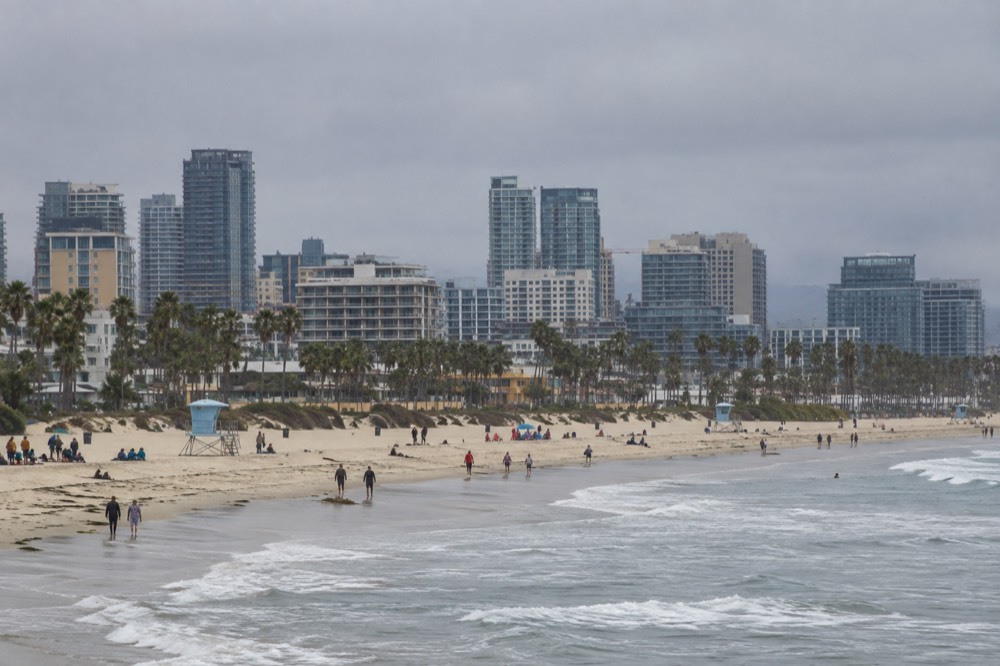
La Jolla with kids is more work and more payoff. The sea lions at the Cove and around Boomer Beach are the single most reliable wildlife sighting in the city, and children remember them. The Shell Beach tide pools at low tide are a close second. For kids around eight and up, the kayak tours are the standout family activity, and the combined kayak-and-snorkel format suits confident young swimmers. The San Diego with kids itinerary fits both towns into a longer trip if you have the days.
| Family factor | La Jolla | Coronado |
|---|---|---|
| Best age range | About 6 and up | All ages |
| Wildlife | Sea lions, pelicans, fish, leopard sharks in season | Gulls and the occasional dolphin |
| Swimming | Good at La Jolla Shores only | Good along the whole beach |
| Stroller terrain | Hilly, some stairs | Flat throughout |
| Booking needed | Tours recommended in summer | Nothing |
Two safety notes that apply to both. Rip currents are the primary hazard on any San Diego beach, and the official advice is to stay calm and swim parallel to the shore until the pull relaxes, then angle in; swim near a lifeguard. And alcohol is prohibited on all city beaches and boardwalks, so leave the cooler beer at the hotel. The city's own beach regulations page carries the full list, including the glass and smoking bans.
Which Has Better Food, Bars and Evening Atmosphere?
La Jolla has the stronger food scene: a dense village of upscale seafood, long-standing institutions and casual taquerias, plus Prospect Street's view restaurants perched above the Cove. Coronado has fewer but very solid options along Orange Avenue, and its evening character is quieter, more resort-like and mostly wrapped up early. For a dinner that is a destination in itself, La Jolla wins; for a relaxed sunset and an early night, Coronado wins.
La Jolla's dining runs from white-tablecloth rooms with ocean views to genuinely good cheap tacos within a few blocks of each other. The village is compact enough that you can walk from a morning coffee to an afternoon snack to dinner without moving the car, which is exactly what you want after a kayak tour. The site's best restaurants guide and the best fish tacos guide place La Jolla's kitchens in the citywide context, and the fish taco in particular is a La Jolla-adjacent specialty given the neighborhood's position on the coast.
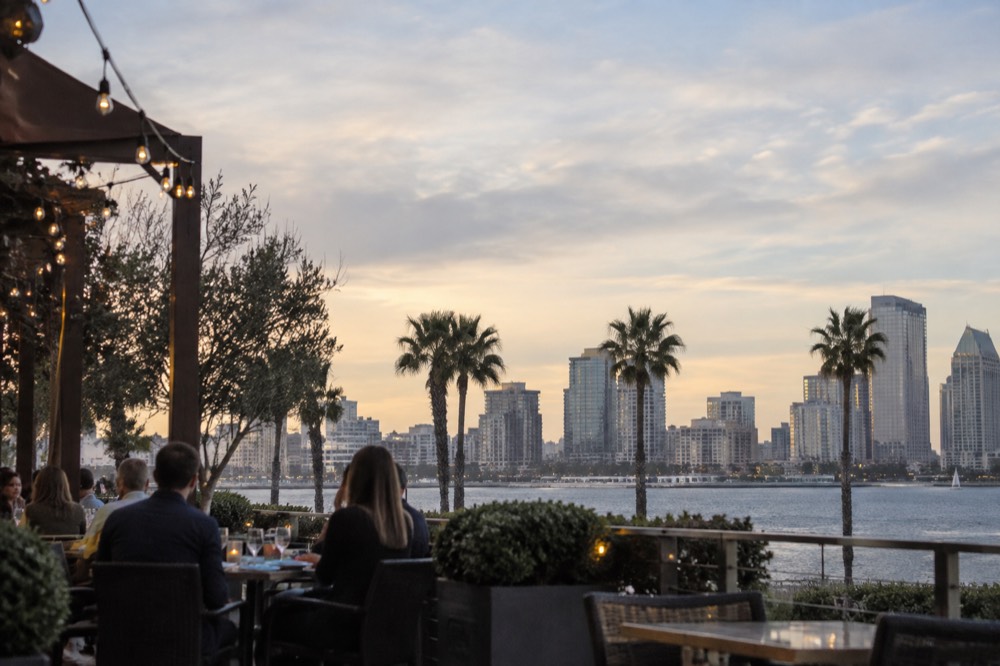
Coronado's Orange Avenue is a single pleasant strip of restaurants, ice cream shops and boutiques, anchored by the hotel's own famous dining room and the old tavern that sits under its red gabled roof. The pace after dark is unhurried and skews toward hotel guests and families. That is a strength if your evening plan is a beach sunset and an early night, and a limitation if you want a scene. Nightlife, to be clear, lives downtown in the Gaslamp, not in either of these towns; the Gaslamp Quarter guide covers that separately.
For a sunset specifically, both towns deliver but differently. La Jolla's Sunset Cliffs-adjacent viewpoints and the Coast Walk give you a golden-hour coastline with the sun dropping into open ocean. Coronado gives you the rarer sight: the sun setting behind the downtown skyline across the bay, with the beach in the foreground. Photographers tend to prefer the first; everyone else is happy with either.
Where Should You Stay: La Jolla or Coronado?
La Jolla is the better base if you want to be walking distance from the coast's best activities and don't mind hills and higher nightly rates in summer. Coronado is the better base for a relaxed beach holiday, with the trade-off that you will cross the bridge or the bay for most of the city's other sights. Downtown is the better answer if you plan to sightsee widely, but between these two, La Jolla suits a busy itinerary and Coronado suits a slow one.
The lodging character of the two is distinct. La Jolla's hotels cluster around the village and the Shores, ranging from luxury oceanfront properties to small inns a few blocks inland, and the premium you pay buys proximity: you can walk to the Cove before the tour buses arrive. Coronado's lodging is dominated by the grand historic hotel at the beach's north end and a spread of resorts, inns and vacation rentals along the island's quiet grid. The Hotel del Coronado guide covers the big one in full, and the where to stay in San Diego guide compares every neighborhood including both of these.
The honest weakness of Coronado as a base is geography. It is a peninsula-island at the end of a bridge, so every trip to the Zoo, Balboa Park or La Jolla itself starts with a crossing. La Jolla has the mirror-image problem: it sits at the top of the city, so trips to downtown and the border sights add 20 minutes each way. If your itinerary is half beach days and half city sights, the compromise answer is often downtown or Mission Bay, with day trips to both.
If you would rather have someone else handle the logistics entirely, a guided highlights tour that covers the city and the beaches in one 5h 30m loop is a workable alternative to basing yourself anywhere. The City and Beaches Highlights Tour includes Coronado among its stops, which is the most efficient way to sample the island without committing a full day to it.
So Which One Should You Pick: La Jolla or Coronado?
Choose La Jolla if this is your one big activity day: the kayak tour, the sea lions, the Cove and a good dinner add up to the most concentrated five hours of San Diego. Choose Coronado if you have already done the activities, or if your group wants a low-effort beach day with a ferry ride and a famous hotel. First-time visitors with energy pick La Jolla; returning visitors, families with small kids and anyone recovering from a long flight pick Coronado.
There is a reason this comparison is one of the most searched questions about the city: both are excellent and they genuinely do not overlap. La Jolla is the coast at its most alive, Coronado is the coast at its most comfortable. Travelers who have three or more days should stop treating it as either-or, because the ferry-and-beach half day in Coronado pairs beautifully with a morning kayak tour in La Jolla on consecutive days. The one day in San Diego itinerary shows how a tight schedule handles the choice when you truly cannot do both.
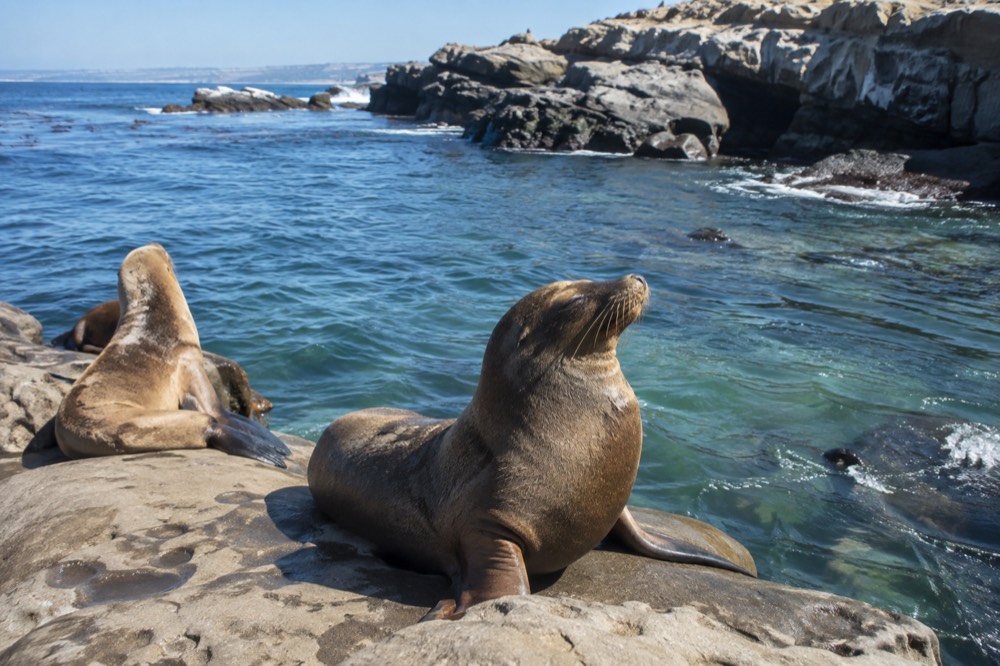
For the activities that make the La Jolla day what it is, the three strongest options on the water are the classic sea cave kayak tour, the combined kayak-and-snorkel format, and the Cove snorkeling tour with the sea lions. All three launch from the Shores or the Cove area, all run with guides, and all are best booked ahead in summer. Whichever you choose, the rule of thumb is the same: morning water is calmer, and the marine layer usually burns off by late morning.
Whatever you decide, book the water activity before you book the restaurant. The tours are the scarce items; the tables and the beach will be there either way.
Common Questions About La Jolla or Coronado
La Jolla or Coronado: which is better for a first visit?
La Jolla, for most first-time visitors. The sea lions, the Cove, the sea cave kayak tours and the clifftop walk deliver the most concentrated dose of coastal San Diego in a few hours. Coronado is wonderful but is essentially one beach, one hotel and one pleasant street, so it rewards a slower pace than most first trips allow.
Can you visit both La Jolla and Coronado in one day?
Yes, with a car. La Jolla in the morning for the wildlife and a kayak tour, then a 20 to 25 minute drive over the Coronado Bridge for an afternoon on the beach and a sunset across the bay. Without a car it is possible but slow, since the two are on opposite sides of the bay with no direct transit link.
Which has better beaches, La Jolla or Coronado?
Coronado for swimming and sandcastles: it is wide, flat and gently sloping. La Jolla for scenery, snorkeling and wildlife: the coves are rocky, the water is colder and clearer, and the sea caves and kelp beds make it the better water for looking at rather than lying in.
Is Coronado worth visiting if you are not staying there?
Yes. The ferry crossing, the walk down Orange Avenue and an hour on the beach make a satisfying half day from downtown, and it is one of the few San Diego experiences that costs almost nothing. The Hotel del Coronado's exterior and public spaces alone are worth the trip for many visitors.
Is parking difficult in La Jolla?
It can be, especially in summer and on weekends. Street parking is free but scarce after mid-morning, and there is no published rate table for beach lots, so treat any specific figure with caution. Arrive before 10 am, use the MTS bus, or budget time to circle.
Can you swim at La Jolla Cove?
Yes, and it is a popular spot for it, but the water is cold, averaging 58°F in winter and 68.7°F in August at the nearby Scripps Pier station. Swimmers share the Cove with snorkelers and the local sea lion population, and the rocky entry means water shoes help.