San Diego Comic-Con Visitor Guide: Badges, Hotels, and What to Do Without One
Comic-Con takes over downtown San Diego for five days every July, and the city plans its whole year around it. Here is how to plan the trip, badge or no badge.
Short answer
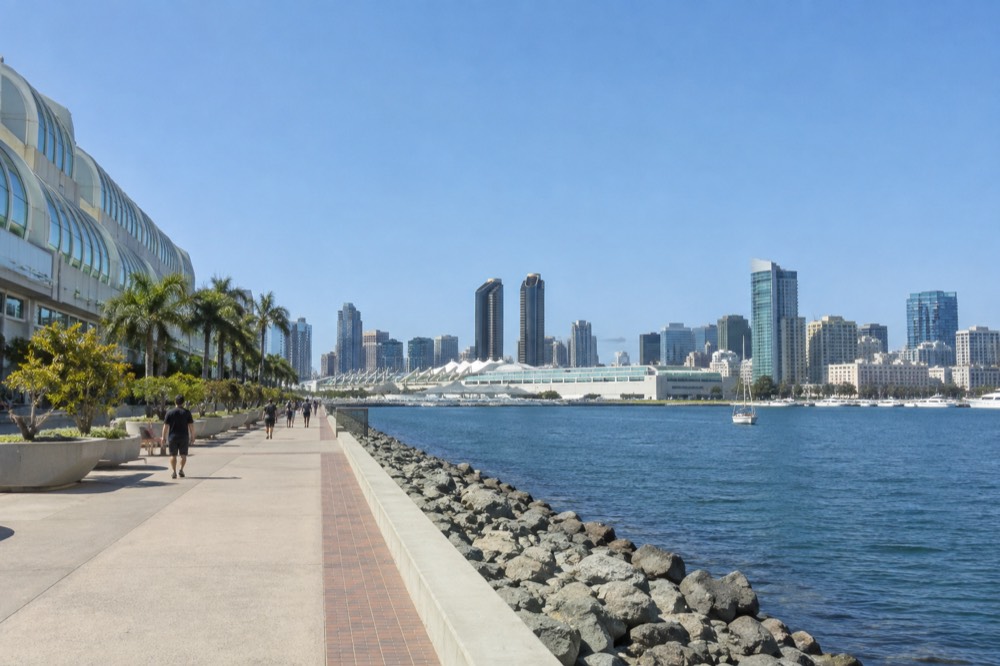
Comic-Con International runs July 22 to 25 in 2027, with Preview Night on July 21, at the San Diego Convention Center. Badges are sold through a limited online sale and a returned-badge resale, and downtown hotels sell out months ahead. The Gaslamp Quarter, the waterfront, and Balboa Park keep the whole city playable even if you never set foot on the exhibit hall floor.
Every July, downtown San Diego becomes the center of the pop-culture world for five days. Comic-Con International fills the convention center, spills into the Gaslamp Quarter, and pulls a huge crowd of visitors into a walkable stretch of waterfront that is, conveniently, one of the easiest big-city landscapes in America to navigate. Planning the trip well matters more here than at almost any other event, because badges, hotels, and even restaurant reservations all operate on their own timelines that start months before the doors open.
This guide covers the whole picture: what the event actually is, how badge sales work, where to sleep, how to move around, and, just as important, what to do with your time if you don't get a badge at all. The city rewards both kinds of visitor.
What Is San Diego Comic-Con and Why Is It So Hard to Get Into?
Comic-Con International is a nonprofit convention that has run in San Diego for decades, and demand for it long ago outgrew the convention center's physical capacity. Tens of thousands of attendees pack the event across Preview Night plus four full days, which is why badges sell through randomized online sales rather than first-come ordering, and why hotels within walking distance sell out almost a year ahead. The scarcity is structural, not a marketing trick.
The event itself is far broader than the name suggests. Yes, there are comic artists and dealers' rows of vintage books, but the modern convention is also where film studios preview upcoming releases, where TV casts hold panels in the biggest hall in the building, and where the industry announces projects that dominate entertainment news for weeks afterward. Hall H, the largest room, has produced some of the most famous moments in recent movie marketing history.
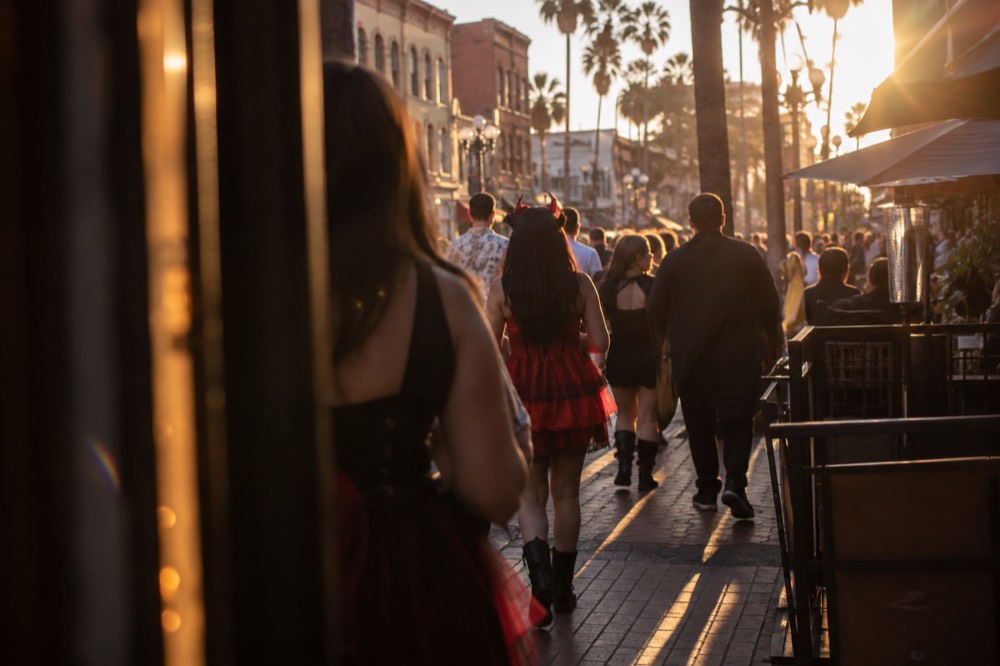
The scale outside the building matters too. Studios take over nearby parks, hotels run themed activations, and the Gaslamp Quarter's sidewalks fill with cosplay that turns a normal business district into a free public street festival. Locals who have zero interest in comics still come downtown during the con just to people-watch. If you want a sense of the wider downtown stage this all plays out on, our downtown San Diego neighborhood guide maps the blocks that matter.
One thing to understand before you plan anything: the convention is a daytime-and-evening marathon, not a single-day show. People queue for popular panels before sunrise, and the exhibit hall alone can eat two full days if you let it. Build rest into the schedule or the week will flatten you by Friday.
How Do You Get Comic-Con Badges?
Badges are sold only through the official Comic-Con website via two main channels: a limited badge sale that typically opens in the months before the convention, and returned-badge sales closer to the event. You create an account in advance, enter the sale when it opens, and hope the randomized queue lands you a purchase window before the allotment runs out. There is no gate sales option, and no standby line.
The mechanics change slightly year to year, so treat this as the shape of the process rather than a promise. In a typical cycle, registration opens with a returning-member window first, then a sale for new or lapsed members. Each sale puts everyone who logs in into a random waiting-room order, and purchase windows are short. When the allotment is gone, the sale ends, and the only path afterward is resale of returned badges, which usually happens in waves closer to July.
Here is how the pieces of the registration calendar typically line up:
| Stage | Typical timing | What you do |
|---|---|---|
| Member account creation | Any time, well before sales | Register on the official site and verify your details |
| Returning-member badge sale | Late fall / winter before the con | Log in, join the random queue, buy if you get a window |
| Open badge sale | Winter / early spring | Same process for new and lapsed members |
| Returned-badge resale | Spring through July, in waves | Watch the official site and move fast when a wave drops |
| Hotel sale via housing partner | After badge sales open | Book downtown blocks at negotiated rates before they vanish |
Practical advice that survives every format change: create your member account well before any sale is announced, follow the official channels at Comic-Con International's own site for sale dates, and do not buy badges from anyone reselling them outside official channels, because fake badges are a recurring scam every summer. Single-day badges are cheaper than full-event badges and, for many first-timers, one or two days is plenty.
The other half of the registration system is hotels. The official hotel sale, run through the convention's housing partner, opens after badge sales and offers blocks of rooms at rates negotiated below the walk-in summer price. Downtown rooms in that sale disappear in hours. If you miss it, see the hotels section below.
Where Is Comic-Con Held and How Do You Get Around?
The San Diego Convention Center, on the waterfront at the foot of the Gaslamp Quarter, is the main venue, with panels and activations also spread across nearby hotels, the baseball park, and waterfront parks. Walking covers most of it: the convention center, the Gaslamp, Seaport Village, and the Embarcadero sit within a mile of each other. For anything farther, the MTS trolley runs $2.50 a ride or $6.00 for a day pass.
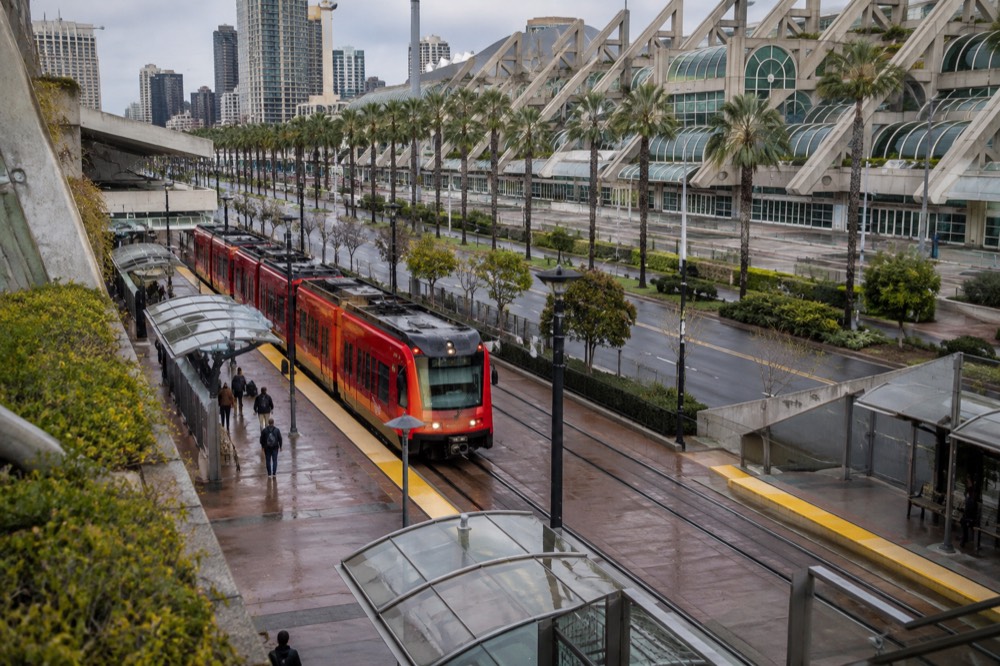
The trolley is the single most useful transit line for con week. The Convention Center station is directly across Harbor Drive from the venue, and the system connects downtown to Old Town, Little Italy's fringes, and the Blue Line south toward the border. Fares run $2.50 one-way with two-hour transfers and $6.00 for a day pass, per the official MTS fare chart, and the PRONTO system caps your rides automatically, so you never need to buy a day pass up front. Trains run more often during the con, but they run packed, especially at the Convention Center stop at closing time.
If you are staying outside downtown or making day trips, a two-day hop-on hop-off trolley ticket is the lazy, sensible answer: it stops at the major districts, the narration fills the gaps between neighborhoods, and you can ride it between morning panels and an afternoon at the waterfront without thinking about parking at all. For getting around the city generally, our getting around San Diego guide covers the trolley, buses, and airport connections in detail.
Do not drive to the convention center. Downtown parking during the con is expensive where it exists and full where it is not, and the city's meter enforcement runs into the evening in the Hospitality Zone. The honest advice, which nobody earns a commission from, is in our parking in San Diego guide: arrive by trolley, rideshare, or on foot, and save the car for a day trip.
The hop-on hop-off trolley deserves a specific mention for badgeless visitors too, which is most of the people reading a guide like this. It runs for two days per ticket, which lines up neatly with a long con weekend, and it turns the dead hours between offsite activations into a tour of the city instead of a wait in line.
Where Should You Stay During Comic-Con?
Book through the official hotel sale if you can, because its negotiated rates sit below the open summer market and downtown rooms are the scarcest commodity of the week. If you miss it, look along the trolley lines in Old Town, Mission Valley, or Little Italy rather than downtown itself, where you will pay peak-of-peak prices for the privilege of noise and construction detours. Anything within a short walk of a trolley station is functionally close to the convention.
The geography logic is simple. Downtown hotels within a half mile of the convention center command the biggest premiums of the year during the con. The official housing sale is the only way to get those rooms at sane rates, and it opens months out. Everyone else should think in trolley stops, not miles: Old Town is a short ride north, Mission Valley sits on the Green Line, and the airport area is one bus or shuttle hop away.
Here is how the realistic options compare for con week, as planning ranges rather than promises:
| Area | Trolley access | Walk to convention center | Trade-offs during the con |
|---|---|---|---|
| Gaslamp / Marina district | Convention Center station | 5-15 minutes | Highest prices, most noise, everything at your door |
| Little Italy | Green Line nearby | 25-35 minutes on foot or one short ride | Great food scene, calmer evenings, still pricey |
| Old Town | Blue and Green Lines meet here | 2 trolley stops | Cheaper, historic, easy airport shuttle via the Flyer |
| Mission Valley | Green Line | 20-30 minutes by trolley | Suburban rates, mall dining, less atmosphere |
| Coronado | Ferry and bus, no trolley | Scenic 15-minute ferry to the waterfront | Quietest option, most scenic commute, weather-proof it is not |
Book refundable rates as early as you can and keep hunting. Cancellations ripple through hotel inventories in waves from spring onward, and flexibility is worth more than any single neighborhood choice. Our broader where to stay in San Diego guide breaks down the neighborhoods for a normal trip, and almost all of that logic transfers to con week with one adjustment: weight trolley access above charm.
What Is There to Do Outside the Convention Center?
A lot, and this is the part most first-timers underestimate. The Gaslamp Quarter runs outdoor activations, themed pop-ups, and late-night food, the Embarcadero holds the waterfront ships and museums, Balboa Park is a short ride away, and Petco Park sits directly across the street from the convention center with tours and, some years, games that collide with the con. You can fill every non-panel hour without repeating anything.
Start with the block you are already standing on. The Gaslamp Quarter is the convention's unofficial second venue, with studios and brands renting storefronts for free or ticketed experiences, lines wrapping around buildings, and a street-level energy that peaks after the hall closes. Our Gaslamp Quarter guide covers the district's normal personality, which is worth knowing because the con version is louder and the restaurant waits are triple.
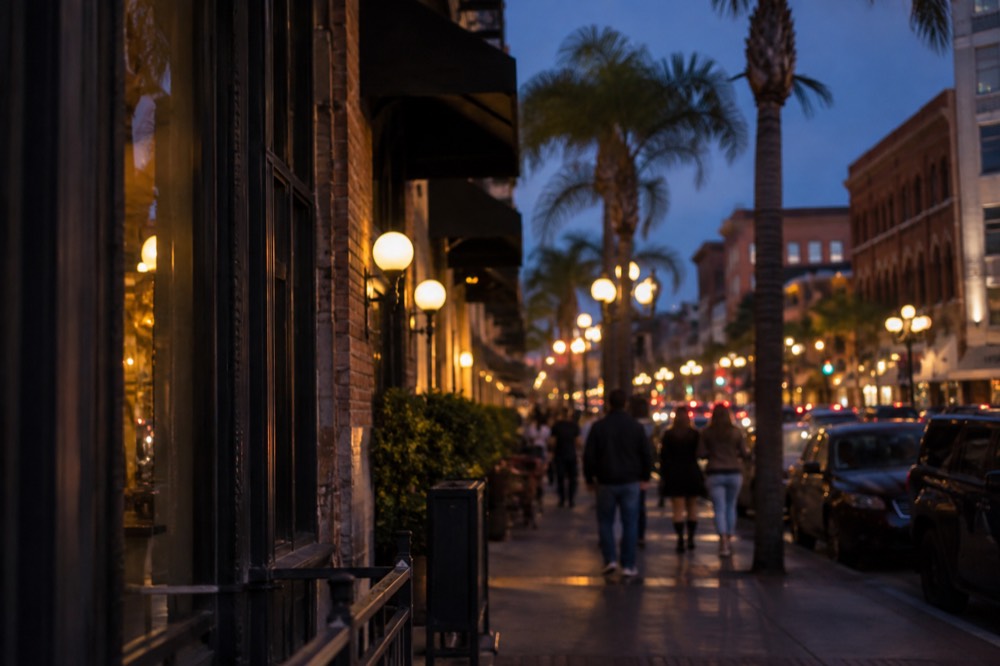
Food deserves a plan, because eating well during the con is a strategy, not a coincidence. The restaurants nearest the convention center have the longest waits of the year; the smart move is to walk ten minutes in any direction. A guided option that doubles as dinner is the Gaslamp food and drink walking tour, which covers several stops in two and a half hours and works as an evening between panels. The full index of guides sits on Things to Do in San Diego.
For a faster, funnier orientation to the whole downtown grid, the two-hour GoCar tour is a con-weekend favorite: the little story-telling car routes you through downtown, Old Town, or the beaches, and you drive it yourself. It is a good morning activity before the hall opens or a badgeless afternoon entirely.
Then there is the waterfront itself. The USS Midway Museum, the aircraft carrier moored a short walk up Harbor Drive, is the single best non-con attraction within walking distance of the venue, and its flight deck is one of the great photo spots on the whole waterfront. The USS Midway Museum guide has full details on tickets and hours.
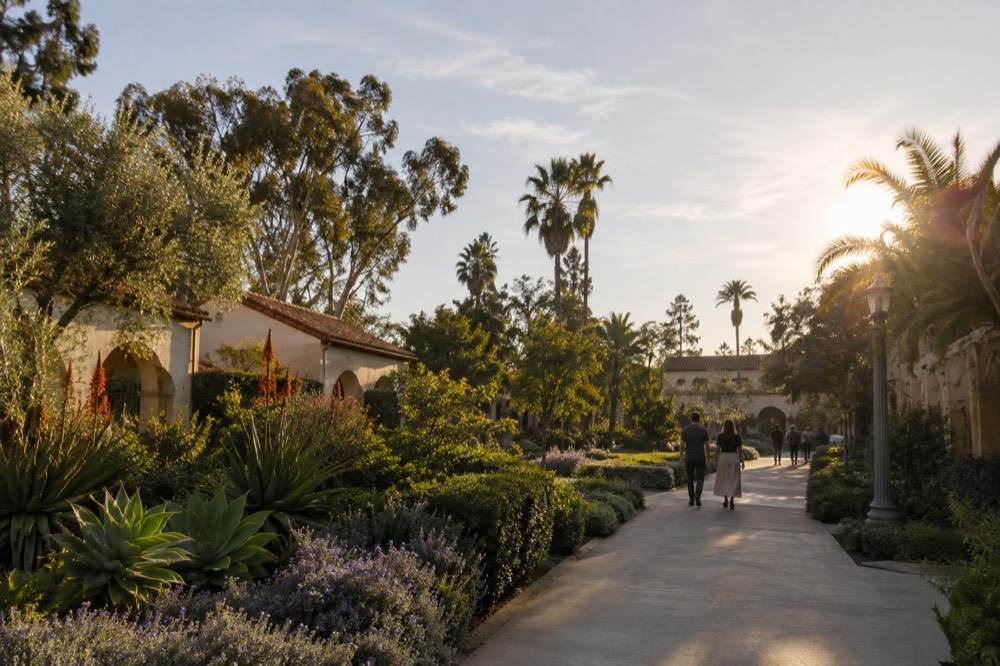
Balboa Park is the big half-day escape when the crowds get to you. The park's grounds, gardens, and the always-free Timken Museum cost nothing, and a two-hour guided walking tour of the park is an efficient way to see the architecture without burning a whole day you should spend in line. Our Balboa Park guide covers what is free, what costs, and the resident-only free-day rotation that visitors sometimes mistake for a public perk.
Is Comic-Con Worth It If You Don't Have a Badge?
Yes, genuinely, and thousands of people do it deliberately. The outdoor programming, the Gaslamp activations, the cosplay on the sidewalks, the evening events, and the waterfront attractions are all open to anyone, and much of it is free. A badgeless visitor with a trolley day pass and comfortable shoes can have a full four-day trip without ever entering the convention center, at a fraction of the cost.
The honest framing is that the badge gets you the panels, the exhibit hall, and the exclusives. Everything else, the part that gives the week its street-festival atmosphere, is in the city. Studios increasingly push their biggest public-facing stunts outside the hall precisely because the badge-holding audience is capped and the sidewalk audience is not.
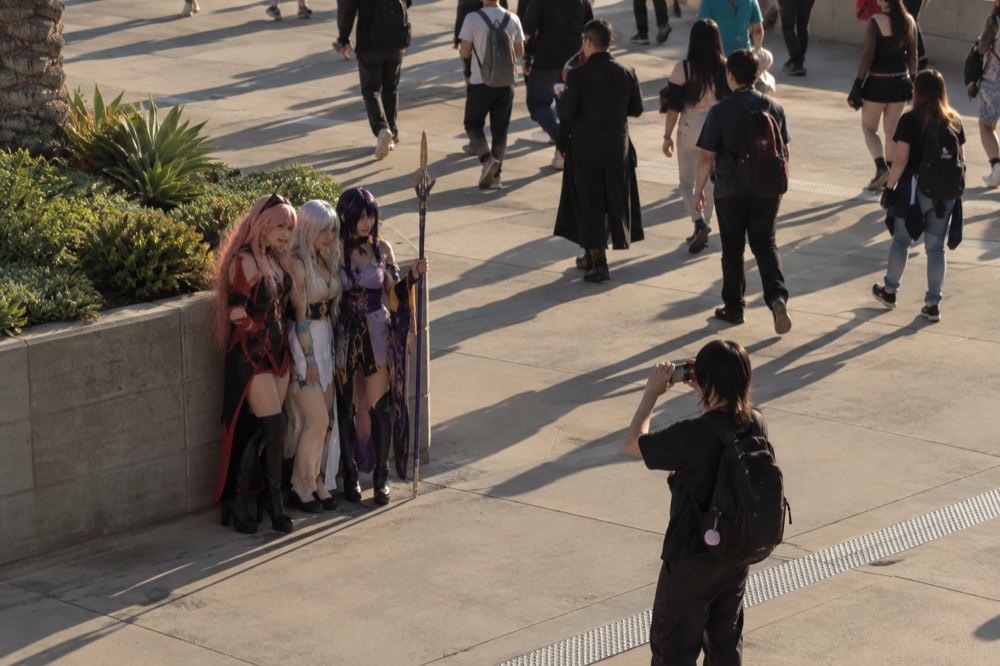
A workable badgeless day looks like this: morning at the harbor or aboard the Midway, midday wandering the Gaslamp activations and photo lines, late afternoon at Seaport Village or on a harbor cruise, and evening at a themed bar event or a ghost tour through the oldest parts of downtown. The 90-minute Ghosts and Gravestones trolley tour is a natural con-week night out, since it runs when the hall is closed and the city is at its most crowded and strangest.
The one thing to skip is the area immediately around the convention center at midday if you are crowd-averse. Walk two blocks inland and the density drops sharply. The whole badgeless strategy is documented from the other direction in our free things to do in San Diego guide, most of which applies during the con with the added bonus of street entertainment you normally have to pay for.
How Much Does a Comic-Con Trip Cost?
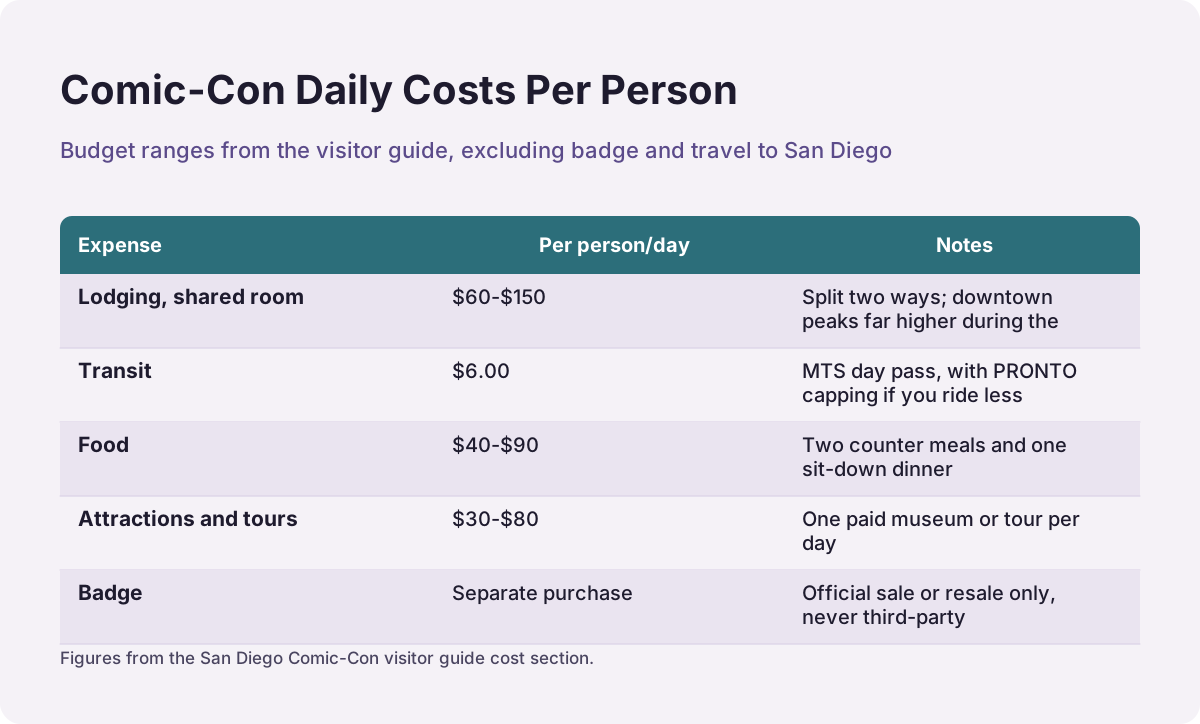
Budget roughly $150 to $200 per person per day for a con trip, excluding the badge and travel to San Diego: that range covers a mid-priced room split two ways, trolley passes, food, and a paid attraction or tour each day. Badges themselves are a separate line, and hotel is the line that can double the total if you insist on staying downtown. July is peak season, so every category prices at its summer maximum.
The lever that moves the total most is the room. A couple splitting a Mission Valley or Old Town room can hold the whole trip near the low end of that range; the same trip with a waterfront view downtown can run well past the top. Transit is the cheapest line item in the city, thanks to the $2.50 trolley fare, and food is entirely a matter of whether you queue for a tourist steakhouse or walk to a taqueria.
| Expense | Budget range (per person/day) | Notes |
|---|---|---|
| Lodging, shared room | $60-$150 | Split two ways; downtown peaks far higher during the con |
| Transit | $6.00 | MTS day pass, with PRONTO capping if you ride less |
| Food | $40-$90 | Two counter meals and one sit-down dinner |
| Attractions and tours | $30-$80 | One paid museum or tour per day |
| Badge | Separate purchase | Official sale or resale only, never third-party |
For the fuller picture, including how a con week compares to a normal week in the city, our San Diego trip cost guide breaks down every category, and the San Diego budget itinerary proves the low end of the range is real.
What Should First-timers Know Before Going?
Pack for walking and for temperature swings, plan your must-do panels the day the schedule drops, and accept early that you will miss things. Comfortable shoes matter more than any costume piece, the marine layer can keep July mornings grey until midday, and the difference between a good con and a miserable one is usually whether you built rest and real meals into the schedule. Treat the week as a marathon with a city attached.
The schedule is released in two waves, panels first and then the full programming grid, usually a couple of weeks out. Popular rooms clear and refill between sessions, so a Hall H day means committing the whole day to one line. Decide in advance which single day, or which two or three panels, define the trip for you, and let everything else be a bonus.
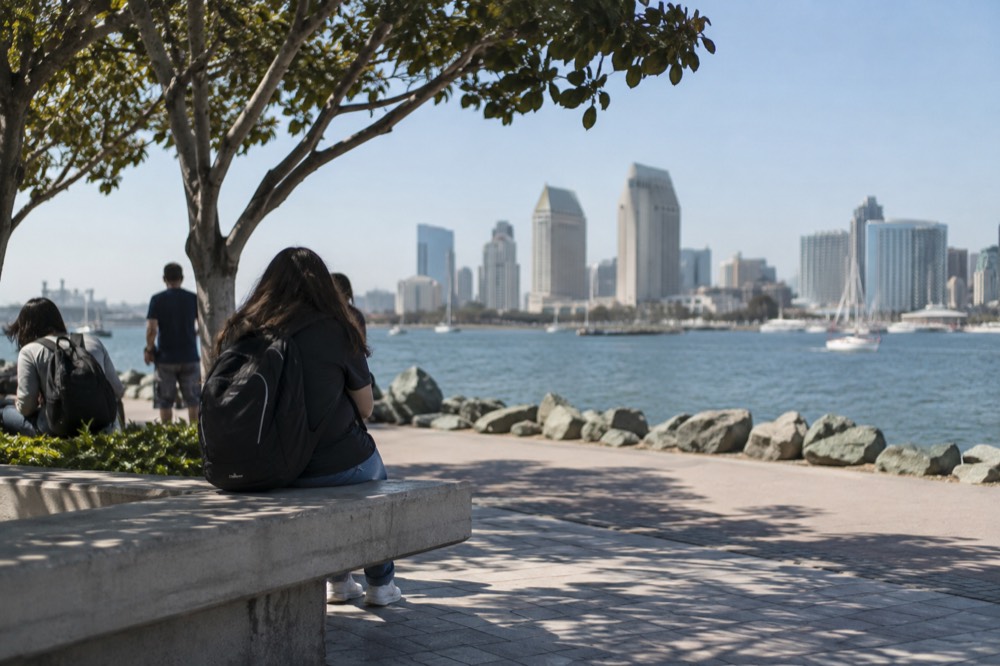
Weather is the detail outsiders get wrong. July's normal high is 75.3°F, but the marine layer locals call May Gray and June Gloom can linger into July mornings, keeping the coast grey and cool until midday while the sun burns it off for a warm afternoon. Layers, sunscreen, and a refillable bottle solve it. The city's climate quirks, including why September is secretly the warm month, are laid out in our San Diego weather guide.
A few con-specific habits that veterans all share, collected here in one place:
| Problem | The veteran habit that solves it |
|---|---|
| Dead phone by mid-afternoon | Charge everything overnight; outlets in the hall are contested |
| Badge scanner fails | Carry a physical backup of your badge QR code |
| Two-hour dinner waits near the venue | Book reservations weeks ahead for anything within a mile |
| Losing your group in the crowd | Pick one designated meeting spot; cell networks slow under the crowd load |
| Grey, cold mornings, hot afternoons | Pack layers; the marine layer usually burns off by midday |
| Sore feet by day two | Comfortable shoes over costume accuracy, every time |
The first time in San Diego guide covers the city-level basics, and everything in it applies double during the con.
Common Questions About San Diego Comic-Con
How do I get Comic-Con badges?
Through the official Comic-Con website only, via the limited online sale that opens in the months before the event and the returned-badge resale that follows. Create your member account early, watch the official site for sale dates, and never buy from third-party resellers, as counterfeit badges circulate every year.
Where is San Diego Comic-Con held?
Mainly at the San Diego Convention Center on the downtown waterfront, with panels and activations spread across nearby hotels, waterfront parks, and Petco Park across the street. The Gaslamp Quarter functions as the convention's outdoor second venue all week.
Is Comic-Con worth going to without a badge?
Yes. The Gaslamp activations, street cosplay, outdoor programming, evening events, and the waterfront attractions are all open to everyone, and much of it is free. Thousands of visitors plan badgeless trips deliberately and fill every day.
When is Comic-Con 2027?
July 22 to 25, 2027, with Preview Night on July 21, per the official Comic-Con International site. Book refundable hotels early and watch the same site for badge sale dates.
What should I do between Comic-Con panels?
The USS Midway Museum is a short walk up Harbor Drive, Seaport Village and the Embarcadero fill an afternoon, the Gaslamp food tour doubles as dinner, and Balboa Park is a short trolley-plus-ride away. The hop-on hop-off trolley ties all of it together on a two-day ticket.
How do I get to the convention center without a car?
The MTS trolley's Convention Center station sits directly across Harbor Drive from the venue, at $2.50 a ride or $6.00 for a day pass with PRONTO fare capping. Driving downtown during the con means expensive, scarce parking, so arrive by trolley, rideshare, or on foot.