Los Angeles to San Diego Day Trip: How to Do It in One Day
The run from Los Angeles down to San Diego is one of the most doable big-city day trips in California, and the mistake most visitors make is not the distance, it is the itinerary. Here is how to spend the hours well.
Short answer
A Los Angeles to San Diego day trip works best as a single-neighborhood day, not a checklist. Pick the waterfront and Balboa Park, or La Jolla, and commit. Budget roughly $76 for Zoo admission, $39 for the USS Midway at the online rate, and $6 for a day pass on the MTS trolley and buses. Drive down early or take the train, and keep the return leg after 7 pm to blunt the traffic.
A day trip from Los Angeles to San Diego sounds like a stretch, and done badly it is: five hours of freeway for forty minutes of the Embarcadero. Done well, it is one of the most rewarding day trips you can make from LA, because San Diego rewards depth over breadth. The city is compact, the core sights cluster around the bay, and the things that make it different from Los Angeles, the waterfront, the marine layer, the walkable downtown, are all reachable inside a single well-planned day.
This guide lays out how to make the trip work: which transport option suits which traveler, what a realistic one-day itinerary looks like, what the day actually costs using verified admission and transit figures, and when in the year to go. If you are planning a wider stay, our one day in San Diego guide goes deeper on the itinerary itself, and first time in San Diego covers the orientation questions this page skips.
Is a Los Angeles to San Diego Day Trip Worth It?
Yes, if you treat it as a taste rather than a tour, and no if your goal is to "do San Diego." The honest answer is that one day covers the waterfront core, Balboa Park and one neighborhood done properly, and it cannot cover the Zoo, La Jolla, Coronado and the Gaslamp all at once. The trip rewards travelers who pick two anchors and leave gaps for the unplanned, which is exactly what San Diego is good at.
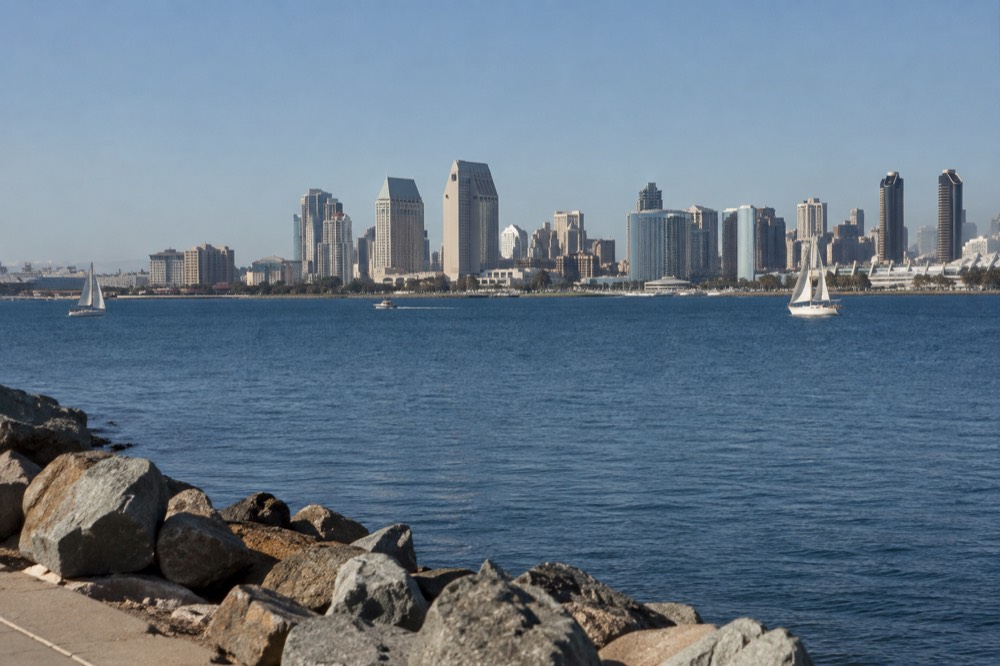
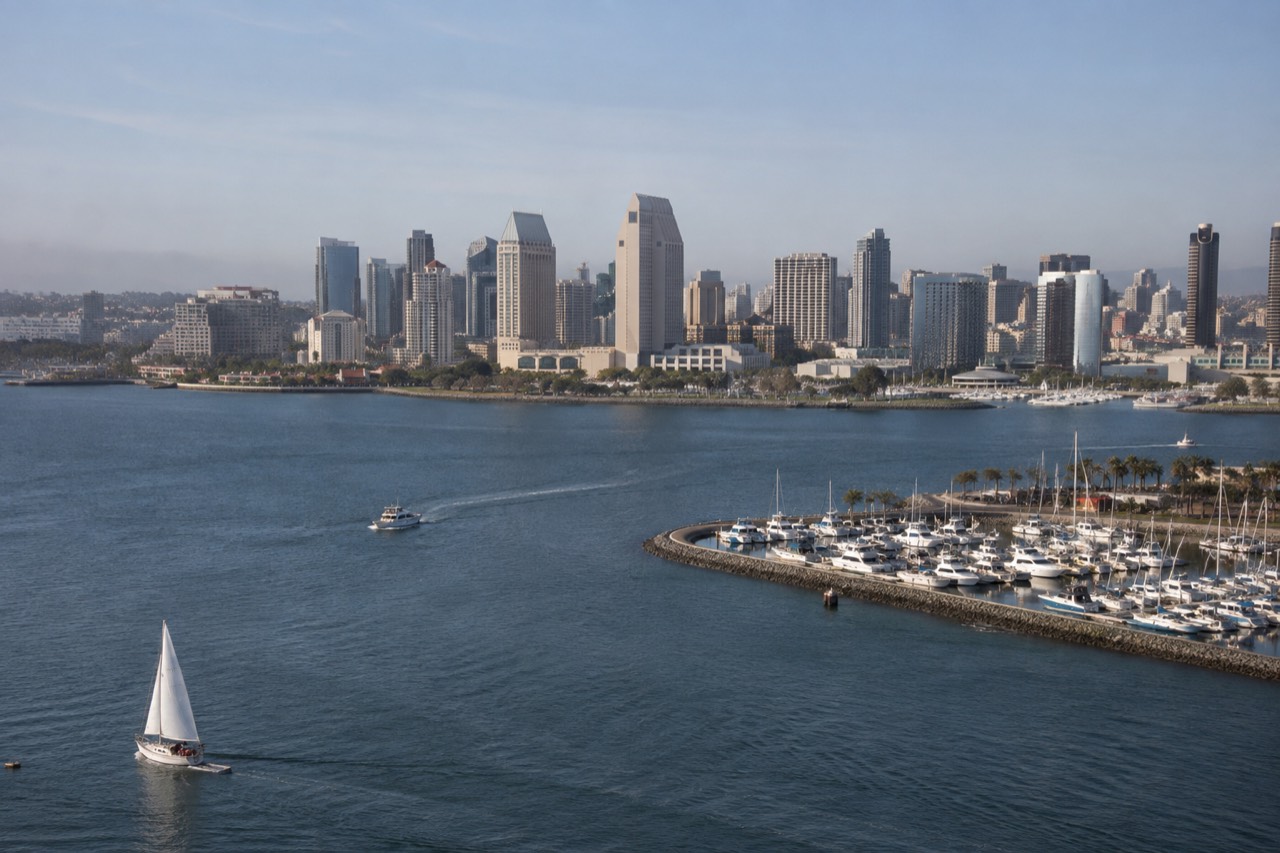
The case for the trip is the contrast. Los Angeles is spread out and car-shaped; San Diego's visitor core is not. Once you are parked or off the train, the USS Midway, Seaport Village, the Embarcadero, the Gaslamp Quarter and Little Italy sit within a walkable band along the bay, and Balboa Park is a short ride north. That density is what makes a single day feel like a real visit rather than a drive-by.
The case against is time. Whatever your feelings about the itinerary, the travel leg eats the edges of the day. Leave Los Angeles at mid-morning and you arrive with half the day gone; leave too late coming home and you hand the evening back to the freeway. The travelers who report the trip as a success are almost uniformly the ones who left early, committed to one area, and accepted that the rest waits for a second trip.
There is also a middle path worth naming: turn the day trip into an overnight. San Diego's hotel occupancy runs high and rates reflect that, but a single night converts a rushed day into a relaxed one and lets you see the city after dark, when the Gaslamp and Little Italy are at their best. If the return drive sounds like the worst part of the plan, it usually is, and an overnight is the honest fix.
How Do You Get from Los Angeles to San Diego for the Day?
Driving is the most common choice and the most schedule-sensitive: the route runs a couple of hours each way in light traffic and considerably longer at peak, so the departure time matters more than the route. The train is the stress-free alternative, arriving near the downtown core without a parking problem. Inter-city buses are the budget option. All three work; the decision is really about whether you want a car once you arrive.
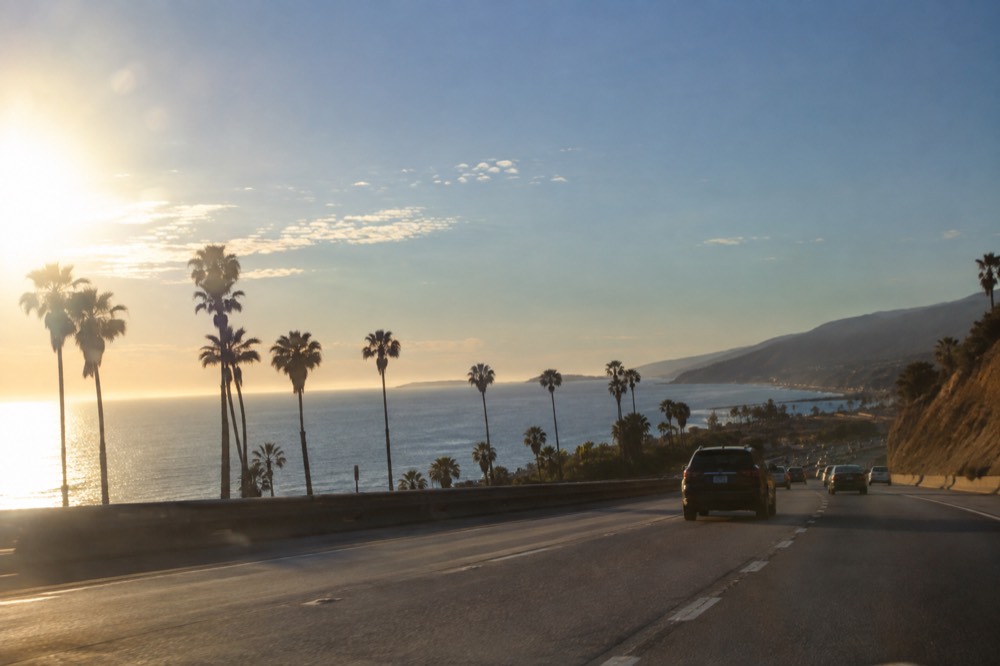
The drive south is straightforward, and the practical advice is about timing rather than directions. Leave Los Angeles early, before the morning peak builds, and you arrive with the whole day in front of you. The return is the trap: leaving San Diego between 4 and 7 pm puts you into the thick of southbound-then-northbound flow, and travelers who instead have dinner in San Diego and leave after the peak routinely save themselves an hour of stop-and-go. Parking downtown is metered at $2.50 per hour with enforcement generally running Monday to Saturday, 8 am to 6 pm, and Sunday is no longer free everywhere in the commercial zones, so read the posted signs rather than assuming.
The train removes the parking question entirely and drops you within walking distance of the waterfront core. It is the option we would point most visitors toward for a strict one-day trip: you can read, nap or work on the leg down, and the arrival point puts you at the Trolley interchange, where the Blue, Green and Orange lines meet. From there the whole city is transit-reachable, and as the fare chart on the MTS site shows, a one-way ride is $2.50 and a day pass is $6.00, with fare capping on the PRONTO card meaning you never pay more than the day-pass value anyway.
Buses run the corridor too and cost the least, at the price of the longest travel time and the least flexibility on the return. They suit the traveler whose budget is the binding constraint and whose itinerary is a single fixed stop rather than a wandering day.
If you are weighing the car against the train, the real question is what you want at the far end. A car helps if your day leans toward La Jolla, Sunset Cliffs or Point Loma, the places transit reaches slowly or not at all. It is a liability downtown, where you will pay to park it and move it. Our getting around San Diego guide breaks the transit network down stop by stop if you want the full picture.
| Option | Best for | The catch |
|---|---|---|
| Drive | La Jolla, coastal stops, flexible returns | Peak traffic both ends; downtown parking costs and time limits |
| Train | Stress-free downtown day, no parking | Fixed departure times; slower for coastal itineraries |
| Bus | Tight budgets | Longest leg, least schedule flexibility |
What Should You Actually Do with One Day in San Diego?
Anchor the day on the waterfront and Balboa Park, or on La Jolla, and do not attempt both. The strongest single-day route is the Embarcadero and USS Midway in the morning, Balboa Park after lunch, and the Gaslamp or Little Italy for dinner before the return leg. That sequence is walkable-plus-one-transit-ride, hits the sights San Diego is genuinely known for, and leaves you within minutes of the train when the day ends.
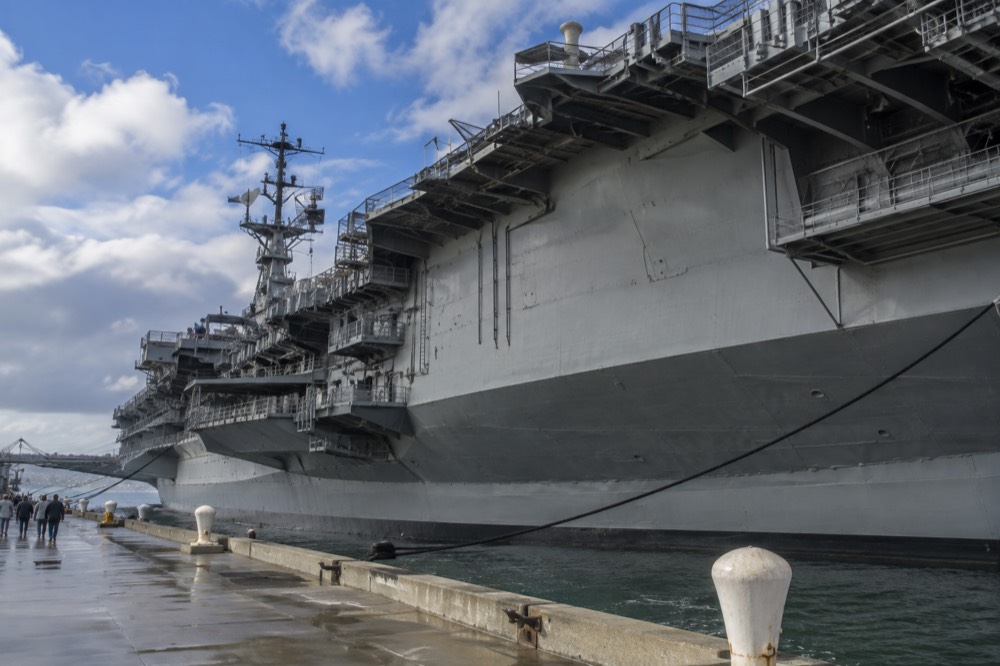
Start on the Embarcadero. The USS Midway is the anchor most visitors remember, and the numbers matter for a day trip: admission is $39 online for adults and $41 at the door, with last admission at 4 pm and the museum open 10 am to 5 pm daily except Thanksgiving and Christmas. Buying online saves a few dollars per ticket and, more importantly on a tight day, saves the queue. The flight deck alone justifies the better part of two hours, and the harbor views from the bow are the best free panorama on the waterfront.
From the Midway, the walk south past the maritime museum ships and toward Seaport Village is the natural connective tissue of the morning. If your day leans coastal instead, the alternative anchor is La Jolla: the Cove, the sea caves and the village walk make a half-day that feels nothing like Los Angeles, and our La Jolla Cove guide covers the walking routes. But choose. The visitors who try to see La Jolla and the downtown core in one day from Los Angeles spend the middle of their day in a car.
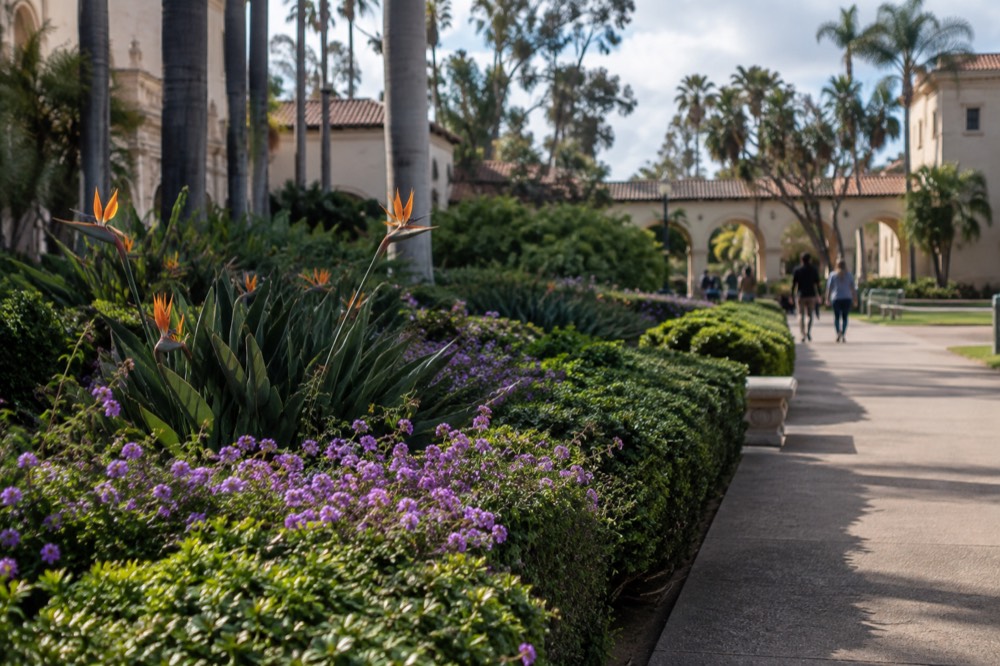
Balboa Park is the afternoon. It is a short ride north from downtown, and the grounds themselves, the gardens, the Botanical Building and the Lily Pond, the open promenades, cost nothing. Two paid stops inside the park suit a day trip: the San Diego Zoo, where adult admission runs $76 on Any Day tickets and $73 on Value Days bought online, and the cluster of museums, most of which sell tickets only at the gate rather than through this site. If the Zoo is on your list, it is realistically a half-day by itself, so it pairs with a lazy morning rather than the Midway route.
The evening belongs to dinner, and the geography favors the Gaslamp Quarter and Little Italy, both walkable from the downtown core and both at their best after the day-trippers have gone. Eating before you leave is not just pleasure, it is strategy: it pushes your return leg past the traffic peak and turns the drive home into a calmer one. Our best restaurants in San Diego guide is the deeper list if you want to book ahead.
| Time | Stop | Why it works |
|---|---|---|
| Morning | Embarcadero and USS Midway | Arrive before crowds; online tickets skip the booth line |
| Midday | Seaport Village, then transit north | Free stroll, lunch, one short ride to the park |
| Afternoon | Balboa Park grounds, Zoo or a museum | Grounds are free; pick one paid stop and go deep |
| Evening | Gaslamp or Little Italy dinner | Fills the time before the return leg clears |
How Do You Get Around San Diego Without a Car?
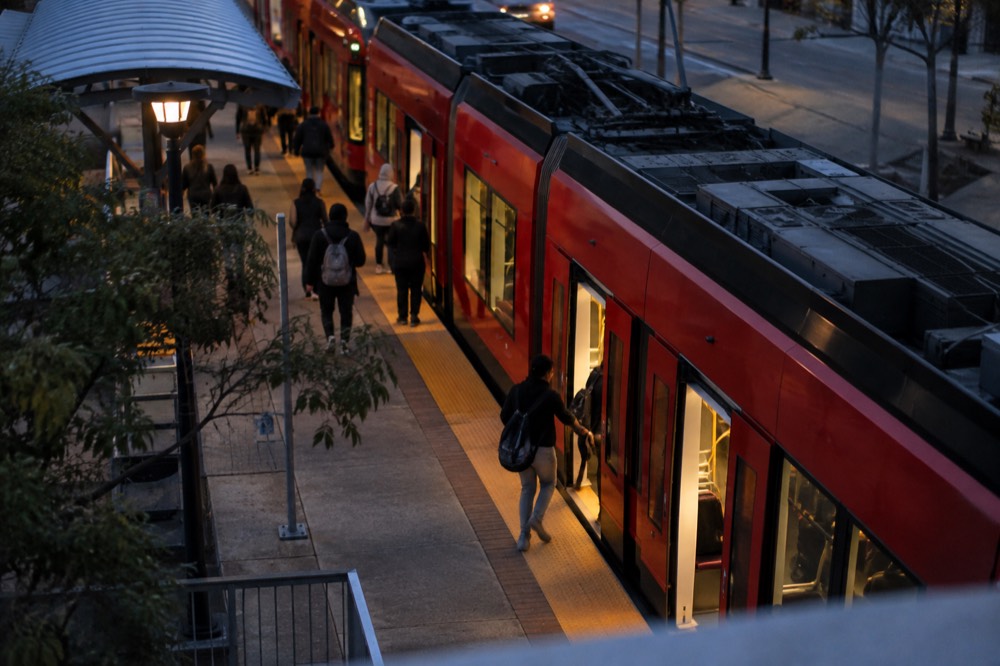
You use the MTS trolley and buses, and the fare math is simple: $2.50 per one-way ride with two-hour transfers, or a $6.00 day pass, on a system whose PRONTO card caps fares automatically so you never need to buy the pass up front. The trolley's Blue, Green and Orange lines cover downtown, Old Town, the border and Mission Valley, and the buses fill the coastal gaps. For a downtown-plus-Balboa day, transit is genuinely easier than driving.
The detail that surprises visitors is fare capping. Load money on a PRONTO card or the app, pay as you ride, and once your one-way fares in a day reach the day-pass value the system simply stops charging you; the fare chart on the MTS site states this plainly as a day pass earned. Buying a day pass in advance is a waste of two dollars of thinking time. Contactless bank cards work too, but they are one-way only and do not cap, so the card or app is the better tool for a multi-ride day.
The hop-on hop-off narrated trolley is the tourist-layer alternative, and for a one-day visitor from Los Angeles it earns its keep in a specific way: it connects the Embarcadero, the Gaslamp, Balboa Park and Old Town on a loop with commentary, which is exactly the shape of the standard day-trip itinerary, and the ticket is valid for two days, so a delayed return costs you nothing.
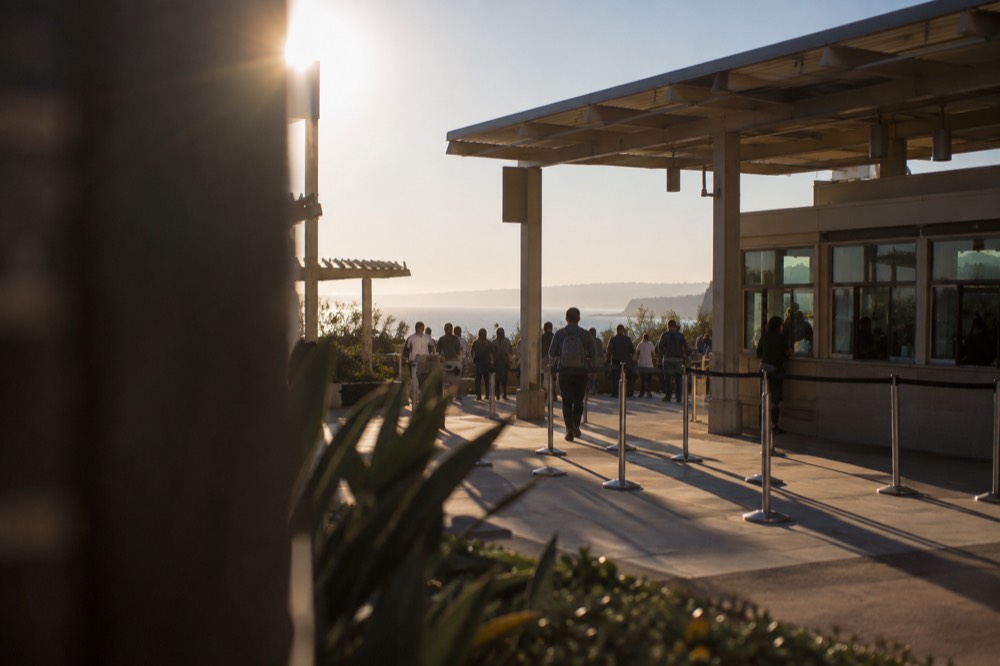
For a transit day, the honest limits are the coast and the hills. La Jolla, Sunset Cliffs and Point Loma are reachable but slow by bus, and Cabrillo National Monument at the tip of Point Loma is a real commitment without a car, though the entrance fee of $20 per vehicle suggests most arrivals there are driving anyway, and the National Park Service fee page confirms walk-in entry is $10 per person. If those are on your list, the car wins; if your day is the bay and the park, leave the keys at home.
What Does a Los Angeles to San Diego Day Trip Cost?
Counting admission for one major attraction, transit, and food, a solo traveler can run the day for roughly $100 to $150 on the ground before the travel leg, and the biggest single variable is the attraction choice: Zoo admission at $76 dominates a Midway-first day at $39 online. A pair traveling on transit with one paid attraction each lands somewhere near $200 to $250 on the ground. The travel leg, fuel or train fare, sits on top of those figures.
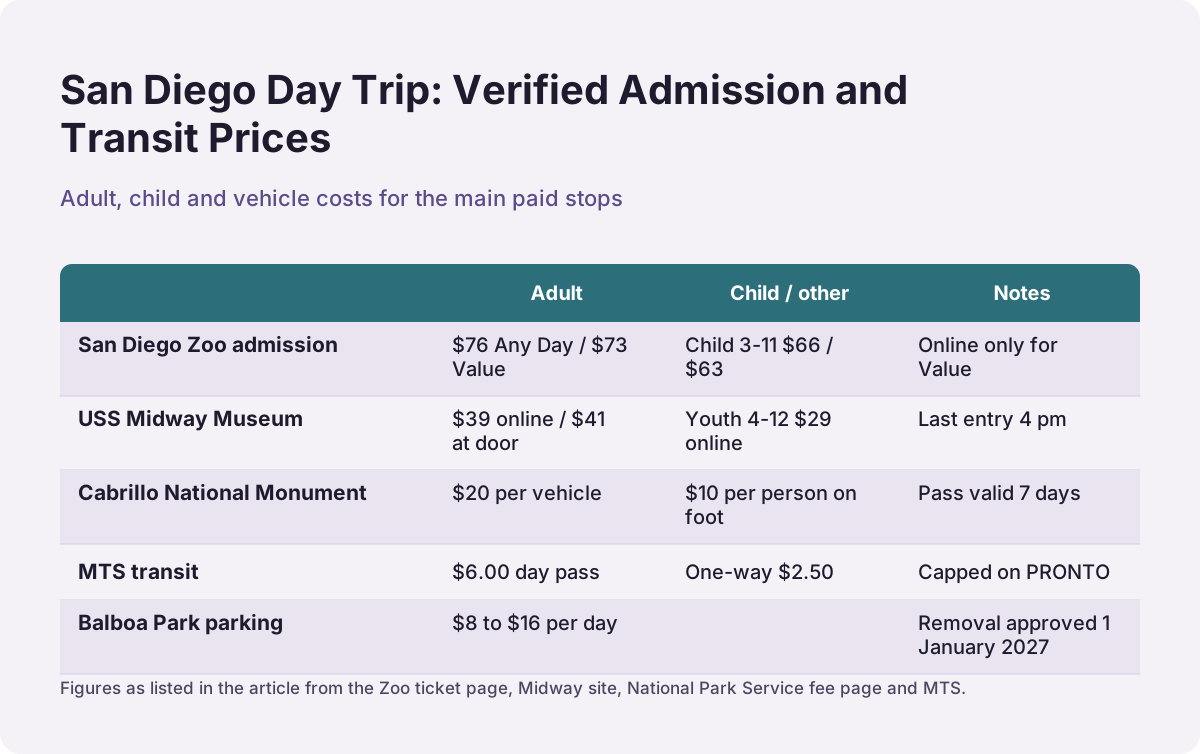
The verified figures make the planning easy. The Zoo's own ticket page lists $76 adult Any Day, $73 Value Days online, and $66 for children 3-11. The Midway is $39 online, $41 at the door, with veterans at $26 and children 3 and under free. Cabrillo is $20 per vehicle or $10 per person on foot. Transit is $2.50 a ride or a capped $6.00 day. Museum entry in Balboa Park varies by venue, with the San Diego Museum of Art at $25 adult and youth 17 and under free, and the Natural History Museum at $24.95 adult; several park museums, including Fleet Science Center and the Air and Space Museum, are bought at the gate rather than online.
| Item | Adult cost | Notes |
|---|---|---|
| San Diego Zoo admission | $76 Any Day / $73 Value | Child 3-11 $66 / $63, online only for Value |
| USS Midway Museum | $39 online / $41 at door | Youth 4-12 $29 online; last entry 4 pm |
| Cabrillo National Monument | $20 per vehicle | $10 per person on foot or bike; pass valid 7 days |
| MTS day pass | $6.00 | Capped automatically on PRONTO; one-way $2.50 |
| Balboa Park grounds, gardens | Free | Botanical Building and Lily Pond free |
Two levers pull the day's cost down hard. The first is timing: Value Day Zoo tickets and off-peak everything reward the flexible. The second is choosing free weight: the Balboa Park grounds, the Embarcadero walk, Seaport Village's waterfront and the Sunday organ concerts at Spreckels Pavilion, free at 2 pm every Sunday year round, together make a genuinely good day that costs almost nothing on the ground. Our cheap things to do in San Diego and free things to do in San Diego guides extend that list considerably.
One warning that belongs here rather than buried: Balboa Park's paid parking situation is changing. Paid parking runs $8 to $16 per day in the park lots now, but the City Council has approved removing it entirely on 1 January 2027, so any parking advice you read anywhere, including older articles, may already be stale. Check the current state before you plan around it.
When Is the Best Time of Year to Make the Trip?
Any month works, because San Diego's climate is the steadiest of any big American city, but the local secret is that September is the real summer: its normal high of 77.2F beats July's by almost two degrees and the ocean is near its annual peak, yet September is the quietest month at the city's headline monument. Late fall and winter bring gray whales offshore and thin crowds, and June, counterintuitively, is cooler than October.
The numbers behind that come from the 30-year climate normals, and they upend the assumptions a Los Angeles traveler arrives with. June's normal high is 71.7F, lower than October's 74.6F, because the marine layer locals call May Gray and June Gloom grey the coast in early summer while inland stays clear. If you pick June expecting peak beach weather you can instead get a grey morning that burns off late. August and September are the warm months, and September pairs that warmth with the year's thinnest crowds: Cabrillo National Monument, which takes about 845,000 recreation visits a year, recorded 56,876 recreation visits in September against 83,999 in July across the same period.
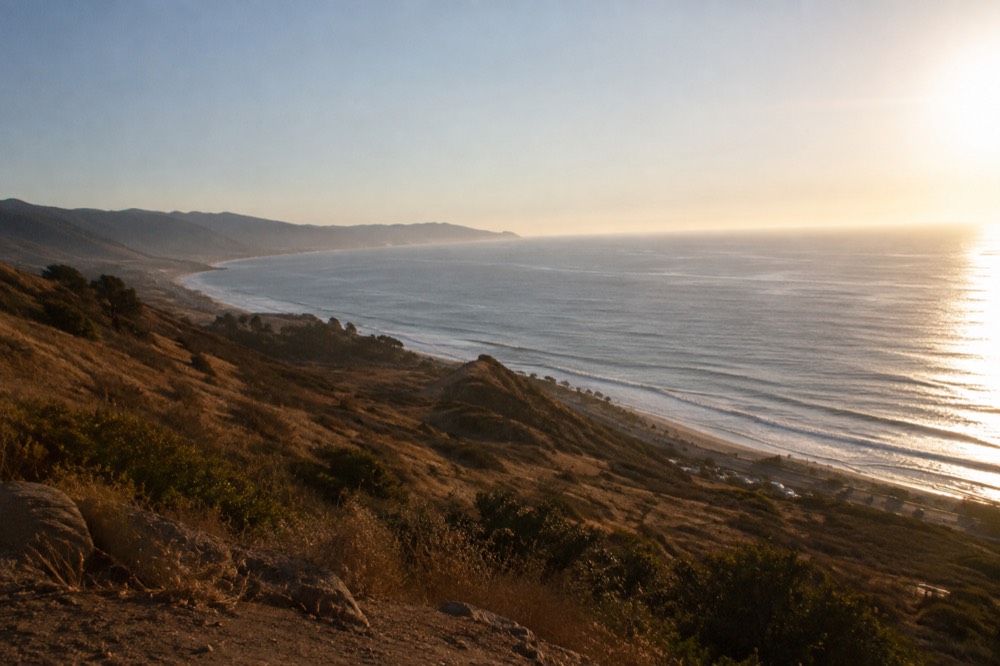
Winter is not a reason to stay home. Rain is a winter phenomenon here, December through March carrying most of the year's inches, but the days between storms are mild, with normal highs in the mid-60s. The winter bonus is the gray whale migration: more than 20,000 gray whales pass offshore each year, most passing San Diego in late December, January and February, with mid-January the peak, per the National Park Service's whale watching page. A winter day trip can pair the city with a whale watch cruise, something the summer version of the trip cannot offer.
The one week to avoid unless you want it is Comic-Con week in late July, when downtown is transformed and the crowds are a feature rather than a bug. Our best month to visit San Diego answer goes deeper on the calendar if you have flexibility.
What If You Want to Turn One Day Into Two?
The upgrade path is real, and it points in two directions: inland to the desert and mountains, or south to the wine country and the border. A second day turns a taste of San Diego into a trip, and the two best second-day moves from the city are Joshua Tree National Park to the northeast and the Guadalupe Valley wine region just across the border, both reachable as organized day tours from San Diego itself, which removes the driving question entirely.
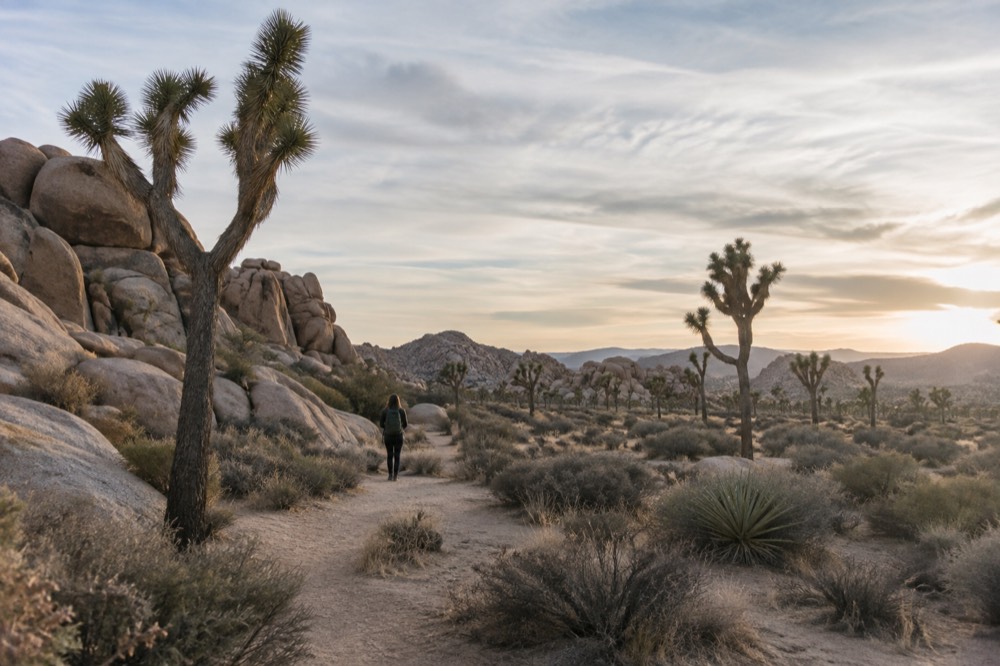
Joshua Tree is the desert day trip that Los Angeles travelers often plan from home and then abandon when the drive math gets ugly. The smarter version is to do it from San Diego: a private ten-hour day tour handles the whole leg, and you spend the day inside the park rather than inside a car. The landscape, the twisted Joshua trees and the giant boulder piles, is unlike anything on the coast, and pairing it with a San Diego city day gives you two completely different Californias inside one trip. Our Joshua Tree guide covers the park itself for the self-drive alternative.
The southern option is wine. The Guadalupe Valley, a short drive south of the border, is Mexico's premier wine region, and a private ten-hour tasting tour from San Diego is the low-friction way into it, with the border crossing handled by a guide who does it daily. Closer to home, Temecula wine country is the domestic alternative, and Julian makes a mountain-and-apple-pie day that pairs well with a second day in the county. The border itself, San Ysidro, is the busiest land crossing in the western hemisphere, so any trip that crosses it deserves a plan and a check of the live wait times rather than an assumption.
And if two days is not on the table, the honest fallback is to lower the ambition of the first day rather than stretch it. A single great afternoon in San Diego, the Midway and a long dinner, beats a twelve-hour marathon that ends in freeway traffic at midnight. The city is close enough to Los Angeles that it will still be there next month, which is exactly why so many LA travelers end up coming back. That repeat-visit pattern is what Things to Do in San Diego is built for, and the San Diego 3-day itinerary is the plan that trip deserves when it happens.
Common Questions About a Los Angeles to San Diego Day Trip
Is a Los Angeles to San Diego day trip worth it?
Yes, as a focused taste of the city rather than a checklist. One day covers the waterfront core plus Balboa Park, or La Jolla, done properly. It cannot cover everything, and travelers who accept that consistently rate the trip higher than those who chase five stops.
How do you get from Los Angeles to San Diego for the day?
Drive early to beat the morning peak, take the train to skip parking entirely, or ride the bus on a budget. The train arrives at the downtown Trolley interchange, where a $6.00 capped day pass covers the rest of the day on MTS buses and trolleys.
What should you actually do with one day in San Diego?
Anchor on the Embarcadero and USS Midway in the morning, Balboa Park in the afternoon, and dinner in the Gaslamp or Little Italy before the return leg. The Midway opens at 10 am with last admission at 4 pm; online tickets are $39 against $41 at the door.
How do you get around San Diego without a car?
MTS trolley and buses, with a $2.50 one-way fare and a $6.00 day pass that PRONTO fare capping earns automatically. The trolley covers downtown, Old Town and Mission Valley; the coast is slower, so La Jolla and Point Loma days favor a car.
What does a Los Angeles to San Diego day trip cost?
Roughly $100 to $150 on the ground for a solo traveler before the travel leg, with Zoo admission at $76 the dominant line. A transit-and-Midway day runs far lighter, and the free layer, Balboa Park's grounds, the Embarcadero and Seaport Village, is genuinely good.
When is the best time of year to make the trip?
September: it is nearly the warmest month, 77.2F normal high, with the ocean near its annual peak and the thinnest crowds of the season. Winter brings gray whales from mid-December through March, and June is cooler and greyer than most visitors expect.