San Diego Zoo Tickets, Hours, Parking and Tips
The San Diego Zoo sits inside Balboa Park and holds more than 3,500 animals across 100 acres, but the details that make or break a visit are the ticket tiers, the parking charge introduced in 2026, and the timing. Here is what the official sources say.
Short answer
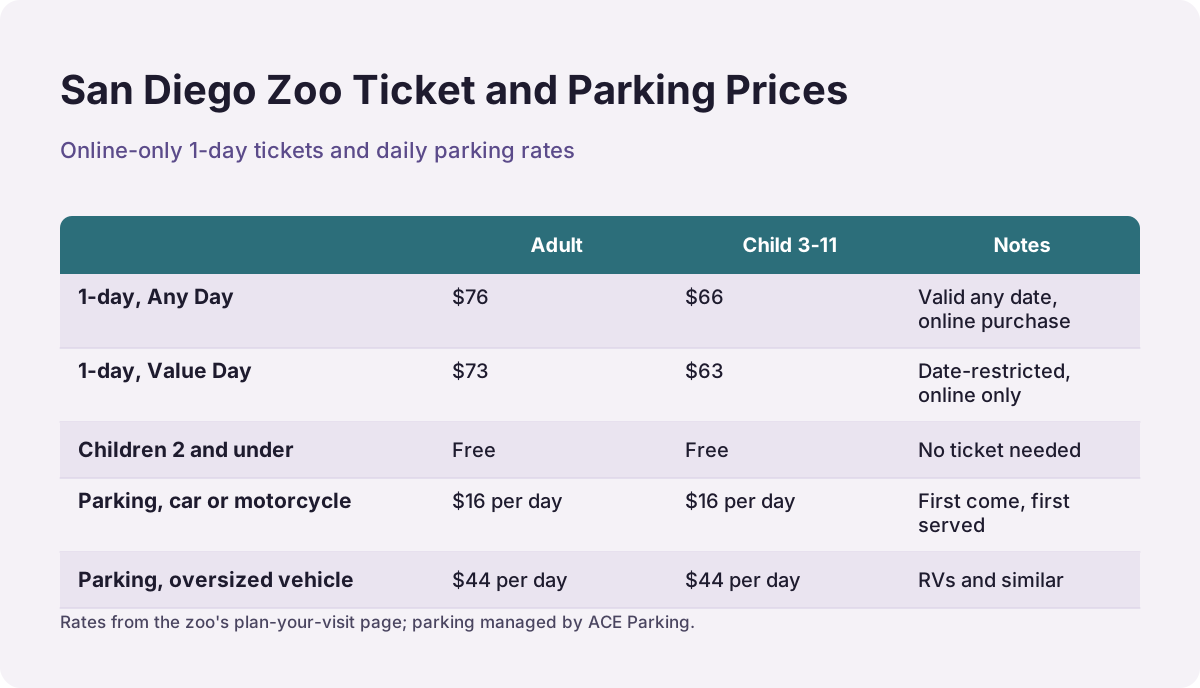
A 1-day adult San Diego Zoo ticket is $76 on Any Days and $73 on Value Days, bought online; children 3-11 pay $66 or $63. Hours are 9:00 am to 6:00 pm. Parking costs $16 per vehicle per day and is first come first served. No timed entry or reservation is required.
The San Diego Zoo is the single most visited paid attraction in a city built around its coastline, and it earns that on the strength of its animal collection rather than rides or shows. It sits inside Balboa Park, which means a zoo day can double as a gardens-and-museums day without moving the car. It also means the zoo's new parking charge, the Balboa Park lot rates, and the free park tram all interact in ways the official pages explain separately and a visitor has to assemble alone.
This page assembles them. Every price and hour below comes from the zoo's own ticketing and visit pages, the City of San Diego's parking page, and the pass operators' published terms. Where something is genuinely unknowable in advance, like crowd size on a given Saturday, it says so instead of guessing.
How Much Are San Diego Zoo Tickets?
A 1-day adult ticket is $76 on Any Days and $73 on Value Days, both online-only purchases; children 3 to 11 pay $66 and $63, and children 2 and under enter free. Value Days are the zoo's own name for the cheaper, date-restricted ticket, so if your dates are flexible the calendar on the official ticket page is where the savings live. No timed entry or reservation is required at the gate.
The two-tier system rewards planning. Any Day tickets work whenever you show up; Value Day tickets lock you to a date the zoo has priced lower, usually weekdays outside school holidays. The zoo's ticket page is the only place that shows which dates carry which price, and it is worth opening before you pick your day rather than after. The official ticket page also lists add-ons like the guided tour and the animals-in-action experience, which are sold separately from admission.
One thing the zoo is not: included in the Balboa Park Explorer Pass. The Explorer covers 16 Balboa Park cultural venues and the zoo is deliberately outside it, so anyone combining the zoo with the park's museums should price the two separately rather than assume a bundle exists.
| Ticket | Adult | Child 3-11 | Notes |
|---|---|---|---|
| 1-day, Any Day | $76 | $66 | Valid any date, online purchase |
| 1-day, Value Day | $73 | $63 | Date-restricted, online only |
| Children 2 and under | Free | Free | No ticket needed |
| Parking, car or motorcycle | $16 per day | $16 per day | First come first served, ACE Parking |
| Parking, oversized vehicle | $44 per day | $44 per day | RVs and similar |
If a pass makes sense for your itinerary, the arithmetic is in the multi-pass section below. For a single zoo day with one or two people, the Value Day ticket bought online is usually the cheapest clean path, and a prebooked admission through the zoo ticket product on our roster works the same way at the gate.
What Are the San Diego Zoo's Hours, and When Should You Arrive?
The zoo is open 9:00 am to 6:00 pm, and the best arrival time is 8:45 am, fifteen minutes before the gates open, because the first hour inside is the quietest the park will be all day and the big animals are most active before the midday heat. The last admission is effectively the closing time since there is no timed entry, but exhibits begin winding down before 6:00 pm.
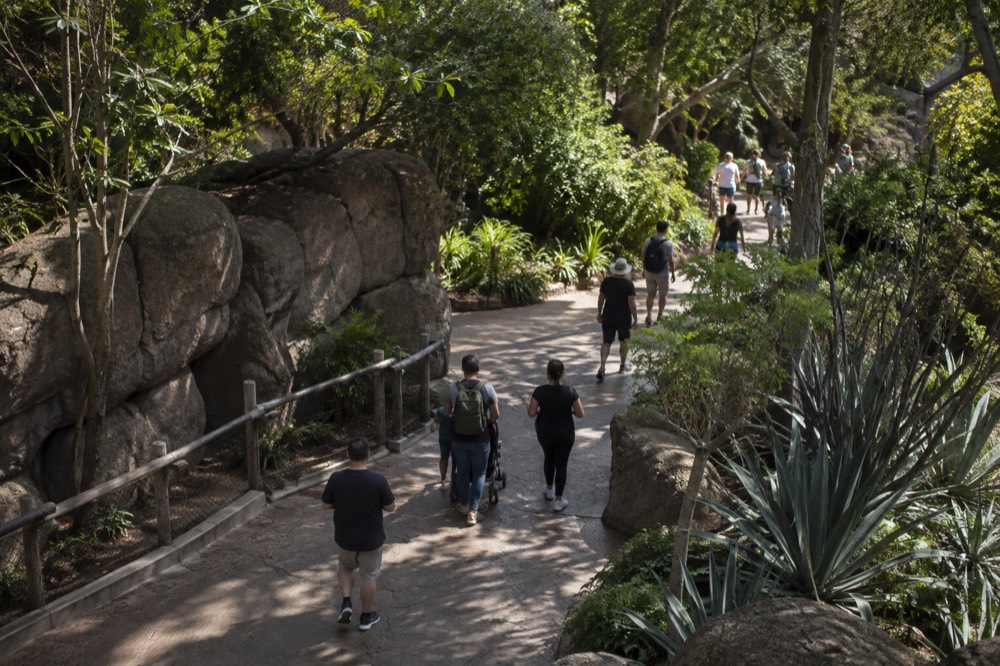
Arriving early also beats the parking crunch, which peaks between 10:30 am and 1:00 pm on weekends. The 9-to-6 window holds across the year, but the experience inside it shifts with the seasons. In summer the last two hours are the most crowded and the least rewarding: the walking loops are hot, the pandas and koalas are asleep, and the queue for the aerial tram is at its longest. The zoo's own visit guidance points people toward the morning, and it is right. Locals treat a zoo morning and an afternoon elsewhere, often the harbor or a beach, as the standard summer split.
The counterintuitive pick is September. The zoo's parent organization runs Cabrillo National Monument's visitation data through the National Park Service, and across 2022 to 2024 September was the lowest-visit month at Cabrillo even though San Diego's normal September high, 77.2F, actually beats July's. School is back in session, the weather is the warmest of the year, and the crowds thin accordingly. If your dates are flexible, the first three weeks of September are the best zoo conditions San Diego offers.
For a full itinerary built around this timing, our San Diego 3-day itinerary slots the zoo into a first morning with Balboa Park's free grounds around it, and the first time in San Diego guide covers the same logic for shorter trips.
How Much Is Parking at the San Diego Zoo?
Parking costs $16 per vehicle per day for cars and motorcycles and $44 for oversized vehicles, first come first served with no reserved spots, a charge that began on January 5, 2026 and is managed by ACE Parking on the zoo's lots. There is no in-and-out privilege, so a midday exit to Balboa Park means paying again on return. The zoo lot is the only place near the park where you can rely on finding a space at any price.
The free Balboa Park tram does not serve the zoo lot, which is a detail that surprises visitors who assume the park's transit network reaches it. The charge is also new enough that a lot of older advice online still says the zoo is free to park, and that advice is now wrong. The zoo's own plan-your-visit page states the rate plainly, and the official visit page is the source to trust over any guide written before 2026.
The Balboa Park context matters because the zoo sits inside it. The City of San Diego's parking page shows Balboa Park's own lots charging non-residents $10 to $16 a day depending on the level, with residents paying less after registering online in advance. That paid parking is itself time-boxed: City Council has approved removing paid parking from Balboa Park entirely on January 1, 2027, so any advice about those lots, including this paragraph, has an expiry date. The zoo's $16 charge is separate and is not part of that removal.
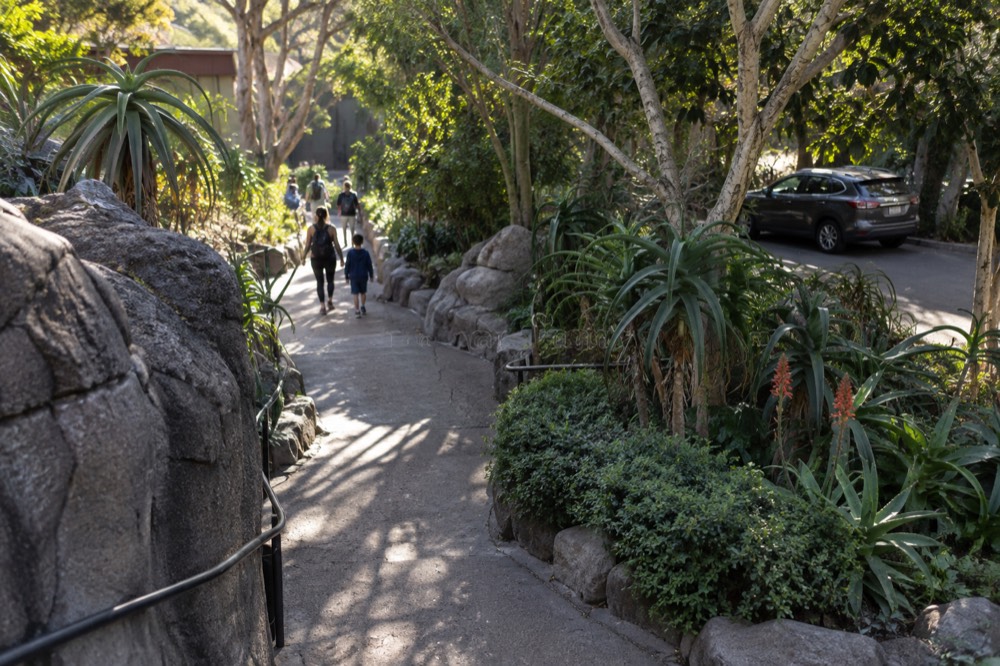
The honest alternatives, since parking is the biggest practical question a San Diego visitor has and nobody earns a commission on the answer:
| Option | Cost | Trade-off |
|---|---|---|
| Zoo lot | $16/day car, $44 oversized | Closest, guaranteed space, no in-and-out |
| Balboa Park lots | $10-$16/day non-resident | Shorter walk or tram ride, paid until Jan 1, 2027 |
| MTS bus or Trolley plus walk | $2.50 one-way, $6 day pass | Cheapest, some transfers, see getting-there section |
| Rideshare drop-off | Meter rate varies | Curbside at the entrance, no parking fee |
If you are pairing the zoo with the rest of Balboa Park, park once in a park lot, do the zoo in the morning, and use the free park tram, which runs 8:00 am to 8:00 pm, for the museums and gardens afterward. That avoids the double payment entirely. Our full parking in San Diego guide covers downtown meters and the beach neighborhoods if the zoo is one stop on a wider driving day.
Which Animals and Exhibits Should You Not Miss?
The four exhibits that justify the ticket price are the Giant Panda habitat, the koalas in the Outback area, the Elephant Valley herd, and Africa Rocks, which stacks penguins, lemurs and baboons along a single hillside walk. If you only have a half day, do those four in that order and skip the rest. The pandas are the signature draw and the line forms early, so they should be your first stop after the 9:00 am opening.
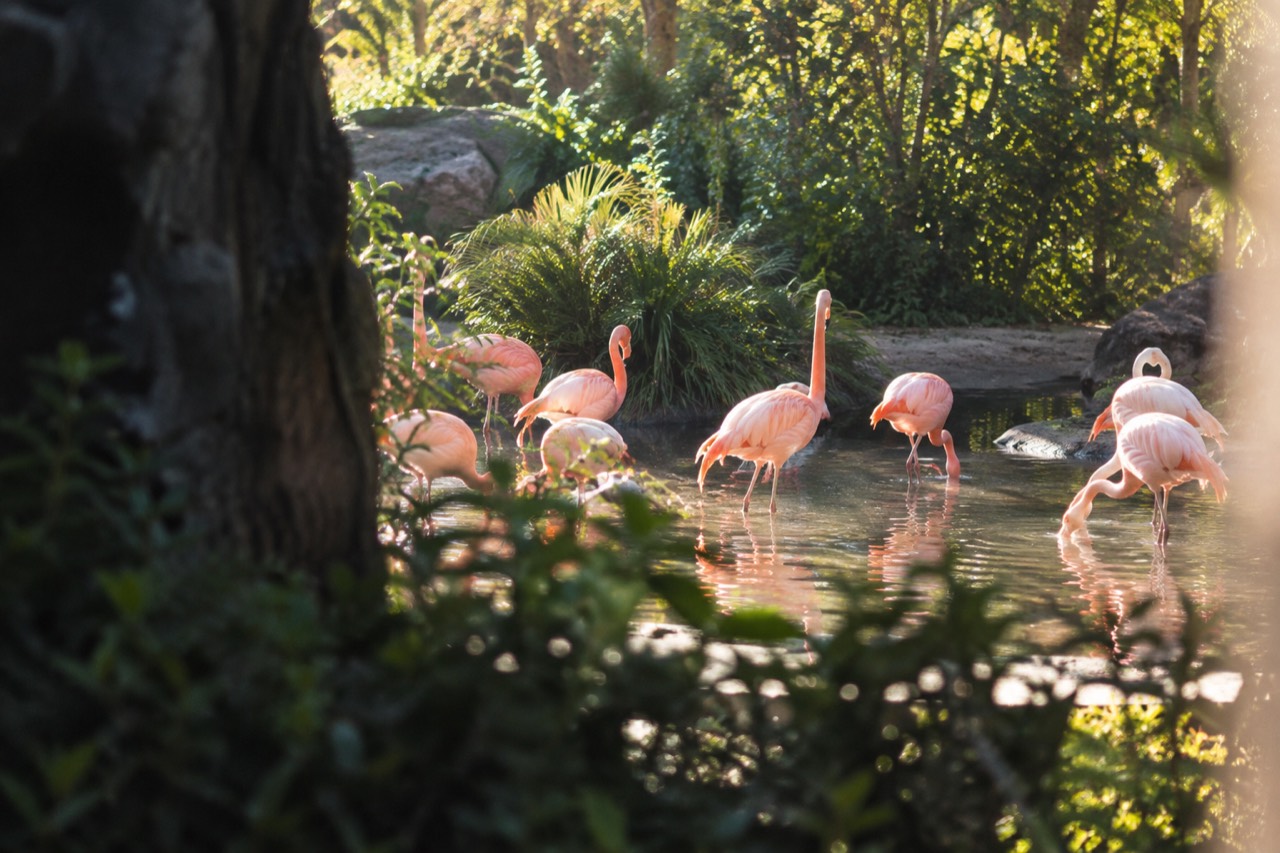
The aerial tram is worth riding in one direction only, downhill, after your legs have done the work. The zoo's layout is a loop system through hilly terrain, and the order you walk it in matters more than most visitors expect. The entrance sits at the bottom of the main valley; Africa Rocks and the panda habitat climb the far side. Walking the loop counterclockwise puts the steepest climbs early while energy is high and brings you back down past the flamingos and ducks near the exit. Families with strollers, which the zoo rents, should note that the Africa Rocks grade is the one section where pushing uphill in afternoon heat is genuinely unpleasant.

The koala exhibit is the zoo's oldest claim to fame and remains one of the largest koala colonies outside Australia. The animals sleep most of the day, but the viewing angle is close enough that even a sleeping koala photographs well. The reptile house and the insect house, both near the entrance, are the standard hot-weather refuges and make good midday stops when the outdoor loops get uncomfortable.
For younger children, the San Diego with kids itinerary balances the zoo against the beaches and the Safari Park, and the zoo's own schedule of keeper talks, published daily at the entrance, is the best way to catch feeding times without planning around them in advance.
San Diego Zoo or Safari Park: Which Is Right for You?
The San Diego Zoo is the right choice for a single-visit family with one day and no car patience: it is inside the city, walkable, and packs the highest species count into the smallest footprint. The Safari Park, in Escondido, is the right choice if you have a full day, a car, and a preference for open-range habitats. They are different experiences run by the same organization, and the two-visit pass prices them as a pair.
The practical differences are stark. The Safari Park's general parking is $20 per vehicle, above the zoo's $16, and its hours run shorter, around 9:00 am to 5:00 pm seasonally. Its signature experiences, the tram caravan through the field exhibits, take longer than anything at the zoo. The zoo, by contrast, is reachable by public transit and sits inside Balboa Park's free grounds, so a zoo day can be a half-day.
| Factor | San Diego Zoo | Safari Park |
|---|---|---|
| Location | Balboa Park, central | Escondido, ~40 min drive |
| Parking | $16 car / $44 oversized | $20 general / $55 oversized |
| Hours | 9:00 am - 6:00 pm | ~9:00 am - 5:00 pm, seasonal |
| Best for | Species variety, transit access, half days | Open-range habitats, full-day trips |
| 2-visit pass | Adult $128, child $118 | Same pass, either park twice |
The 2-visit pass, at $128 adult and $118 child against a combined list price of $152 and $132, is the honest answer for anyone staying a week who intends to do both. For everyone else, the deeper comparison, including the crowd and terrain differences, is in our San Diego Zoo vs Safari Park guide, and the ticketing detail for the Escondido park is on the Safari Park page.
How Do You Get to the Zoo Without a Car?
The zoo is one of the few major San Diego attractions you can reach cleanly by transit: several MTS bus routes stop at the zoo and Balboa Park entrances, a one-way fare is $2.50 and a day pass is $6.00, and the PRONTO card or app caps your rides automatically so there is no reason to buy a day pass up front. From downtown the ride is under 20 minutes.
The zoo's position inside Balboa Park means the free park tram connects the zoo entrance to the park's museum zone once you are inside the park. The fare mechanics are worth understanding once. PRONTO, the region's fare system, costs $2 for a physical card or nothing in the app, and it applies fare capping: the official fare chart reads "Day Pass Earned" once your individual rides total the day-pass value. Contactless bank cards work on board but do not cap, so a visitor making three or more rides should use PRONTO rather than tapping a credit card. The MTS fare chart publishes the full table including reduced fares for seniors 65+ and youth with ID.
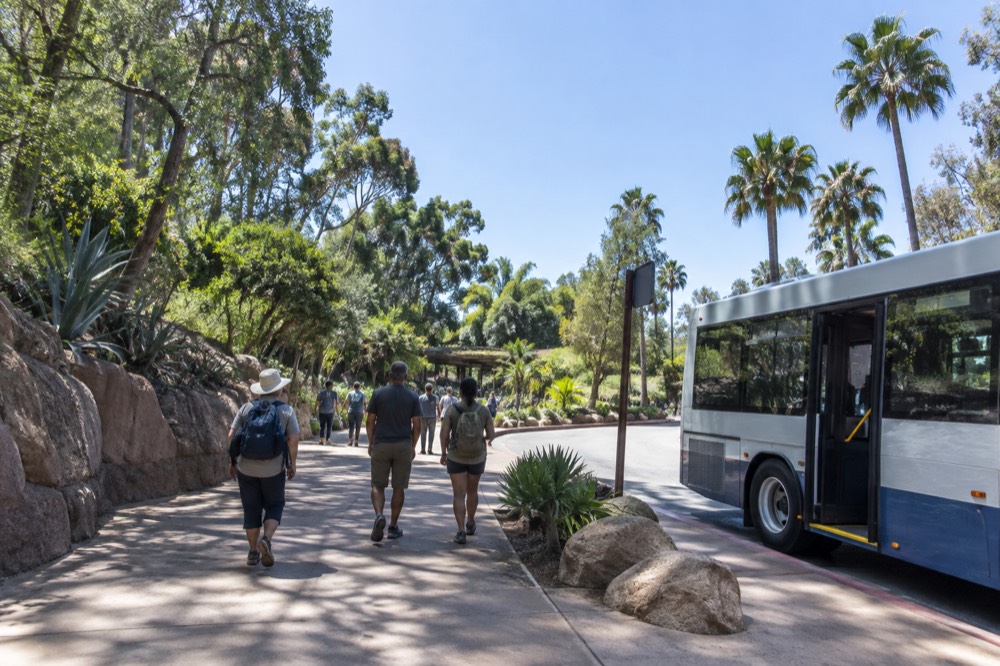
Rideshare is the middle option and a reasonable one for the zoo specifically, unlike the beach neighborhoods where parking is the whole problem. Drop-off is curbside at the zoo entrance plaza, and pickup zones are signed. For visitors staying downtown without a car, the getting around San Diego guide covers the Trolley lines and the airport connections that make a car-free zoo day straightforward.
If a car-free trip is the plan, the narrated hop-on trolley is the other car-free sightseeing layer worth knowing about, since its route ties the zoo and Balboa Park to the harbor and downtown stops on a two-day ticket.
Do the Multi-attraction Passes Pay Off at the Zoo?
The San Diego CityPASS and the Go City San Diego pass both include the zoo, and the CityPASS packages, from $169 adult for SeaWorld plus three choices, beat gate prices for anyone doing three or more of the covered headline attractions. The Go City standard All-Inclusive tier does not include the zoo at all, only the more expensive Plus tier does, and that distinction is the single most common pass mistake in San Diego. A zoo-only visitor should buy none of them.
The pass landscape splits cleanly. CityPASS sells fixed packages: SeaWorld plus three choices, LEGOLAND plus three choices, or both parks plus three choices, with the choices drawn from the zoo or Safari Park, the USS Midway, the harbor cruise, Birch Aquarium, the trolley tour and the Maritime Museum. It is valid nine consecutive days from first use with a $2 processing fee per ticket. Go City's All-Inclusive pass, at $99 adult for one day, covers around 39 attractions but excludes the zoo, the Safari Park, SeaWorld and LEGOLAND; the Plus tier at $149 adds exactly those.
| Pass | Includes the zoo? | Adult from | Best for |
|---|---|---|---|
| CityPASS SeaWorld + 3 | Yes, as a choice | $169 | SeaWorld day plus zoo plus two more |
| CityPASS LEGOLAND + 3 | Yes, as a choice | $186 | LEGOLAND families doing 4-5 stops |
| Go City All-Inclusive | No | $99 | Midtown museums and harbor, not the zoo |
| Go City All-Inclusive Plus | Yes | $149 | Big-itinerary visitors doing the majors |
| Zoo + Safari Park 2-visit | Both parks | $128 | Zoo and Safari Park only |
The arithmetic only works with volume. A zoo ticket, a Midway ticket and a harbor cruise bought separately will usually undercut any pass; add SeaWorld or LEGOLAND and the pass pulls ahead. The full breakdown, including the CityPASS processing fee and the reservation requirements in the My CityPASS app, is in our Go City San Diego pass guide and the San Diego Zoo tickets guide.
What Should You Know Before You Go?
Bring water and arrive fed rather than planning around the zoo's restaurants, which are crowded and priced for a captive audience. Rent a stroller or wheelchair at the entrance if the hills are a concern, because the terrain is the zoo's hidden difficulty. Check the day's keeper-talk schedule at the gate rather than planning around feeding times in advance, and do not expect to combine the zoo with the Balboa Park museums in one day.
The zoo alone fills five or six hours at a comfortable pace. A few smaller things the official pages state and the crowd advice misses: the zoo allows outside food, which most visitors do not know. The zoo's grounds are part of Balboa Park's botanical landscape, so the walk itself, the canopy and the planted gardens, is genuinely good and costs nothing beyond the ticket you already hold. The free things nearby are real: the Botanical Building and Lily Pond, the Timken Museum, and the Sunday organ concerts at Spreckels Pavilion, all covered in our free things to do in San Diego guide, make a zoo afternoon extendable without another paid stop.
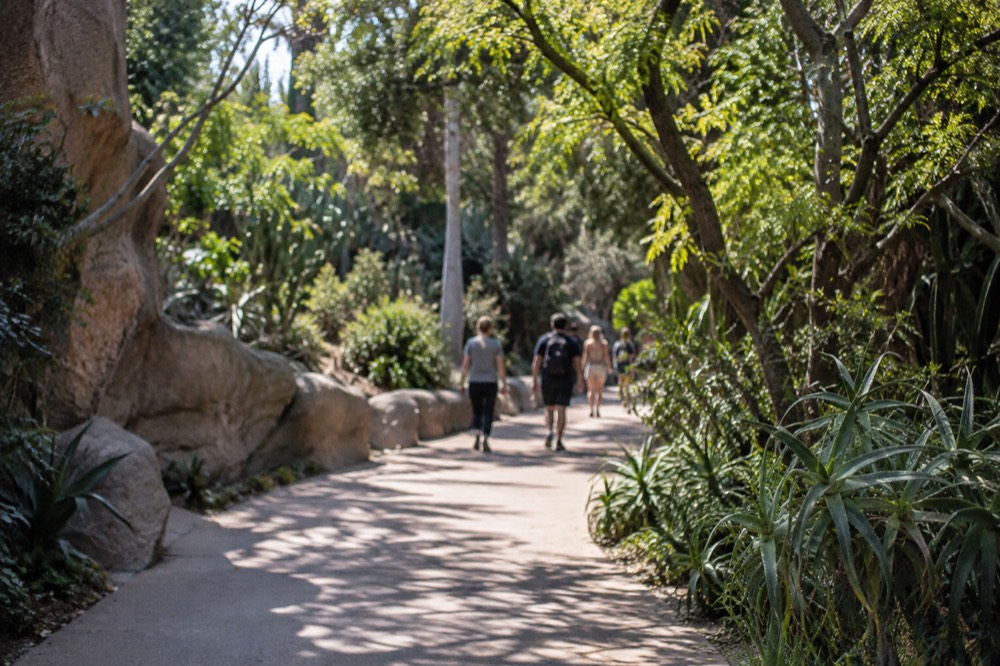
Weather planning should follow the marine layer, not the calendar. June's normal high in San Diego, 71.7F, is lower than October's 74.6F, because the coastal fog locals call May Gray and June Gloom keeps mornings grey into early summer. The zoo sits inland of the beach strip by only a few miles, so a grey June morning at the zoo is normal and usually burns off by 11:00 am. August and September are the warm, clear months, and September is the quiet one.
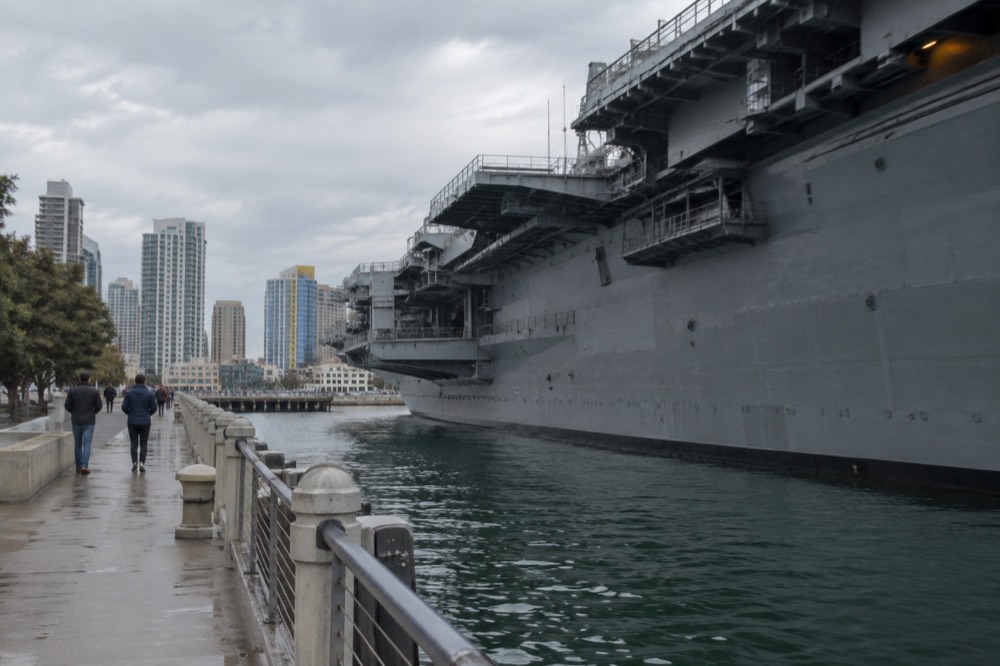
For visitors extending the day, the harbor is the natural second stop: the zoo's morning, then the Embarcadero's aircraft carrier in the afternoon, is the classic San Diego pairing that Things to Do in San Diego builds most of its first-visit itineraries around.
If the zoo is one stop on a bigger trip, the wider options worth weighing are the theme-park day at LEGOLAND California for younger families, or the Alpine sanctuary visit for travelers who want the animals-in-open-space experience at a smaller scale than the Safari Park.
Common Questions About the San Diego Zoo
How much are San Diego Zoo tickets?
A 1-day adult ticket is $76 on Any Days and $73 on Value Days, online only, with children 3-11 at $66 and $63. Children 2 and under are free. There is no timed entry or reservation requirement.
How much is parking at the San Diego Zoo?
Parking is $16 per vehicle per day for cars and motorcycles and $44 for oversized vehicles, first come first served, managed by ACE Parking. The charge began January 5, 2026. There is no in-and-out privilege.
What are the San Diego Zoo's hours?
The zoo is open 9:00 am to 6:00 pm. Arriving fifteen minutes before opening gets you the quietest hour of the day, and the pandas and koalas are most active in the first two hours.
Is the San Diego Zoo included in the Balboa Park Explorer Pass?
No. The Explorer Pass covers 16 Balboa Park cultural venues and deliberately excludes the zoo. Price the zoo separately when planning a Balboa Park day.
Can you get to the San Diego Zoo by public transit?
Yes. Several MTS bus routes serve the zoo and Balboa Park entrances, with a $2.50 one-way fare and a $6.00 day pass. The PRONTO card or app caps fares automatically, so there is no reason to buy a day pass up front.
Which is better, the San Diego Zoo or the Safari Park?
The zoo for species variety, transit access and half-day visits; the Safari Park for open-range habitats and full-day trips with a car. The 2-visit pass, $128 adult, is the honest option if you plan to do both.