How Much Are Dump Fees in San Diego?
How landfill and transfer station fees work in San Diego County, what drives the bill, and how to pay less for a clean-up run.
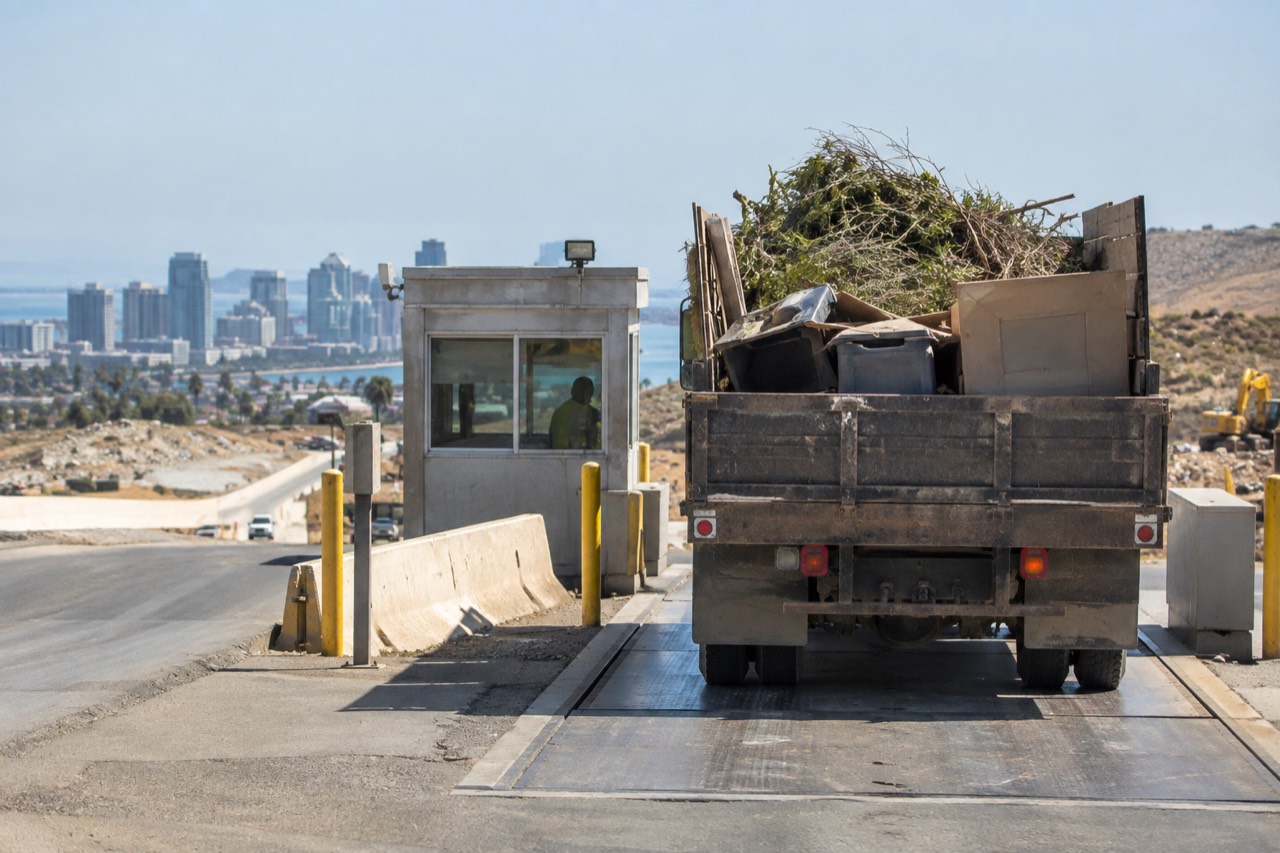
how much are dump fees in san diego? That is the honest starting point: there is no single number, because San Diego area landfills and transfer stations bill by weight, and the rate depends on the facility, the material and the size of the load. The city's environmental services department publishes the current fee schedule for its own facilities, and [private transfer](https://kiwitaxi.tpk.ro/edm1cxmM) stations set their own rates, so the only accurate price is the one on the facility's own page or posted at the scale house. What you can count on is the structure: a per-ton rate, a minimum charge for small loads, and surcharges for special items.
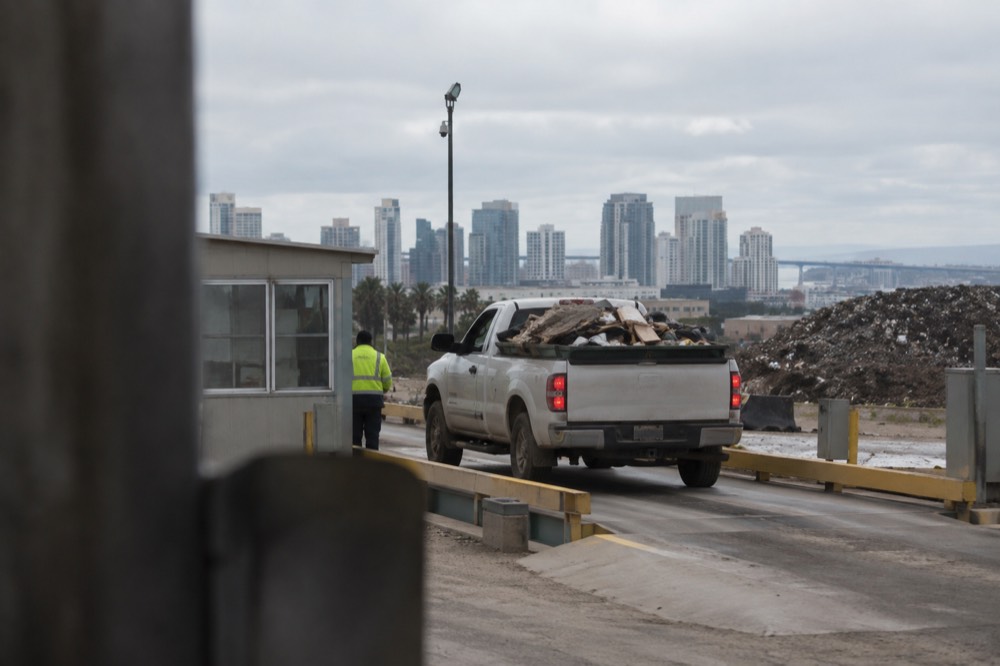
The question sounds purely local, and mostly it is. But it comes up for visitors more often than you would think: people finishing a renovation on a rental, clearing out a storage unit at the end of a long stay, or tidying a vacation property before handing back the keys. If that is your situation, the practical answer is the same one locals get. Weigh your options before you drive, because the difference between a well-planned run and a sloppy one is often the difference between one trip and three.
What Actually Determines the Price of a Dump Run?
Three things set the bill: the weight of the load, the type of material in it, and which facility you choose. Public facilities bill per ton with a minimum charge for light loads, private transfer stations set their own rates, and items like tires, appliances and construction debris usually carry per-item surcharges on top.
Weight is the big one. You drive onto a certified scale, the load is weighed, you dump, and the vehicle is weighed again on the way out. The difference is your billable weight. That is why a pickup truck with a few bags of household junk is not billed as "a truck load" but as a few hundred pounds, rounded up to whatever the facility's minimum charge covers. The minimum is what most people actually pay on a small residential run, and it is the number to ask about when you call ahead.
Material comes second. Clean green waste, like branches and leaves, is often billed at a lower rate than mixed trash because it can be composted instead of landfilled, and many facilities run separate, cheaper lanes for it. Construction and demolition debris is a category of its own. Tires, refrigerators, televisions and household hazardous waste each follow their own rules, and some are banned from the general pile entirely and must go to designated drop-off points, several of which are free for households.
| Factor | Why it changes the bill | What to do about it |
|---|---|---|
| Load weight | Billing is per ton, with a minimum for light loads | Combine trips; one full load beats two half loads |
| Green waste vs mixed trash | Compostable material is often billed cheaper | Separate branches and yard clippings before you load |
| Special items | Tires, appliances and TVs carry per-item surcharges or separate drop-off | Pull them out and check the facility's item list first |
| Facility choice | Public and private sites set different per-ton rates and minimums | Compare the published schedules before driving |
| Sorting at the scale | Mixed loads lose any discounted rate | Keep metal, green waste and trash in distinct piles |
Facility choice is the third lever, and the one people overlook. A public landfill run by the city or county typically publishes a fee schedule anyone can read, while private transfer stations, the indoor facilities that consolidate loads and truck them out, price for convenience and speed. Neither is automatically cheaper. A transfer station closer to your house can cost less than the landfill once you count fuel and time, especially for a heavy load in a borrowed truck.
If your clean-up day is one item on a longer list of things to do in the city, it is worth building the rest of the day around it. A two-day narrated trolley ticket lets you park once and see downtown, Balboa Park and the waterfront between errands, and the USS Midway sits right on the Embarcadero if you want a proper payoff for a morning of hauling. Here are three ways to spend that reclaimed day:
Where Do You Take a Load in San Diego, and How Do the Facilities Differ?
San Diego County offers three practical routes: a public landfill, a private transfer station, or a junk removal service that hauls for you. Public sites bill by weight off a published schedule, transfer stations are faster and pricier per load, and full-service haulers quote a flat price based on volume, which is the most expensive route per pound but the least work.
The public route is the one most locals mean when they say "the dump." The City of San Diego operates its landfill under environmental services, and the county runs sites serving the wider region, with residency rules that matter: city facilities are generally for city residents and their contractors, and proof of residency may be asked for at the gate. The fee schedule is published, and the scale house applies it mechanically. Expect to tarp or otherwise secure your load, because uncovered debris on a public road is a citation risk that costs far more than the dump fee.
Transfer stations are the middle option. They are privately operated, they take almost anything a household produces, and they are usually open longer hours in more convenient locations. The trade-off is price: you are paying for the consolidation step, not just the disposal. For a heavy load of mixed debris, the per-ton arithmetic can still work out, so it is worth calling with a rough weight estimate before choosing.
The third route is doing nothing at all. Junk removal services quote by volume, load your debris themselves, and bill a flat rate regardless of weight. That flat rate is the most expensive way to move a pound of trash, but for a couch, a mattress and a broken patio set it removes the entire question of renting a truck, and many will sort recyclables and donations out of the load for you.
| Route | Best for | Watch out for |
|---|---|---|
| Public landfill | Heavy loads, green waste, city residents with a truck | Residency checks, secured-load rules, limited hours |
| Private transfer station | Convenience, odd hours, mixed household loads | Higher per-load pricing than the public scale |
| Junk removal service | Furniture, mattresses, no vehicle of your own | Flat quotes cost more per pound than self-hauling |
| Donation and buy-back first | Usable furniture, scrap metal, e-waste | Condition standards; not everything is accepted |
One habit saves more money than any of the above: donate and divert before you dump. Furniture in usable condition, scrap metal and working electronics all have takers in the county, and several charity and recycling operations will take items a landfill would charge you a surcharge to bury. A load shrunk by half is a bill shrunk by half.
How Can You Cut the Cost of a Dump Run?
Sort the load into green waste, metal and mixed trash before you leave, combine trips so you pay one minimum charge instead of several, and move anything donatable or recyclable off the pile first. Those three moves routinely cut a residential dump bill more than any choice between facilities, because discounts reward separation and minimums punish small loads.
Start with separation. Green waste in one pile, metal in another, everything else last. Facilities price these streams differently because they end differently, and a mixed pile forfeits every discount. It costs ten minutes with a tarp and some gloves, and the scale attendant can see the difference at a glance.
Then beat the minimum. If your load is a few hundred pounds and the minimum charge covers half a ton, you are paying for weight you did not bring. The fix is patience: hold the run until the pile is genuinely full, or coordinate with a neighbor doing the same clean-up and split a single trip. Two minimum charges become one.
Finally, check the free lanes before you pay anything. Household hazardous waste, paint, batteries and electronics have designated collection points in the region, and several accept residential quantities at no charge because dumping them in the general pile is illegal. Paying a surcharge to bury something a free program would have taken is the most avoidable mistake in the whole exercise.
Do Visitors Ever Need to Care About Dump Fees?
Rarely, but for real: long-stay visitors, rental owners and people finishing a renovation in San Diego do end up at a scale house, and the rules are the same for them as for locals. A short vacationer producing normal trash never touches a landfill bill, because lodging handles it, and the only visitor-facing version of this problem is a big clean-up at the end of a stay.
The practical cases are narrow. A family clearing out a grandparent's garage in Point Loma, a remote worker discarding furniture before leaving a month-long rental, an owner turning over a vacation property in La Jolla or Coronado. If you are in one of those seats, the earlier sections apply to you directly, and the residency question is the one to settle before you drive: confirm the facility serves your address, or route to a private transfer station where anyone can dump.
Everyone else can file this under useful local knowledge and move on to better things. The money question for a visitor in San Diego is rarely the landfill; it is parking, tickets and how to see the most neighborhoods in the time you have. The free park tram in Balboa Park, the MTS day pass with its fare-capping PRONTO card, and the harbor cruise network all move you around for less than most people expect, and none of them require a truck.
If a clean-up day is on your itinerary, pair it with something that makes the drive worthwhile. The hop-on hop-off narrated trolley ticket is valid for two days, so a morning spent hauling can end with an afternoon hopping on and off through downtown, the Gaslamp Quarter and the park without moving your car again.
For the rest of the visit, the usual planning pages do the heavy lifting: the getting around San Diego guide covers the trolley and bus system, the parking in San Diego guide explains the meter rules downtown, and free things to do in San Diego keeps the budget intact between errands. The Things to Do in San Diego homepage rounds up the full attraction list if the clean-up turns into a proper trip.
Common Questions About How Much Are Dump Fees in San Diego?
how much are dump fees in san diego?
There is no flat fee. San Diego area facilities bill by weight, at a per-ton rate with a minimum charge for small loads, and the exact figures live on each facility's own published fee schedule. Public and private sites set different rates, so the accurate price is the one posted at the scale house or on the operator's page for the day you go.
Do I need to be a San Diego resident to use the dump?
City-operated facilities generally serve city residents and their contractors, and proof of residency may be requested at the gate. County and private transfer stations have their own service areas, several of which are open to anyone. If you are not sure your address qualifies, call the facility or use a private transfer station, which accepts loads from anyone.
What items cost extra at a landfill?
Tires, appliances, mattresses and electronics are the usual surcharge categories, and several of them, along with paint, batteries and household chemicals, are banned from the general pile entirely and must go to designated drop-off points instead. Several of those designated programs take residential quantities at no charge, so it pays to check before you load them.
Is a junk removal service cheaper than hauling it myself?
Per pound, no. Full-service haulers quote a flat price by volume, and that flat rate is the most expensive way to move a pound of debris. What you buy is the absence of a truck rental, the loading labor and the drive, which for furniture and mixed household junk can be worth it. For heavy, dense loads like construction debris, self-hauling to a scale is usually far cheaper.
How can I pay less for a dump run?
Sort the load into green waste, metal and mixed trash before you leave, because separated streams are billed at lower rates and mixed loads forfeit every discount. Combine trips so one minimum charge covers the whole clean-up instead of several, and pull out anything donatable or recyclable first. Those three moves matter more than which facility you pick.