What Is the Rarest Animal at San Diego Zoo?
The San Diego Zoo does not publish an official rarest animal, but rarity at a zoo comes in two forms. Here is how to think about it, and how to actually find the shy ones on your visit.
Ask ten zoo visitors what the rarest animal at the San Diego Zoo is and you will get ten different answers, because the zoo itself has never published an official ranking. That is the honest starting point. What the zoo does have is one of the largest living collections in the world, a conservation arm that breeds critically endangered species behind the scenes, and a habit of rotating animals on and off public exhibit. Rarity at a zoo is therefore two different questions, and this article takes them both seriously: which animals are rarest on Earth, and which animals are hardest to actually lay eyes on during a visit.
What Is the Rarest Animal at San Diego Zoo?
No animal holds the official title, because the San Diego Zoo does not publish a rarest animal designation, and no primary source names one. Any page that declares a single winner is inventing certainty. The honest answer is that rarity splits into two categories: species that are critically endangered in the wild, some of which live at the zoo as part of recovery programs, and animals that are simply rarely on exhibit, whether because they sleep through visiting hours or because they live in off-view breeding facilities.
The zoo's parent organization, the San Diego Zoo Wildlife Alliance, runs conservation work that extends well past the public grounds. That matters for this question, because some of the rarest animals under its care are not standing in a habitat waiting for you. They are in managed breeding programs, quarantine, or off-exhibit spaces, and their presence is documented in conservation reporting rather than on a zoo map.
So if you came here for a name, the useful reframe is this: decide whether you are asking which animal is closest to extinction, or which animal you are least likely to see on a Tuesday afternoon. Those are different lists, and the zoo's own materials support the first far better than the second. For the animals you can actually find, the practical advice later in this article, keeper talks, early arrival, and the zoo's own animal pages, will do more for you than any unofficial ranking.
What Does Rare Actually Mean at a Zoo This Size?
Rarity at a major zoo has two separate meanings, and mixing them up is why the internet cannot agree on an answer. A species can be rare because very few survive in the wild, or it can be rare to a visitor because the individual animal is asleep or off-exhibit. A critically endangered species in a spacious habitat can be easy to see, while a common animal that naps all day can be effectively invisible.
Conservation rarity is the version scientists track. The Alliance participates in species survival programs, cooperative breeding efforts across accredited zoos, and field conservation in multiple countries. Animals in these programs are often the rarest creatures in any given collection, and their stories are told in the zoo's exhibits and signage rather than in a single headline animal. The zoo's own conservation pages are the primary source for which species are involved, and they change as programs succeed or wind down.
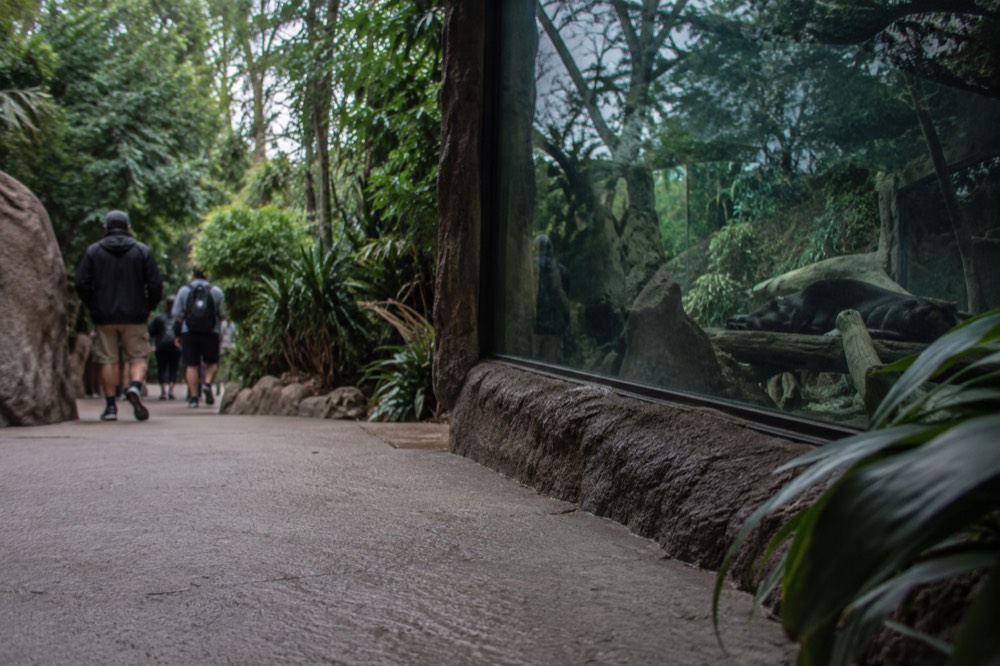
Visitor rarity is the version that frustrates people. Nocturnal animals, deep-water swimmers, and species with large off-exhibit ranges can be genuinely hard to spot even when they are technically on grounds. Big cats sleep much of the day. Some animals are rotated between habitats. And a certain number of individuals at any large zoo are simply not on public display at all on a given morning, which is why two visitors on the same day can leave with completely different impressions of what the zoo "has."
If you are planning a full San Diego animal trip rather than a single zoo morning, it helps to see what else the region offers alongside the zoo, from theme park days to hands-on sanctuary visits:
The zoo is the anchor, but it is not the only place in the county where the question of rarity comes up. The Safari Park in Escondido, run by the same Alliance, holds species in sprawling field exhibits, and a small sanctuary in Alpine gives guided visits of rescued big cats and bears. We come back to both later in this article.
Which Animals Do People Usually Mean When They Ask?
Most people asking this question are really asking about critically endangered species, the animals whose wild populations number in the dozens or low hundreds, and whose survival is tied to human care. The reliable method is to check the zoo's own animal and conservation pages before your visit, note which species are flagged as endangered or part of recovery efforts, and plan your route around those habitats. That list is maintained by the institution and changes honestly over time.
The temptation on the internet is to crown one animal and move on. Resist it. Populations shift, animals move between accredited facilities for breeding, and a species that was down to a few hundred individuals a decade ago may be recovering now. The zoo's signage and its published conservation updates are the only sources that keep pace with that reality, and they are free to read before you buy a ticket.
What you can say with confidence is the shape of the answer. The rarest animals at a zoo of this caliber are usually species that cannot be seen anywhere else in the region, sometimes not anywhere else in the country, and whose wild populations are small enough that every individual matters. Zoos describe these animals in their own terms, and the zoo's app and printed maps mark which habitats hold them.
If your zoo day is part of a bigger San Diego itinerary, a common pairing is a morning or afternoon at the zoo inside Balboa Park and time on the waterfront at the USS Midway Museum, where an entry ticket covers the flight deck and the self-guided audio route.
The Midway is a different kind of rarity, a historic aircraft carrier you can walk through rather than look at, and it sits a short trolley or rideshare trip from the park. It makes a good half-day complement when the zoo crowds build around midday.
How Do You Actually Find the Shy Animals on a Visit?
The three tools that work are arriving early, building your day around keeper talks and scheduled feedings, and checking the zoo's own app or animal pages the week you visit. Animals are most active in the first hour after opening and again in the late afternoon. The zoo opens at 9:00 am and does not require timed entry or reservations, so an early start costs you nothing but willpower and pays off in activity you will not see at noon.
Timing is the single biggest lever. The zoo's hours run 9:00 am to 6:00 pm, and the difference between the 9:00 am animal and the 1:00 pm animal is often the difference between watching behavior and watching a sleeping pile. Feeding schedules and enrichment sessions, which the zoo publishes for the day, pull even the laziest residents into view.
Keeper talks are the second lever. They are included with admission, they happen at specific habitats, and they are where you learn which individuals are on grounds today, which animals are off-exhibit, and what the keepers want you to notice. Ask a keeper about rarity and you will get a better answer than any blog post, because they know which animals in their care are part of breeding programs and which ones just prefer the back of the habitat.
The third lever is the zoo's own digital resources. The animal pages on the official site tell you which species live where, and the maps and app materials mark current habitats. Check them the week of your visit, because animals move. Here is the practical planning picture for the visit itself:
| Planning item | What to know |
|---|---|
| Hours | 9:00 am to 6:00 pm |
| Reservations | None required, no timed entry |
| Adult 1-day admission | $73 on Value Days online, $76 on Any Day |
| Child 3-11 admission | $63 Value Days, $66 Any Day |
| Parking | $16 per vehicle per day, oversized vehicles $44 |
| Best activity window | First hour after opening, late afternoon |
Paid parking at the zoo began in January 2026 and is managed by the city's parking operator, first come first served, so the early arrival advice does double duty for both animals and spaces. If you are weighing a second animal day, the same Alliance runs the Safari Park in Escondido, and our comparison of the San Diego Zoo versus the Safari Park breaks down which experience fits which kind of visitor.
Where Else Near San Diego Can You See Rare Animals?
The two strongest complements are the San Diego Zoo Safari Park in Escondido, which holds large herds and rare species in open field exhibits, and the Lions Tigers and Bears sanctuary in Alpine, a guided-visit rescue facility for big cats and bears. The Safari Park is run by the same Wildlife Alliance as the zoo and sells a 1-day ticket, while the Alpine sanctuary offers a roughly 90-minute guided visit.
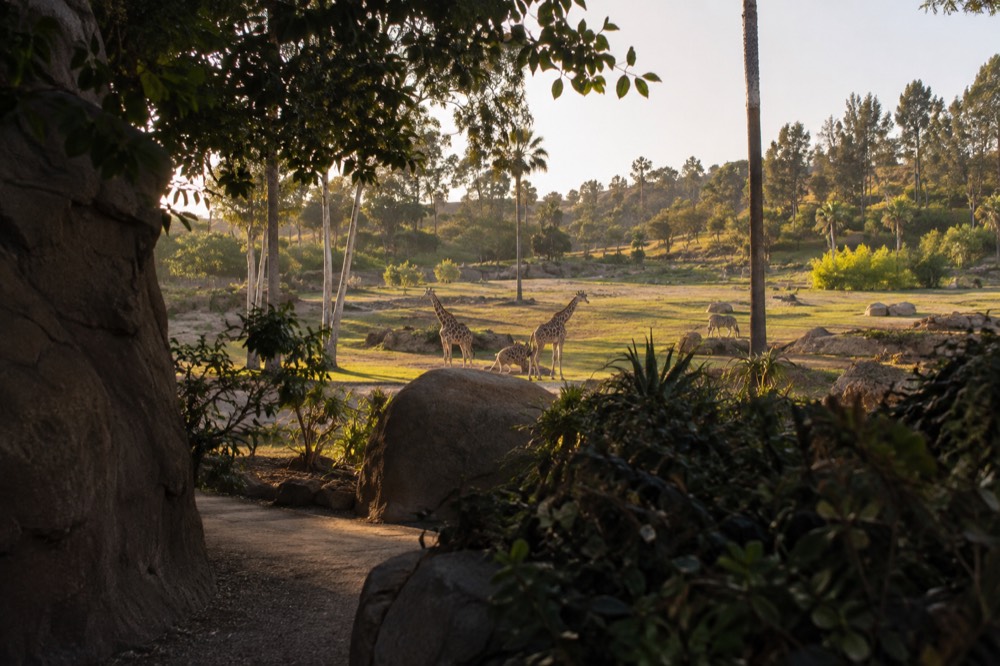
The Safari Park deserves special mention for this question, because its field exhibits put you near species that are rare in the wild and nearly impossible to see anywhere else in North America. A 1-day ticket covers the general grounds, and the park's own pages list which species are in which enclosures. If rarity is your theme, a two-park trip, one day at the zoo and one at the Safari Park, is the most complete answer San Diego can give.
The Alpine sanctuary is a different experience entirely. It is a rescue organization, not a breeding collection, and its guided visits are built around education rather than spectacle. Animals there live out their lives after confiscations and surrenders, and the visit format, small groups with a guide, means you hear each animal's individual story. For a visitor genuinely interested in rare animals and why they need protecting, it is the most direct encounter in the county.
Planning across multiple animal attractions is where a pass can start to make sense. The zoo and the Safari Park sell a combined 2-visit ticket, adult $128 against a $152 list price, valid for a year, and the details are on the official ticketing page. For a fuller walkthrough of what a ticket covers and how to buy it, see our San Diego Zoo tickets guide, and for the park itself start with the main San Diego Zoo guide.
If you are stretching the trip beyond animals, the region stacks well. Families often pair the zoo with a LEGOLAND day up in Carlsbad, and visitors who want a slower waterfront afternoon add the Midway. Here is the short list of pairings worth booking once your zoo day is set:
Whatever you book, keep the zoo morning for the animals themselves. As the team behind Things to Do in San Diego keeps finding, the city rewards early starts, and nowhere is that more true than at the zoo gates at 9:00 am.
Common Questions About the Rarest Animals at the San Diego Zoo
what is the rarest animal at san diego zoo?
There is no official answer. The San Diego Zoo does not publish a rarest animal designation, and the rarest creatures in its care are often in conservation breeding programs rather than on public exhibit. The reliable approach is to check the zoo's own animal and conservation pages before your visit and plan around the species flagged as critically endangered.
Does the San Diego Zoo have animals that are extinct in the wild?
The zoo's parent organization participates in recovery programs for species in severe decline, but which individuals are on grounds changes constantly and the zoo's own pages are the only current source. Do not rely on third-party lists, which go stale quickly and often name animals that have moved to other accredited facilities.
What time of day are the animals most active?
The first hour after the 9:00 am opening and the late afternoon are the most active windows. Keeper talks and scheduled feedings, published by the zoo for each day, concentrate activity further. Midday is when many animals sleep, so an early start matters more than any route planning.
Do I need a reservation for the San Diego Zoo?
No. The zoo requires no timed entry and no reservation, and it is open 9:00 am to 6:00 pm. Parking is $16 per vehicle per day and first come first served, which is one more reason to arrive early.
Is the Safari Park better than the zoo for rare animals?
They are different experiences. The Safari Park's open field exhibits suit large herds and species that need space, while the zoo's denser layout holds a broader collection in walkable proximity. Many visitors do one day at each, and a combined 2-visit ticket is available on the official ticketing page.