What Is the Hottest Club in San Diego?
An honest answer to where San Diego's hottest club scene actually is, how the Gaslamp Quarter works after dark, and how to plan a night out without a car.
What Is the Hottest Club in San Diego?
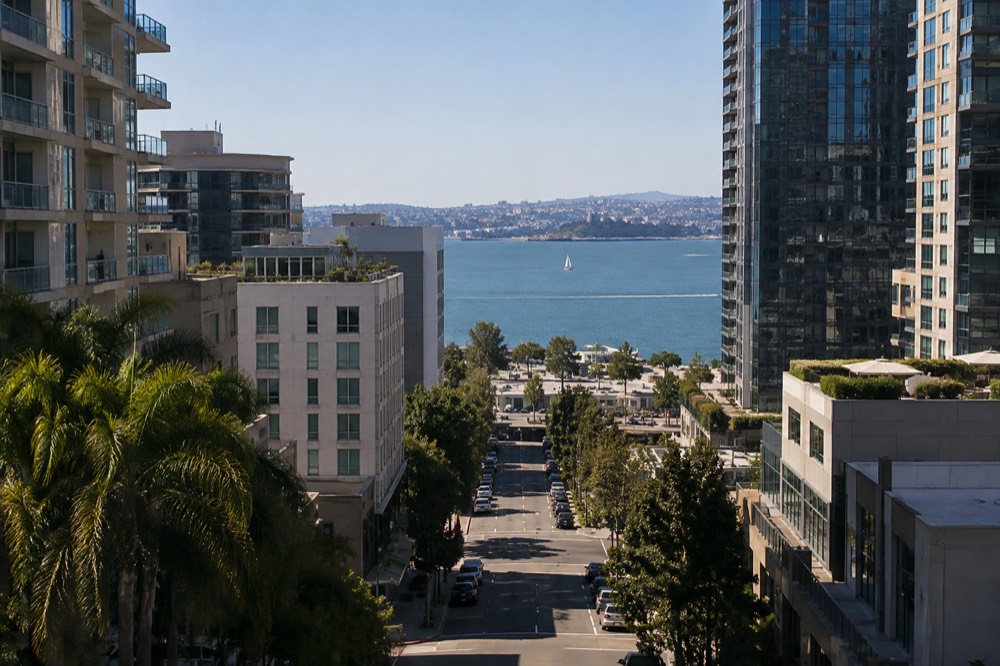
Ask ten San Diegans and you will get ten different clubs, because the honest answer is that no single venue holds that title in any official sense. What is verifiable is where the energy concentrates: the Gaslamp Quarter, a sixteen-and-a-half-block historic district downtown, holds the densest strip of dance floors, rooftops and late-night bars in the county. If one place in San Diego behaves like a club district rather than a collection of scattered venues, this is it, and that is the useful answer.
The question is really two questions wearing one sentence. The first is "which single venue is hottest right now," and that answer changes with the season, the promoter and the weekend. A club that packs a line down the block in July can be quiet by October, and nobody publishes an attendance table that would let a guide honestly rank them. Any site that names one club as the definitive hottest, without a source, is writing marketing copy.
The second question is "where should someone who wants a big night out actually go," and that answer is stable. Downtown San Diego, and the Gaslamp Quarter in particular, is where the city's nightlife concentrates. There is a whole sibling question on this site about where the party area of San Diego is, and the short version of that answer points the same direction: Gaslamp first, then pockets of Pacific Beach and North Park.
So the practical move is not to chase a single name. It is to put yourself in the district where a dozen doors are within a few blocks of each other, so that if one room is dead on the night you visit, the next one is a two minute walk away. That is what the rest of this article helps you do.
Why the Gaslamp Quarter Owns the Club Scene
The Gaslamp Quarter holds the largest continuous concentration of nightclubs, rooftop bars and live-music venues in San Diego, packed into a walkable grid between Fourth and Sixth Avenues along Market Street. That density, not any single venue, is what makes it the default answer to this question. Venues open and close and rebrand, but the district itself has stayed the center of downtown nightlife for decades, and every practical advantage, transit, parking and hotel proximity, reinforces it.
The district works because of geometry. Sixteen and a half blocks of restored nineteenth-century buildings sit directly across from the convention center and a short walk from the Embarcadero, which means thousands of hotel rooms are inside a fifteen minute walk of the club doors. When a convention or a Padres home game lets out, the district fills within the hour. That is why a weeknight during a big event can outpace an ordinary Saturday.
It also works because of variety. Within the Gaslamp you can move from a rooftop with a harbor view to a basement dance floor to a live-music room without hailing a ride. The full Gaslamp Quarter guide on this site covers the district in daylight, including its restaurant scene, which matters here too: the same blocks that feed you dinner at eight are the ones you dance in at midnight.
If you want to see how the district fits into the city before you commit your evening, these three experiences cover downtown from different angles:
The trolley tour in that list is the one that maps directly onto a night out, because its route threads the same downtown blocks you will be walking after dark.
For contrast, here is how the main nightlife districts of the city actually compare for a visitor planning a big night:
| District | The vibe | Best for | The catch |
|---|---|---|---|
| Gaslamp Quarter | Dense, high-energy, dress-code venues and rooftops | Big nights out, dancing, visitors who want everything walkable | Closes early-ish relative to some cities; lines on peak nights |
| North Park | Craft beer bars, dive bars, smaller live rooms | Locals' night out, low pretense | Almost no big dance floors |
| Pacific Beach | Beach bars on Garnet Avenue, casual | Young, loud, flip-flops-acceptable nights | Spread out; driving or rideshare needed |
| Little Italy | Wine bars and restaurant patios | A slower, dinner-first evening | Quiets down well before midnight |
That table is why the Gaslamp keeps winning the "hottest" label by default. It is the only district where the answer to "what if this one is dead" is always "walk one block."
How to Do a Gaslamp Night Without a Car
You do not need a car for a Gaslamp night, and you should not take one: the Trolley's Blue and Orange lines stop at Gaslamp Quarter station at Fifth and Harbor, an MTS one-way fare is $2.50 and a day pass is $6.00, and downtown meters cost $2.50 per hour with enforcement that runs into the evening in some zones. Transit in, rideshare out is the pattern that works.
The station placement is the quiet superpower of this district. The Gaslamp Quarter Trolley stop sits at the southern edge of the club blocks, so a rider coming from Old Town, Mission Valley or even the border at San Ysidro steps off the train within a five minute walk of the doors. Fares are paid through the PRONTO system, a two dollar card or the app, and it caps automatically: once your individual rides add up to the day-pass value, you stop paying. There is no reason to buy a day pass up front.
Parking, if you insist on it, is the expensive and scarce option. Downtown meters run $2.50 per hour, enforcement generally runs Monday to Saturday from 8:00 am to 6:00 pm, and some zones including the downtown Hospitality Zone run to 8:00 pm. Sunday is no longer reliably free everywhere downtown, so posted signs win. The honest advice, which this site's parking in San Diego guide covers in full, is that a garage near the Gaslamp on a Saturday night is a cost you can avoid entirely by taking the Trolley in.
The Hop-on Hop-off Narrated Trolley Tour is a different animal from the MTS Trolley, and the two get confused constantly. The tour is a narrated, two-day sightseeing product that loops downtown, the waterfront, Balboa Park and Old Town on a vintage-style vehicle. Its value for a night-out visitor is reconnaissance: you ride the loop in the afternoon, see where the Gaslamp sits relative to your hotel and the Embarcadero, and get off with a mental map of the blocks you will walk later.
A practical evening shape looks like this: dinner in the Gaslamp or Little Italy around seven, the room you came for by ten, and a rideshare or the last Trolley back when the night ends. Check the MTS schedule for your specific date rather than assuming a late train, because service details shift by line and day.
What a San Diego Night Out Actually Costs
The honest cost breakdown is transit and parking, not cover charges, because no venue's door price on this page has a verified source: an MTS night of Trolley rides runs a few dollars each way, downtown metered parking is $2.50 per hour while it is enforced, and drinks at Gaslamp venues run at downtown-big-city prices rather than beach-shack prices. Budget for the rides, the drinks and the rideshare home, and treat any cover charge as a surprise you ask about at the door.
This site does not print club cover charges or bottle minimums, because those figures move by night, by promoter and by event, and nobody publishes a verified table. What can be said plainly is that the fixed, predictable costs of a downtown night are small. Two Trolley fares and a rideshare home cost less than one hour of downtown garage parking in many cases, and the drinks are the real line item in any budget.
The bigger money question is timing. A Padres home game at Petco Park, which sits at the eastern edge of the Gaslamp, fills the district before and after first pitch, and rooms that are easy to enter at nine on a quiet Tuesday have a line at eleven on a game night. If you are planning around a game, the Petco Park visitor guide explains the ballpark's layout and how it spills into the district.
One cost that is genuinely zero: the walk itself. The Gaslamp's blocks are safe, lit and busy, and walking venue to venue is the whole point of being there rather than somewhere with one big room.
Beyond the Gaslamp: The Other Nightlife Worth Knowing
North Park and Pacific Beach are the two districts that locals put ahead of the Gaslamp for actual fun, North Park for craft beer and dive bars along University Avenue, Pacific Beach for loud, casual beach bars on Garnet Avenue, and neither competes on big dance floors. If your definition of hottest is a megaclub experience, the Gaslamp remains the answer; if it is the best room rather than the biggest scene, the other two districts earn their reputations.
North Park is the beer district. The neighborhood holds one of the densest craft brewery clusters in the county, and the North Park guide and the San Diego breweries guide on this site map it out. Its nightlife skews to smaller rooms, patios and dive bars, and the crowd is more local than visitor. There is a dedicated North Park Beerucation Tour product for visitors who want the district's beer scene explained rather than just sampled.
Pacific Beach is the opposite energy: loud, young and casual, spread along Garnet Avenue a block from the sand. It is the district where a dress code means shoes. The trade-off is geography, because PB's rooms are strung along a corridor rather than clustered, so a night there involves more walking or a rideshare between venues.
Downtown after dark also has quieter corners worth naming. The Embarcadero and Seaport Village sit a short walk from the Gaslamp and give you a lit, calm waterfront walk for the transition between dinner and dancing.
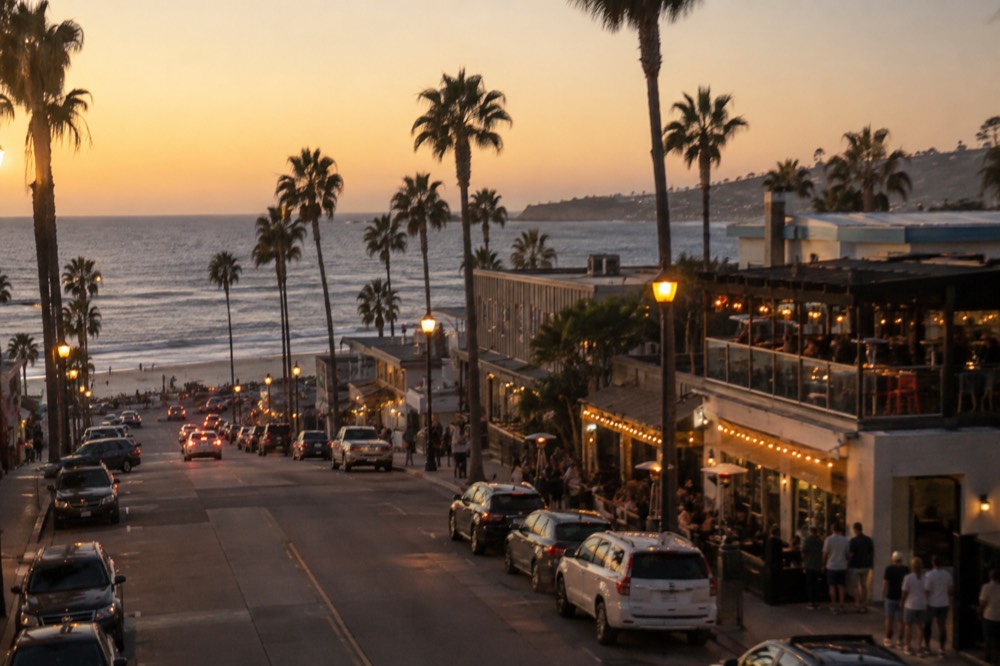
The one thing to plan around, whichever district you pick, is the marine layer. May Gray and June Gloom are real local patterns, and the temperature normals on this site show June's average high sitting below October's, but they affect the beach sunset more than a dance floor. It matters for the rooftop part of your night: a June rooftop can be grey and cool while an October one is the warmest outdoor seat in the city. This is also why September, the month with a normal high of 77.2F, is quietly one of the best nightlife months in San Diego.
For a final look at how the city fits together for a first visit, including how a nightlife district slots into a wider itinerary, Things to Do in San Diego as a homepage lays out the whole picture.
If you want one more angle on the city before your night out, these are the three experiences worth checking:
Common Questions About San Diego Nightlife
what is the hottest club in san diego?
There is no verified single hottest club. The honest answer is the Gaslamp Quarter, the district with the densest concentration of dance floors, rooftops and late-night venues in the county, where any individual venue's fortunes change week to week but the district as a whole stays the center of the scene.
Where is the party area in San Diego?
Downtown's Gaslamp Quarter is the main party area, with North Park and Pacific Beach as the two strongest alternatives. The Gaslamp is the densest and most visitor-friendly of the three, and it is the only one where a dozen venues sit within a few walkable blocks.
Do I need a car for a night out in the Gaslamp?
No, and you are better off without one. The Trolley stops at Gaslamp Quarter station at Fifth and Harbor, an MTS one-way fare is $2.50, and the PRONTO system caps your fares at the day-pass value automatically. Downtown parking is metered at $2.50 per hour where enforced, and a rideshare home solves the late-night direction.
Is Pacific Beach or the Gaslamp better for clubbing?
The Gaslamp, clearly, if you want dance floors and big rooms. Pacific Beach is louder and more casual but its venues are strung along a corridor rather than clustered, so a PB night involves more moving between rooms. North Park beats both for beer, not for dancing.
When is the best time of year for nightlife in San Diego?
September is the sleeper pick: its normal high of 77.2F beats July's and sits just behind August's, and rooftops are at their warmest. June can be grey and cool on the coast thanks to the marine layer, which matters more for rooftop venues than for dance floors.