What Artists Are Coming to San Diego?
A practical guide to finding out which artists are coming to San Diego: the venues to watch, the events already confirmed, and how to plan a trip around a show.
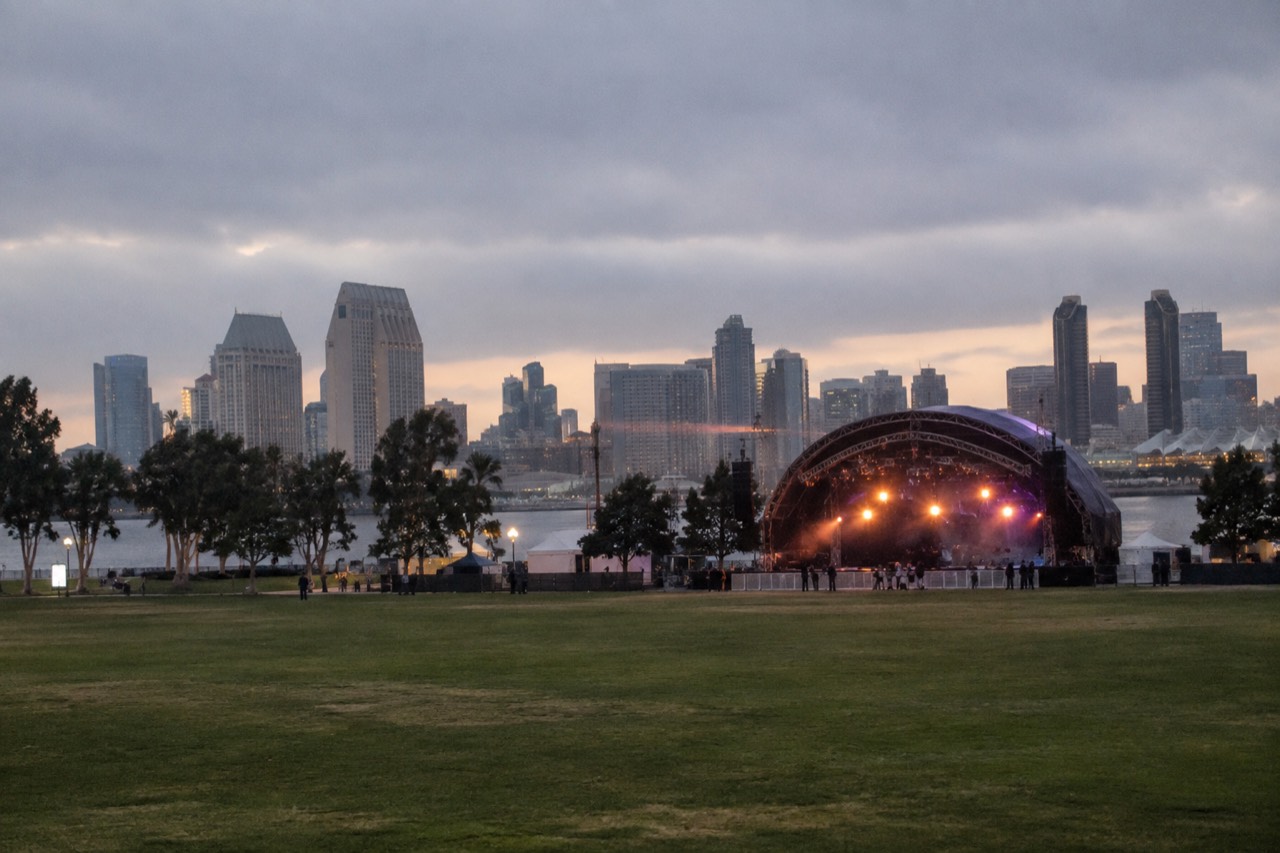
San Diego sits on the national touring circuit between Los Angeles and Phoenix, which means almost every major act passing through the Southwest plays here eventually. The catch is that no single page holds the answer for long. Lineups turn over weekly, support acts change, and second dates get added the moment a first one sells out. What stays stable is the map: a handful of venues, a few annual anchors, and a transit system that makes a downtown show painless. This article walks through all three, so you can find out who is coming and build a trip around it.
What Artists Are Coming to San Diego?
No fixed list answers this, because San Diego's concert calendar changes weekly as tours route through Southern California. The honest answer is a method: watch the major venues' own calendar pages, set alerts for the acts you care about, and anchor your plans to the events already confirmed, like Comic-Con International 2027 on July 22 to 25. Everything else is announced venue by venue, usually eight to twelve weeks out.
That eight-to-twelve-week window is the practical rhythm of the touring industry. A national tour typically locks its Southern California dates a couple of months before they happen, and San Diego is usually on the routing sheet for any tour that plays arenas or amphitheaters on the West Coast. When an artist announces a Los Angeles date, a San Diego date often follows within days, so the LA announcement is your early-warning system.
The other thing worth knowing is that San Diego gets two kinds of bookings. The first is the standard tour stop, an artist playing one night on the way somewhere else. The second is the destination event, where the artist comes specifically because of a festival, a holiday weekend, or a venue's own concert series. Those are announced much earlier and sell differently, and they are where planning ahead pays off most.
How Do You Find Out Who Is Playing San Diego Before Tickets Go on Sale?
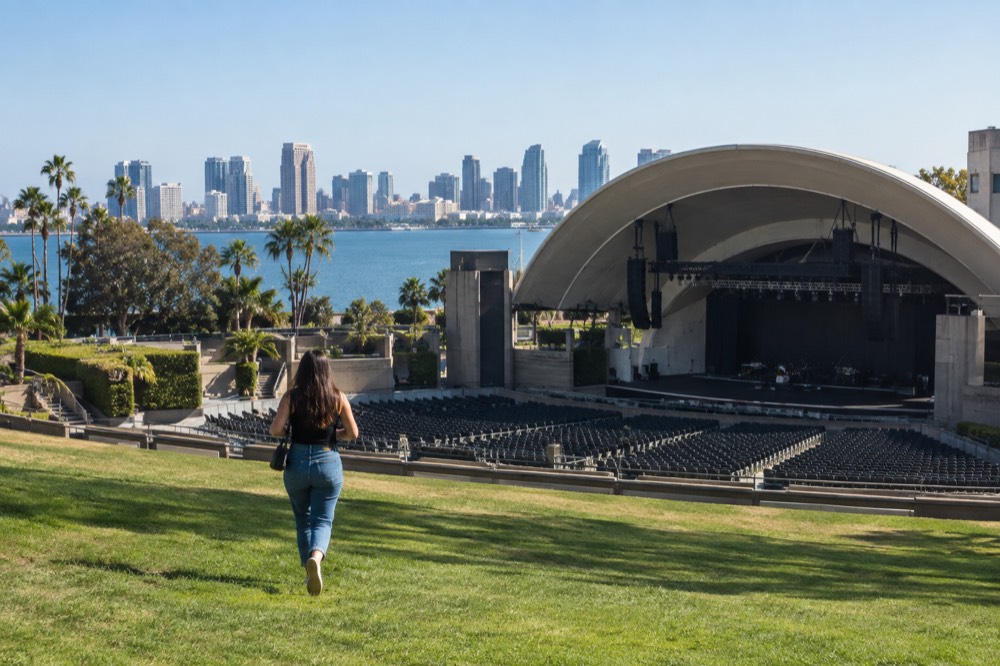
The fastest method is the venue calendars, not a ticket search. Each major San Diego venue publishes its own schedule page, and those pages update the moment a date is confirmed, often before any aggregator catches it. Check the venue first, then set an alert for the artist, because presales usually open a day or two before the general sale and the best seats go in that window.
The order matters more than people expect. Aggregator sites and ticket marketplaces only show dates that are already on sale, which means they are a record of what you missed rather than what is coming. The venue's own calendar page, by contrast, will list a show the day the routing is signed, sometimes with a "on sale soon" tag. If you are chasing a specific artist, that page is where you want to refresh.
Presales are the second half of the trick. Most tours run artist-presale and venue-presale windows before the general on-sale, and access usually comes through signing up on the artist's own site or the venue's mailing list. It costs nothing and it routinely makes the difference between front orchestra and the back of the lawn. The general rule holds: the earlier you know the date exists, the better your seat.
A show is rarely the whole trip, of course. Most people visiting for a concert build at least a day of sightseeing around it, and the waterfront downtown venues put you within walking distance of several of the city's headline attractions. The Embarcadero, the Gaslamp Quarter, and Balboa Park are all close to the main stages, which is one of the quiet advantages of seeing a show in San Diego over Los Angeles: you can park once, or skip parking entirely, and do everything on foot or by trolley.
Which San Diego Venues Should You Watch?
San Diego's concert geography runs from a downtown ballpark that hosts stadium tours, through mid-size arenas and theaters, down to club stages in the Gaslamp and North Park. Watch the ballpark and the arena for national tours, the historic downtown theaters for comedians and legacy acts, and the neighborhood clubs for the artists who will be famous in two years. Each tier announces on its own calendar.
The ballpark is Petco Park, home of the Padres, and it is the stop for the biggest touring productions in the region. A stadium-scale tour that plays Southern California will very often route through Petco between its Los Angeles and Anaheim dates. If you are planning around a stadium show, the Petco Park visitor guide covers the seating, the neighborhood, and how game days and concert days differ.
Below the stadium tier, San Diego has a strong theater circuit. The mid-size venues in and around downtown draw comedians, legacy bands, and touring musicals, and their calendars are the densest in the county. The club tier sits mostly in North Park and the Gaslamp, and it is the city's best music story: the artists playing 300-capacity rooms on University Avenue this year are the ones filling amphitheaters in three. If you want to say you saw someone before they got big, that is the neighborhood to check first, and the North Park guide maps it.
| Venue tier | Where it sits | What books there | How far ahead it announces |
|---|---|---|---|
| Ballpark | Downtown East Village | National stadium tours, special events | 3 to 6 months |
| Arena | Mid-county | Major national tours, family shows | 2 to 4 months |
| Historic theaters | Downtown core | Comedians, legacy acts, musicals | 2 to 3 months |
| Clubs | North Park, Gaslamp | Rising acts, local scenes | 2 to 8 weeks |
The table's last column is the planning takeaway. Stadium and arena dates are announced far enough out that you can build a whole vacation around them. Club dates are effectively walk-up plans: if you are already in the city for a weekend, checking the club calendars for that specific weekend will find you a show.
What Is Already Confirmed on the San Diego Calendar?
The biggest locked-in date is Comic-Con International 2027, running July 22 to 25 with Preview Night on July 21, and it brings its own celebrity appearances, panels, and offsite events. Beyond it, the standing anchors are seasonal: gray whale watching from mid-December through March, with mid-January the migration peak, and the Port of San Diego's published cruise schedule running 177 ship calls from August 2026 to May 2027.
The Comic-Con dates are worth taking seriously even if you have no interest in comics. The convention fills the Gaslamp and the convention center neighborhood with ticketed and free events, celebrity panels, and activations that function as their own entertainment calendar. The Comic-Con visitor guide covers how to plan around it. Its official site publishes the dates and the programming as it firms up: Comic-Con International.
The whale season is the other reliable annual anchor, and it is the closest thing San Diego has to a headliner that never cancels. More than 20,000 gray whales pass offshore each year, most of them passing San Diego in late December, January, and February, and the National Park Service notes mid-January as the peak, with the best odds on calm mornings before the wind picks up. Cabrillo National Monument runs a Whale Watch Weekend and Intertidal Festival in late January or early February, and the park's own page lays out the season: gray whale watching at Cabrillo.
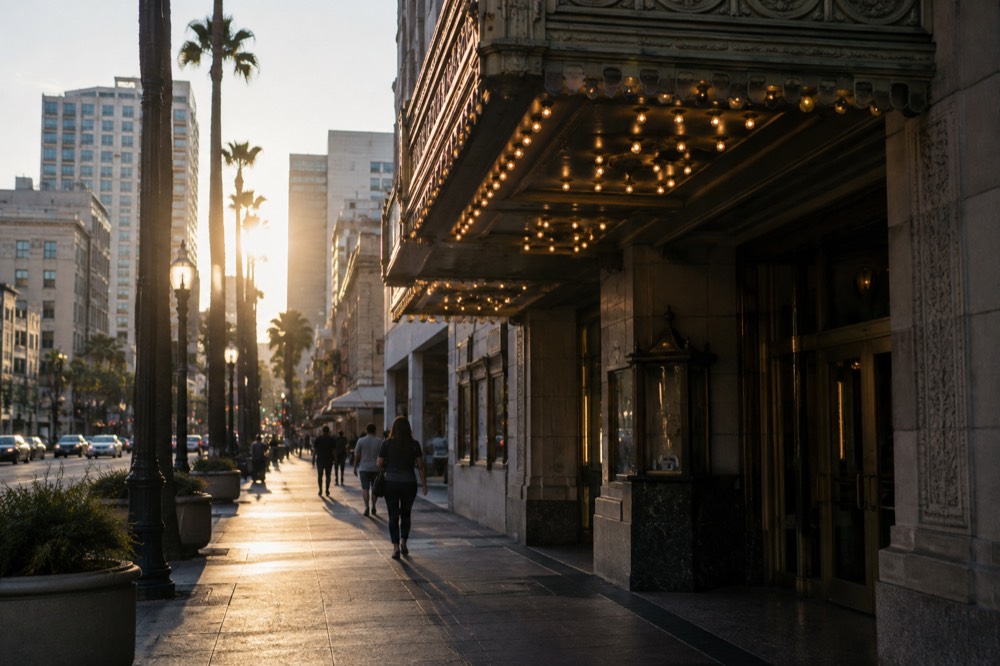
One honest note about the concert side of this question: specific artist names for future San Diego dates belong on the venue calendars, not on a page like this one, because any list would be stale within weeks of publishing. The method above is the durable answer. The confirmed anchors are the things you can actually book a trip around today.
How Do You Get to a San Diego Show Without a Car?
You can reach almost every major San Diego venue on the MTS trolley for $2.50 one way, and fare capping means a day of riding never costs more than $6.00. There is no trolley station at the airport, but Route 992 runs every 15 minutes from both terminals to the downtown interchange for the same fare, and the free San Diego Flyer shuttle connects the airport to Old Town Transit Center.
The fare system is called PRONTO, and it is built around a pay-as-you-go card or app that caps automatically: once your rides in a day add up to the day-pass value, everything after that is free. There is no reason to buy a day pass up front, the fare chart literally prints "Day Pass Earned" when you hit it. The full chart is on the transit agency's site: MTS fares and the PRONTO card. Youth 18 and under ride free, and up to two children aged 5 and under travel free with a paying adult.
For a downtown show this changes the whole evening. Parking near the venues on event nights is the expensive, stressful part of the plan, and the trolley removes it entirely. The Blue Line runs from the border at San Ysidro through downtown to UC San Diego, and the system's reach means most hotel zones in the county have a rail or rapid option into the center. If you are flying in for one concert, you can genuinely skip the rental car.
How Do You Build a Whole Trip Around One Concert?
Treat the show as the evening anchor and build the days around it. A downtown concert puts you within walking distance of the USS Midway Museum, the Embarcadero, Seaport Village, and the Gaslamp Quarter, and Balboa Park is a short trolley or rideshare hop north. Two full days is the comfortable minimum: one for the waterfront and the concert, one for the park.
The USS Midway Museum is the most natural pairing, because it sits on the harbor directly in the concert zone. The ship is open 10:00 am to 5:00 pm with last admission at 4:00 pm, closed only on Thanksgiving and Christmas Day, so a morning aboard fits easily before an evening show. Adult tickets run $39 online against $41 at the door, so buying ahead saves a few dollars per person and skips the booth line.
If the concert falls on a weekend, the rest of the plan writes itself. Balboa Park's grounds and gardens carry no admission at all, the Botanical Building is free, and the Spreckels Organ Pavilion runs free one-hour concerts every Sunday at 2:00 pm year round, rain or shine, which is a second live-music fix for the price of showing up. A guided walk is the efficient way to see the park's core if your time is short, and the Balboa Park guide covers what is free, what is ticketed, and how the resident free-day rotation works.
One parking note that matters for any Balboa Park leg of the trip: paid parking is live in the park's lots now, running $8 to $16 a day depending on the lot and your residency, but City Council has approved removing it entirely on 1 January 2027. Check the current status before you drive in, because every article on the subject, including older ones, is wrong on one side or the other of that date.

Timing the whole trip is its own question, and San Diego's calendar plays a trick on newcomers. September is statistically the real summer here: its normal high of 77.2F beats July's by nearly two degrees and sits a tenth behind August's, the ocean is near its annual peak, and yet September is one of the quietest visitor months at the coastal attractions. A September concert trip gets peak weather with off-peak crowds. The San Diego weather and best time to visit guide breaks down the full year, including the coastal morning gray that locals call May Gray and June Gloom.
Common Questions About Artists Coming to San Diego
what artists are coming to san diego?
There is no fixed list, because the calendar changes weekly as tours route through Southern California. The reliable method is to watch the venue calendars directly, set alerts for the artists you care about, and anchor firm plans to confirmed events like Comic-Con International 2027, which runs July 22 to 25 with Preview Night on July 21.
How far in advance do San Diego concerts get announced?
Most national tour dates are confirmed about eight to twelve weeks out, with stadium and arena shows announced three to six months ahead and club dates sometimes as little as two weeks ahead. When an artist announces a Los Angeles date, a San Diego date often follows within days, so the LA routing is a useful early signal.
Where do the biggest tours play in San Diego?
The stadium-scale tours play Petco Park in the East Village. Below that tier, arenas and downtown theaters take the national tours, comedians, and legacy acts, while the club stages in North Park and the Gaslamp carry the rising acts. Each tier announces on its own calendar page.
Can I get to a San Diego concert without a car?
Yes. The MTS trolley reaches nearly every major venue for $2.50 one way, and PRONTO fare capping means a day of riding never exceeds $6.00. From the airport, Route 992 runs every 15 minutes to the downtown interchange, and the free San Diego Flyer shuttle connects the terminals to Old Town Transit Center.
What is the best month to plan a concert trip to San Diego?
September is the sleeper pick. Its normal high of 77.2F beats July's by nearly two degrees, the ocean is near its warmest, and coastal visitor numbers are at their lowest ebb. You get peak summer weather with off-peak crowds, which makes an outdoor show far more pleasant than the same show in July.
What else can I do on a concert weekend in San Diego?
The USS Midway Museum, the Embarcadero, and Seaport Village all sit within walking distance of the downtown venues, and Balboa Park is a short hop north. The park's grounds and gardens are free, the Spreckels Organ Pavilion runs free Sunday concerts at 2:00 pm year round, and a morning aboard the Midway fits easily before an evening show.
If a concert is what brings you to town, let it be the evening anchor and give the days to the harbor and the park. The team behind Things to Do in San Diego keeps the venue and attraction guides current, so check the relevant page as your dates get close, and set those artist alerts now: the show you want will be on sale before you finish planning the rest of the trip.