What Are San Diego's Top Rated Restaurants?
How to find San Diego's top rated restaurants, from Little Italy and North Park to Old Town, what the ratings actually mean, and which food tours get you to the good tables faster.
What Are San Diego's Top Rated Restaurants?
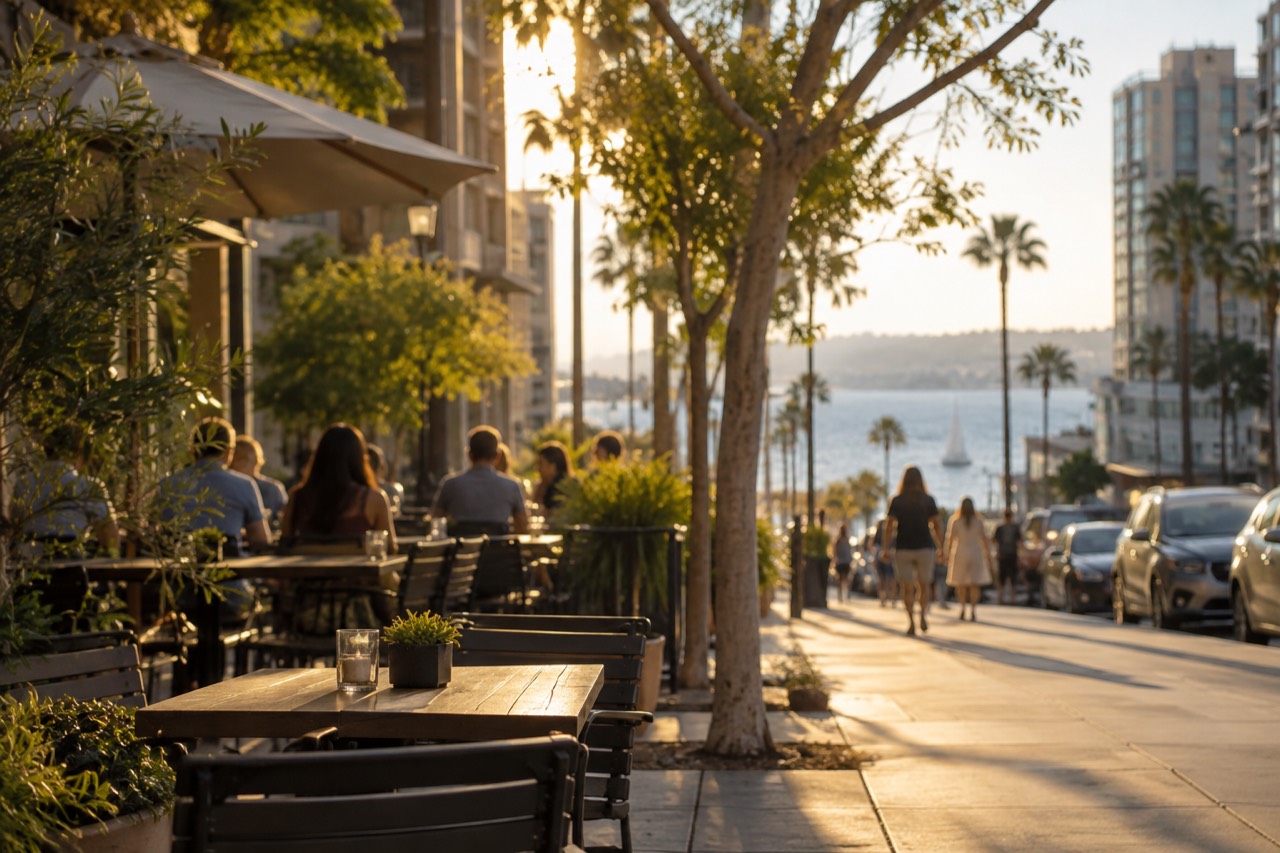
San Diego's top rated restaurants cluster in a few identifiable places: Little Italy for refined Italian and seafood, North Park for the craft beer and chef-driven scene, Old Town for the taco and tequila tradition, and the Gaslamp Quarter for the biggest concentration of dinner-plus-nightlife options. The honest answer is that no single list holds, because ratings shift month to month, but the neighborhoods that produce them do not. Read the ratings by neighborhood, not by name, and you will eat well.
The question sounds simple and it is not. A city that received roughly 32.5 million visitors in 2024, per the San Diego Tourism Authority's figures, has a restaurant scene with two overlapping layers: the places visitors rate highly because they are convenient and famous, and the places locals rate highly because the food earns it. Sometimes those are the same restaurant. Often they are not.
This site covers the dining landscape neighborhood by neighborhood, and the deepest single resource is the best restaurants in San Diego guide, which organizes the scene by area and by what you actually want to eat. Use it alongside this page: here we are answering the narrower question of where the top ratings come from and how to chase them intelligently.
Which Neighborhoods Produce the Top Ratings?
Little Italy, North Park, and the Gaslamp Quarter account for most of the highly rated dining rooms in the city, with Old Town holding the tradition corner and La Jolla and Coronado holding the view-and-occasion corner. Little Italy is the strongest single bet for a visitor: compact, walkable, dense with well-reviewed kitchens, and sitting right on the trolley and waterfront. North Park is where the city's beer culture and its chef culture meet, and it is where local reviewers concentrate their enthusiasm.
Little Italy deserves its reputation. The neighborhood runs along India Street a few blocks from the waterfront, and its weekly farmers market, the Little Italy Mercato, is one of the largest in the county. The Little Italy guide covers the area in full. What matters for ratings is that the neighborhood's restaurants compete with each other hard, on a street where a bad dinner does not stay secret, and that competition shows up in review counts and consistency.
North Park is the second answer. The neighborhood is the center of San Diego's craft beer world, and its full guide explains the brewery geography. Where there is serious beer there is usually serious food, and North Park's kitchens run from taco shops to tasting-menu rooms within a few blocks of University Avenue.
Old Town is the third pillar, less for innovation than for tradition. It is the site of the city's earliest settlement and the place visitors go for tacos and tequila in a historic setting. The Old Town guide sorts the historic area from the tourist traps. La Jolla and Coronado round out the list: both carry highly rated restaurants whose settings do half the work, which is fine, as long as you know you are partly paying for the view.
| Neighborhood | What the ratings reward | Best for |
|---|---|---|
| Little Italy | Italian, seafood, chef-driven rooms | A walkable dinner night |
| North Park | Craft beer pairings, inventive kitchens | Local-scene eating |
| Old Town | Tacos, tequila, historic setting | Tradition and casual groups |
| Gaslamp Quarter | Volume, variety, late hours | Dinner before nightlife |
| La Jolla | Waterfront fine dining | Special occasions |
| Coronado | Resort and seaside dining | A slow island afternoon |
Can a Food Tour Help You Find the Top Restaurants?
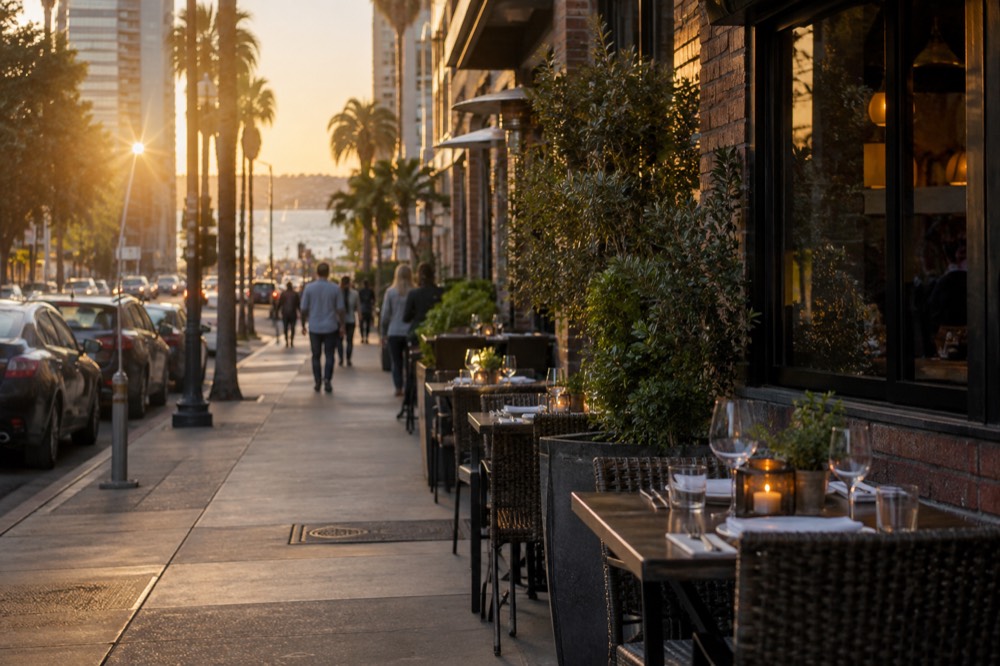
Yes, and it is the fastest honest method available. A guided food walk samples several kitchens in one evening, so you taste the candidates before you commit a full dinner to any of them. This site lists three that fit the question well: a short Taste of Little Italy walk, a North Park brewery tour built around beer education, and a harbor dinner cruise for the occasion end of the scale.
The Taste of Little Italy tour is the one that maps most directly onto this question. It runs about 30 minutes of stops through the neighborhood's food corridor, which sounds short until you realize what it is for: it is a scouting run. You leave knowing which storefronts smell right, which rooms you want to return to, and roughly how the neighborhood is laid out for a real dinner later. The listing on the operator's page carries the current price and availability.
The North Park Beerucation Tour takes the other approach. It runs about 3 hours and is built around beer education rather than pure tasting, which means you leave understanding why the neighborhood's kitchens pair food the way they do. For a visitor trying to decode the local scene rather than just eat well one night, it is the better instrument. The Gaslamp also has its own dedicated walk, the Gaslamp Quarter food and drink tour, for the downtown side of the question.
How Do You Judge a Top Rated Restaurant in a Tourist City?
Read the review distribution, not the average, and weight recent reviews over old ones. In a city with 32.5 million annual visitors, a restaurant near a hotel corridor can accumulate thousands of ratings from people who ate there once and never again, while a neighborhood room can hold a slightly lower average earned from repeat customers. Look for consistency in the recent months, look for locals reviewing, and treat a famous address as a hypothesis rather than a verdict.
There is a second filter worth applying: does the restaurant appear in the conversation at all, or only in the ratings? A place that shows up in local food discussion and in neighborhood word of mouth is carrying more information than a star count alone. Ratings are a lagging indicator. Word of mouth moves faster.
Practical mechanics matter too. If you are dining downtown or in Little Italy, the MTS fare chart shows a $2.50 one-way trolley or bus fare with a $6.00 day pass, and the official fare chart is the place to confirm it before you ride. Driving is the worse option: the city's parking page explains downtown meter enforcement, which runs into the evening in the Hospitality Zone that covers the Gaslamp. A top rated restaurant you can reach by trolley beats a slightly better one you cannot park near.
What About Tacos, Cheap Eats, and the Rest of the Scale?
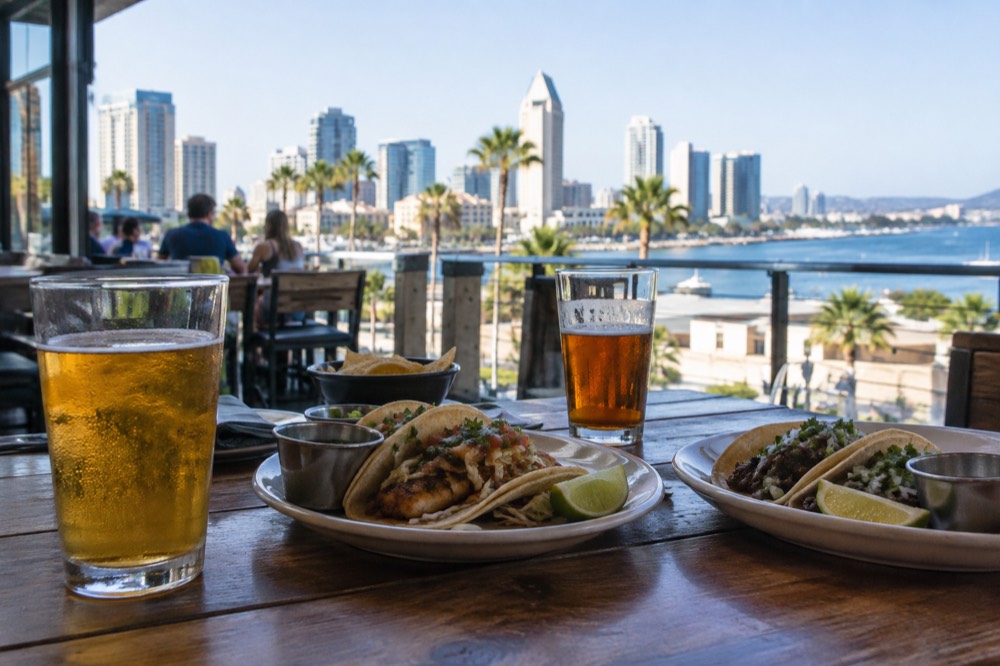
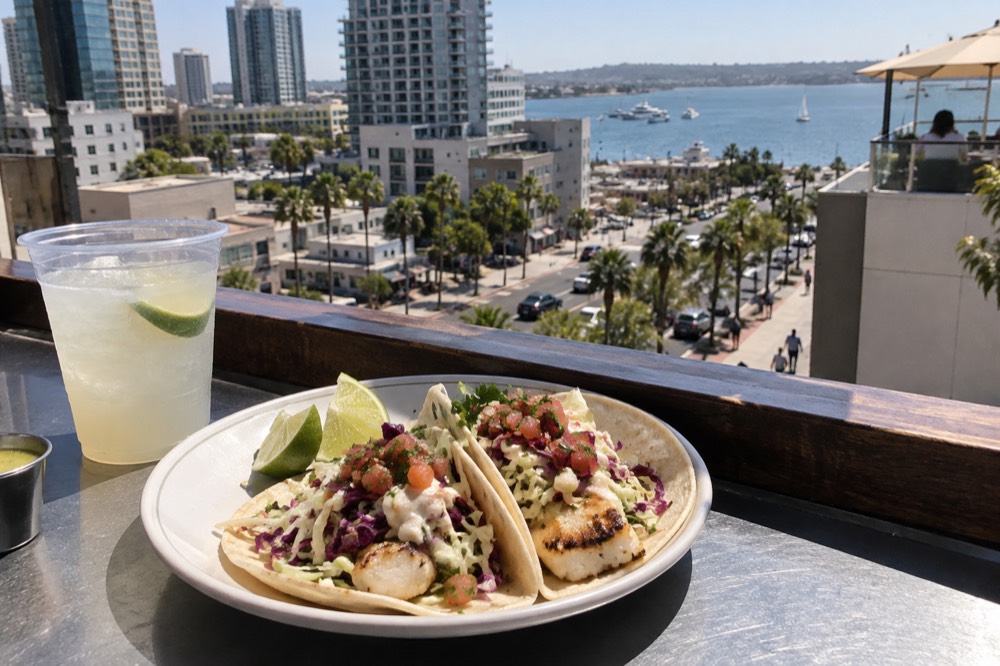
San Diego's ratings are not only about fine dining, and the city's most decorated food may be its cheapest. The taco scene is strong enough that this site maintains a dedicated guide to the best tacos in San Diego, and a top rated list that skips tacos is not describing the city honestly. The fish taco in particular is the city's signature contribution to American food, and it costs less than parking.
The cheap end of the scale is also where the ratings are least reliable and the eating is most reliable. A taco shop with a few dozen reviews from people who live in the neighborhood is a better signal than a waterfront room with thousands of reviews from people who were on vacation. This is the core tension of the whole question: visitor ratings reward convenience and setting, local ratings reward the food, and the top rated restaurants in any honest sense are the ones where those two signals agree.
Beer belongs in this section too, because in San Diego the brewery is a dining category of its own. The San Diego breweries guide maps the scene, and the Old Town tequila and tacos walking tour covers the spirit side of the tradition with a 2h 30m walk through the historic district.
How Should You Actually Plan the Meal?
Pick the neighborhood first, the restaurant second, and the booking third. Decide whether tonight is a special occasion, a local-scene night, or a cheap-eats crawl, because each of those points at a different area: La Jolla or Coronado for the occasion, North Park for the scene, Old Town or a taco corridor for the crawl. Then book directly, check the recent reviews one last time, and get there by trolley where you can.
The occasion end of the scale has one more option worth naming: the harbor dinner cruise. It runs about 3 hours on the bay, which makes it a dinner and an attraction in one booking, and for a visitor who wants a memorable meal with the city lights behind it, it competes with any dining room on the water. The listing carries the current price and the sailing schedule.
For everything else, the planning order holds. A visitor who lands in the right neighborhood with a shortlist of two or three candidate kitchens, one of them scouted on a food walk, will eat better than a visitor holding a top-ten list from a magazine. The ratings are a map, not a menu. Things to Do in San Diego begin with eating well, and the city makes that easy if you know where the good ratings actually come from.
Common Questions About Top Rated Restaurants in San Diego
what are san diego's top rated restaurants?
They concentrate in Little Italy, North Park, Old Town, the Gaslamp Quarter, La Jolla, and Coronado, with the strongest single bet for a visitor being Little Italy. No fixed list holds, because ratings shift monthly, but those neighborhoods consistently produce the city's best reviewed kitchens.
Which San Diego neighborhood has the best restaurants?
Little Italy is the strongest all-round answer: compact, walkable, waterfront-adjacent, and dense with well-reviewed kitchens. North Park is the answer if you want the local craft-beer and chef scene rather than the visitor-facing one.
Are San Diego's top rated restaurants expensive?
Not necessarily. The city's most decorated food includes its taco shops, and the fish taco, the city's signature dish, is among the cheapest things you can eat here. Fine dining exists, especially in La Jolla and Coronado, but the ratings do not require it.
Is a food tour a good way to find the best restaurants?
Yes. A food walk samples several kitchens in one outing, so you can scout a neighborhood like Little Italy or North Park before committing a full dinner to any single room. The Taste of Little Italy tour is designed exactly for that kind of quick survey.
Do I need a car to reach the top rated restaurants?
Usually not. Little Italy, the Gaslamp, and Old Town all sit on or near the trolley network, where a one-way fare is $2.50. Downtown parking meters run $2.50 per hour with evening enforcement in the Hospitality Zone, so transit is often the faster and cheaper choice for a dinner out.