What Are San Diego's Best Hidden Gem Restaurants?
Where to find San Diego's under-the-radar restaurants, which neighborhoods hide the best ones, and how to eat like a local on your next trip.
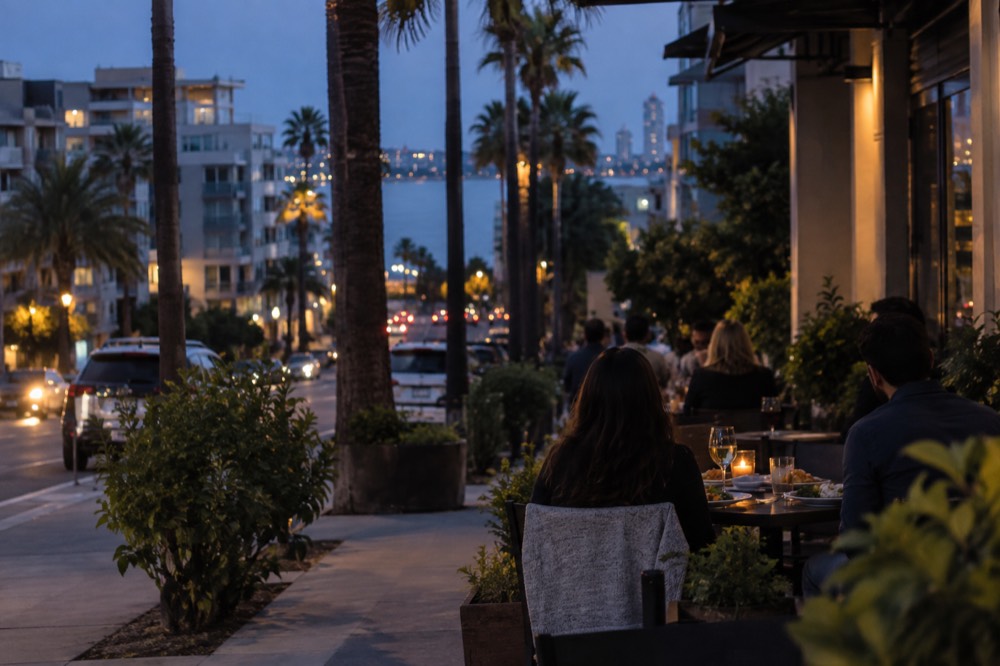
What Are San Diego's Best Hidden Gem Restaurants?
San Diego's best hidden gem restaurants cluster in a handful of neighborhoods rather than one famous dining district: North Park for chef-driven small kitchens, Little Italy for old-school counters off the main piazza, Old Town for family-run Mexican cooking, and the beach towns of Ocean Beach and Encinitas for casual cult-following spots. None of these are secrets to locals, which is the point. A hidden gem here is a place visitors skip because it sits ten minutes from the waterfront, not a place nobody knows.
San Diego receives enormous visitor traffic, and the overwhelming majority of those visitors eat within a few blocks of the Embarcadero, the Gaslamp Quarter and Seaport Village. That concentration is what creates the hidden gem effect in the first place. The restaurants a five minute drive or a short trolley ride inland serve the same city for a fraction of the attention.
This guide does not pretend to hand you a list of secret addresses. What it does instead is teach the pattern: which neighborhoods reward wandering, what a genuine local favorite looks like from the street, and how to fit a few of them into a trip without burning half a day. For a broader sweep of the dining scene, our best restaurants in San Diego guide covers the headline names, and the best tacos in San Diego guide does the same for the city's signature dish.
Which Neighborhoods Hide the Best Under-the-radar Food?
North Park is the single best hunting ground, with a walkable core of small kitchens, breweries and chef-run rooms that rarely make visitor itineraries. Little Italy rewards the side streets rather than the main piazza, Old Town holds family-run Mexican kitchens just beyond the state park's tourist ring, and Hillcrest offers a dense, casual mix that visitors almost never reach. Encinitas and Ocean Beach are the coastal sleepers, where the food is as unpretentious as the surfers eating it.
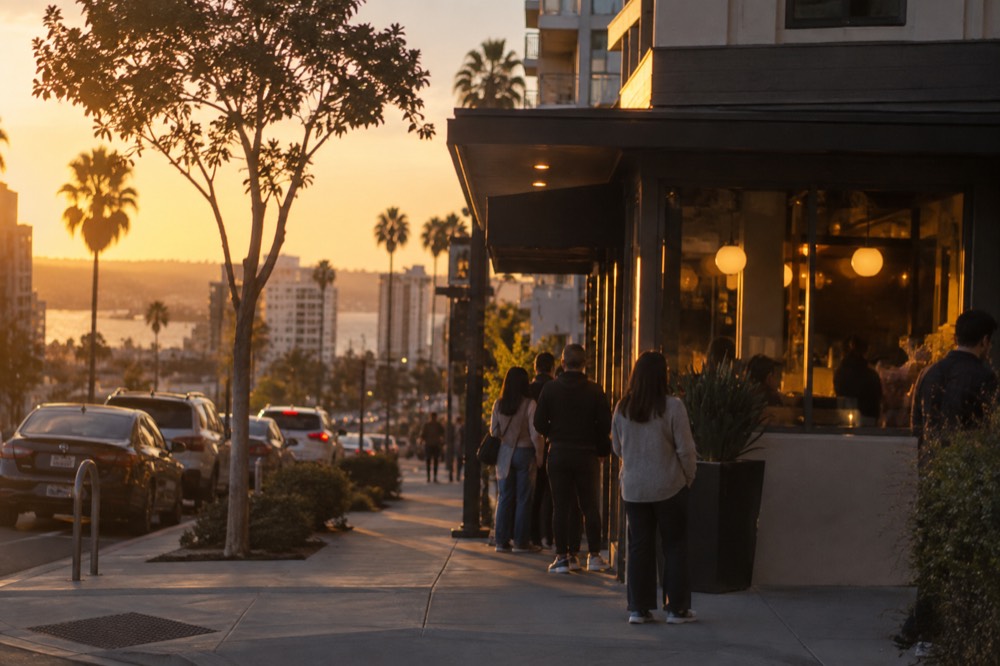
North Park deserves the top slot for one simple reason: it is the neighborhood where San Diego's food culture and its beer culture grew up together, and the dining rooms there were built for neighbors, not for tour groups. The same blocks that host the North Park Beerucation Tour also hold some of the city's most loved small restaurants, and a visitor walking India Street or 30th Street will pass a dozen of them in fifteen minutes.
Little Italy is trickier, because its main piazza, India Street, is no longer hidden at all. The gems sit a block east or west, in the older dining rooms that predate the neighborhood's glossy rebuild, and in the counter-service spots that locals use for a weeknight bowl of pasta. Old Town works the same way. The state park itself draws the crowds, but the surrounding blocks carry the kitchens that San Diegans actually drive across town for.
Here is how the main neighborhoods compare for a visitor planning a meal away from the waterfront:
| Neighborhood | What it does best | Vibe | Effort to reach from downtown |
|---|---|---|---|
| North Park | Chef-driven small kitchens, breweries | Bustling, local, walkable core | Short rideshare or bus ride |
| Little Italy | Old-school counters off the main street | Polished but with quiet corners | Walkable from downtown |
| Old Town | Family-run Mexican cooking | Casual, historic setting | Direct trolley stop |
| Hillcrest | Dense casual dining, brunch | Relaxed, neighborhood feel | Short rideshare from downtown |
| Ocean Beach | Laid-back seafood and taquerias | Sleepy beach town | Short drive or bus ride |
| Encinitas | Coastal casual, coffee and tacos | Surf-town unhurried | Best with a car, about 30 minutes north |
If you only have time for one of these, pick based on your energy. Old Town is the easiest, the trolley drops you at the door and the Old Town area guide lists what else to do around the meal. North Park is the most rewarding for a dedicated food evening.
A guided walk or a food-focused tour is one legitimate shortcut through all of this, because a local guide's whole value is knowing which doorway to point you at. The trio above spans the range: a quick tasting walk through Little Italy, a beer-and-education route through North Park, and a seated dinner cruise for the night you would rather be looked after than explore. Each suits a different kind of evening, and each is bookable with free cancellation through the operator's live listing.
How Do You Find a Hidden Gem Restaurant Before the Crowds Do?
Look for three street-level signals: a menu with fewer than a dozen items, a dining room full of people who arrived on foot or in work clothes, and a line that moves rather than a queue built for photographs. Cross-check any candidate against where locals say they eat, read recent reviews on the live listing rather than old top-ten lists, and be willing to book the small places a few days out because tiny dining rooms fill fast.
The single most reliable test is the menu length. A kitchen cooking eleven things is cooking them every night; a kitchen cooking eighty things is reheating most of them. The second test is who is inside at 6:30 pm on a Tuesday. Locals eat early and close to home, so a dining room that is already half full in the early evening, in a neighborhood where people clearly live, is doing something right.
Reviews need the same skepticism. A five-star average built on thousands of reviews tells you a place is consistent; a 4.4 built on a few hundred, with reviewers raving about one specific dish, often tells you something more interesting. Read the negative reviews too, and discount the ones that complain about parking or wait times rather than the food. Our write-up of where the locals eat in San Diego goes deeper on this habit of eating where the line is short and the regulars are loud.
Practical logistics matter more than visitors expect. Street parking in these neighborhoods is metered in commercial zones, generally during business hours and into the early evening, and the rules genuinely vary block by block, so the parking in San Diego guide is worth a read before you drive. The city's own parking FAQ publishes the enforcement windows, and posted signs at the meter always win over anything a guide says. If you would rather skip the car entirely, the MTS fare chart shows a $2.50 one-way ride or a $6.00 day pass on the trolley and bus network, which covers Old Town and the downtown-adjacent neighborhoods comfortably.
What Does a Hidden Gem Look Like in Little Italy?
In Little Italy a hidden gem looks like a narrow dining room one block off India Street, a counter-service pasta spot with no hostess stand, or a decades-old kitchen that locals defend fiercely. The neighborhood's famous piazza and farmers market draw the weekend crowds, and the quieter rooms around them keep the regulars, which makes it the easiest hidden gem neighborhood to practice on because the contrast is visible within a two block walk.
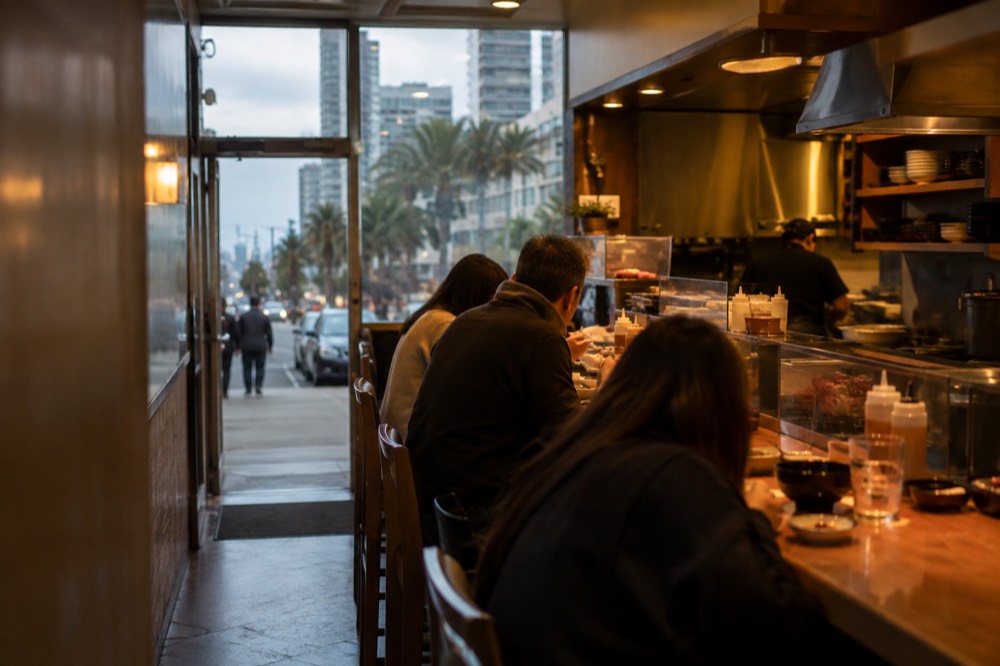
The neighborhood's history as a fishing community is the reason its food culture runs deeper than its current polish suggests, and the old-timers' kitchens are the survivors of that era. The weekly farmers market is the best single scouting trip you can make, because the vendors and the shoppers are the same people who cook and eat in the surrounding blocks, and asking anyone with a canvas bag where they dinner afterwards will get you a real answer.
The Taste of Little Italy walk is the structured version of that scouting trip: a guided tasting route through the neighborhood's kitchens that runs about 30 minutes, long enough to sample several rooms and short enough to leave you hungry for a proper dinner at whichever one you liked best. Treat it as reconnaissance rather than a meal, and book the full dinner at your favorite stop for a different night.
Are Food Tours a Good Way to Discover Hidden Gems?
Yes, with a caveat: a food tour is a map, not a destination. A good one compresses weeks of local knowledge into a couple of hours and hands you a shortlist of kitchens worth returning to, but the discovery still happens on your own second visit, when you come back to the one room the guide passed and order the thing you watched the regulars eating.
The economics favor the approach too. A guided tour with tastings bundled in tends to cost about as much as a solo dinner with drinks, and you leave with a shortlist instead of a single meal. San Diego's tour menu spans everything from a 2h 30m Gaslamp Quarter food and drink walk to a 3-hour brewery tour with food pairings, so the format can match your evening rather than the reverse. The brewery tour is the standout for the North Park plan, since it pairs the neighborhood's two best exports, beer and small-plate kitchens, in one route.
Two habits make any tour work harder for you. First, ask the guide where they eat on their day off, which gets a different and more honest answer than the script. Second, photograph the doorways, not the plates, because a doorway is how you find the place again and a plate is just dinner.
How Much Should You Budget for a Hidden Gem Meal?
Plan on casual counter spots running roughly $12 to $20 a person for a plate and a drink, family-run sit-down kitchens landing in the $20 to $40 range, and chef-driven rooms in North Park or a dinner cruise evening climbing from there. These are planning ranges rather than promises, menus move with the seasons, and the whole point of a hidden gem is that it costs noticeably less than the equivalent meal on the waterfront.
| Kind of evening | Typical planning range per person | What you get |
|---|---|---|
| Taco shop or counter service | $10 to $18 | Two or three plates and a drink, no reservation needed |
| Family-run sit-down kitchen | $20 to $40 | Appetizer, main, one drink, cash-friendly and casual |
| Chef-driven small room | $40 to $75 | Tasting-style or a la carte, book a few days ahead |
| Guided food or brewery tour | Varies by operator, see the live listing | Multiple stops, tastings and a guide included |
The savings are real, not a marketing line. Waterfront dining carries a view premium on every plate, and the neighborhoods ten minutes inland serve food from the same regional suppliers at neighborhood prices. Alcohol is worth planning around too, since it is prohibited on the city's beaches and boardwalks, so a beach picnic dinner means the drink comes from the restaurant, not a cooler on the sand.
Putting It Together: A Hidden Gem Eating Plan for Your Trip
Build your trip around two or three neighborhoods rather than chasing individual restaurants: one evening in North Park, one meal in Old Town or Little Italy, and one coastal stop if you have a car. Book only the small chef-driven rooms in advance, walk into everything else, and let the trolley and a short rideshare cover the distances, which keeps the whole plan under an hour of transit across a multi-day visit.
The pattern that works for most visitors is to anchor each day around one neighborhood rather than one address. Our one day in San Diego and San Diego 3 day itinerary guides are built exactly this way, and slotting a hidden gem dinner into each evening costs you almost no extra planning. The team behind Things to Do in San Diego keeps the neighborhood guides current for exactly this reason, because the dining rooms change faster than the landmarks do.
If you are traveling in late summer, you have a quiet advantage: September is statistically San Diego's warmest month, with a normal high of 77.2F that actually beats July's, yet it is one of the quietest months at the city's visitor attractions. The same effect reaches the dining rooms. A September evening in North Park gives you the best weather of the year with meaningfully shorter waits than July and August deliver.
Common Questions About Hidden Gem Restaurants in San Diego
what are san diego's best hidden gem restaurants?
They cluster in North Park, Little Italy's side streets, Old Town's surrounding blocks, Hillcrest and the beach towns of Ocean Beach and Encinitas. The best approach is to pick one or two neighborhoods and wander, rather than chasing a single secret address, since the gems are places locals keep to themselves, not places nobody has found.
How do I know a restaurant is a genuine local favorite?
Look for a short menu, a dining room filling up early on a weeknight, and guests who clearly arrived on foot from nearby. Recent reviews that rave about one specific dish are a stronger signal than a large volume of generic five-star ratings.
Are hidden gem restaurants cheaper than waterfront dining?
Generally yes. Plan on counter spots running roughly $10 to $18 a person and family-run sit-down kitchens in the $20 to $40 range, against a view premium on every plate downtown. These are planning ranges, so check the menu before you go.
Do I need a car to reach these neighborhoods?
Not for Old Town or Little Italy, both sit on the trolley network, where a one-way ride is $2.50 and a day pass is $6.00. North Park and Hillcrest are a short rideshare from downtown, and Encinitas is the one that genuinely rewards having a car.
Is a food tour worth it for finding hidden gems?
As a scouting tool, yes. A guided tasting walk like the Taste of Little Italy compresses weeks of local knowledge into about 30 minutes and leaves you with a shortlist of kitchens to return to. Treat the tour as reconnaissance and book a full dinner at your favorite stop separately.