How Can I Find San Diego Accident Reports?
Where San Diego accident reports live, which agency holds yours, how to request a copy, and how to keep exploring the city while the paperwork clears.
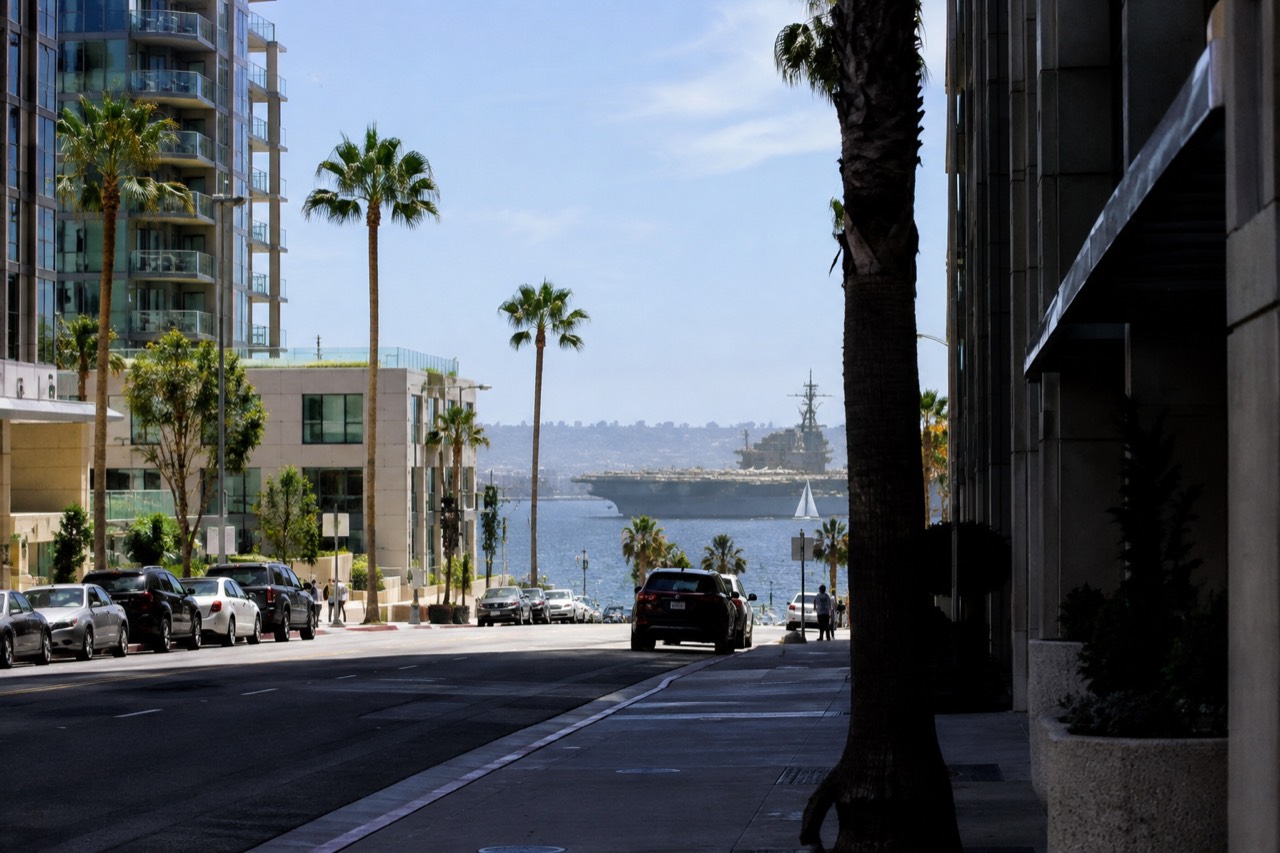
A collision or a fender bender in a strange city is bad enough. The part that trips people up afterward is the paperwork: the accident report, the document that records what happened, where, and who was involved, and the thing your insurer, a rental company, or an attorney will ask for first. San Diego does not keep these in one place. Which office holds yours depends on where the crash happened and who responded to it, and that single detail decides your whole route to a copy.
How Can I Find San Diego Accident Reports?
You find a San Diego accident report by identifying which agency responded to the collision and requesting the report from that same agency: the San Diego Police Department for city streets, the California Highway Patrol for freeways and unincorporated county roads, or the transit authority if a trolley or bus was involved. Most agencies take requests online, by mail, or in person, and each sets its own processing time and fee. If you called 911, the dispatcher's log tells you who was sent, and that is your starting point.
The first practical step is reconstructing the response. If the crash happened on a city street in downtown, the Gaslamp, Mission Beach, or anywhere inside San Diego proper, and you called the police, the San Diego Police Department wrote the report. If it happened on Interstate 5, Interstate 8, State Route 163, or any freeway or state route, the California Highway Patrol handled it, because freeways are CHP territory everywhere in California. Crashes in unincorporated parts of the county also go to the CHP.
If you never called anyone and exchanged details on the spot, there may be no official report at all. In that case the paper trail you have is the photos you took, the other driver's insurance details, and any notes from witnesses. That is usually enough for a minor claim, but for anything involving injury, a hit-and-run, or a dispute about fault, a formal report is worth going back for, and agencies allow you to file one after the fact.
Which Agency Holds the Report You Need?
Match the report to the road. Freeway and highway collisions, including anything on the I-5 corridor through downtown, belong to the California Highway Patrol. Collisions on city streets belong to the San Diego Police Department, and collisions in other county cities, La Mesa, Chula Vista, Oceanside, El Cajon, go to that city's own police department. If a San Diego Metropolitan Transit System bus or trolley was involved, the transit authority holds its own incident record separate from the police file.
The table below is the sorting logic in one view. The request method column matters because showing up at the wrong counter wastes a day of a trip.
| Where it happened | Agency that holds the report | Typical request route |
|---|---|---|
| Freeway or state route | California Highway Patrol | CHP's online report portal, or any CHP area office |
| City street in San Diego | San Diego Police Department | SDPD Records, online or in person |
| Street in another county city | That city's police department | That department's records unit |
| Involving a bus or trolley | San Diego Metropolitan Transit System | MTS claims and incident process, plus the police report if one was filed |
| Private property, no police called | No agency report exists | Your own photos, insurer, and a late-filed report if needed |
One wrinkle travelers hit: the responding officer's card. If you were given a business card at the scene, it usually carries the officer's name and the report number, and either one is enough to speed up a records request enormously. If you were not, the date, approximate time, and cross streets are usually enough for the records unit to locate the incident, though it takes longer.
Visitors from outside California should also know that the other driver's insurer may already have pulled the report before you do. Asking your own insurer to request it is often faster than chasing it yourself, since claims adjusters request these documents daily and know the exact forms each office wants. Whether you are chasing a claim or planning the rest of a disrupted trip, the planning pages on Things to Do in San Diego cover the practical side of getting around the city while the car sits still.
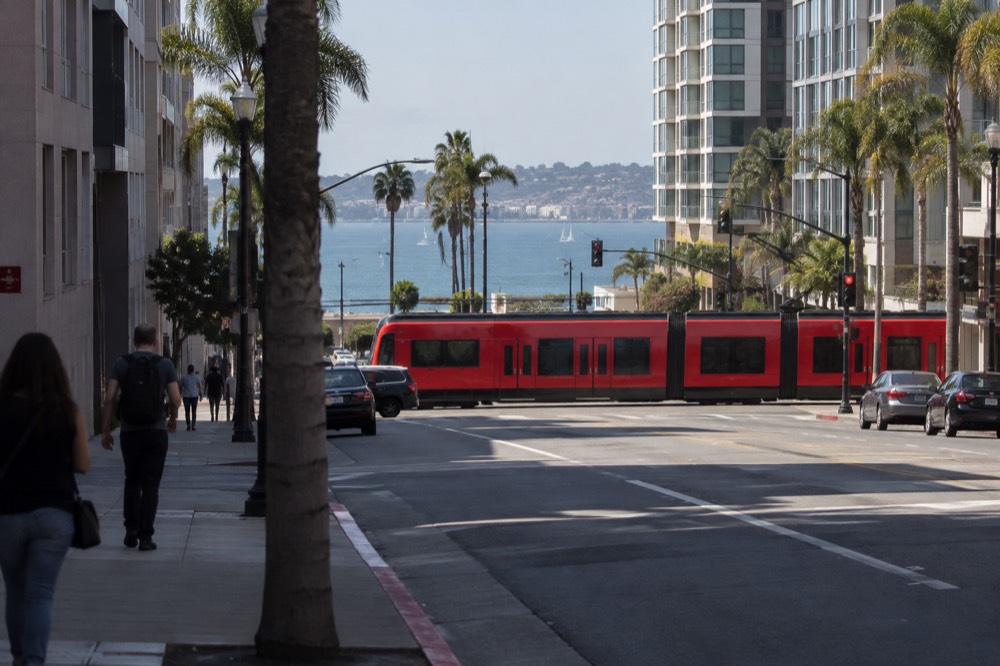
If your trip continues without a car, the transit side is genuinely good. The trolley's Blue Line runs from the border at San Ysidro all the way north through downtown to UC San Diego and UTC, a published end-to-end time of 1 hour 23 minutes, and the fare chart shows $2.50 one-way with free transfers for two hours: https://www.sdmts.com/fares/fare-chart
How Do You Actually Request a Copy?
You request a San Diego accident report by contacting the holding agency's records unit directly: online through the CHP's report portal for freeway collisions, or through SDPD Records for city streets. You will need the date and location of the collision, and ideally the report number. Expect to pay a per-copy fee set by the agency, wait the agency's stated processing period, and show identification if you were a party to the collision. Parties to the collision get the fullest version of the report.
The mechanics are simpler than people fear. The CHP route is the most traveler-friendly: its online portal lets you search by date and location, pay the copy fee, and receive the report without walking into an office. The SDPD route runs through its Records Division, which handles requests in person and by mail, and the current fee and turnaround are stated on the department's own records page, so check there rather than relying on secondhand figures. Fees and processing times change, and no honest guide should quote a number that may be stale by the time you read it.
Identification is the part that catches visitors. If you were a driver, passenger, or registered owner, you are entitled to the full report, but the records unit will want proof: a passport, a driver's license, and something tying you to the incident, like the report number or the vehicle's license plate. Third parties, including rental car companies, generally receive a redacted version. If you rented the car, tell the rental company you are requesting the report yourself rather than waiting on them; their internal process can add days.
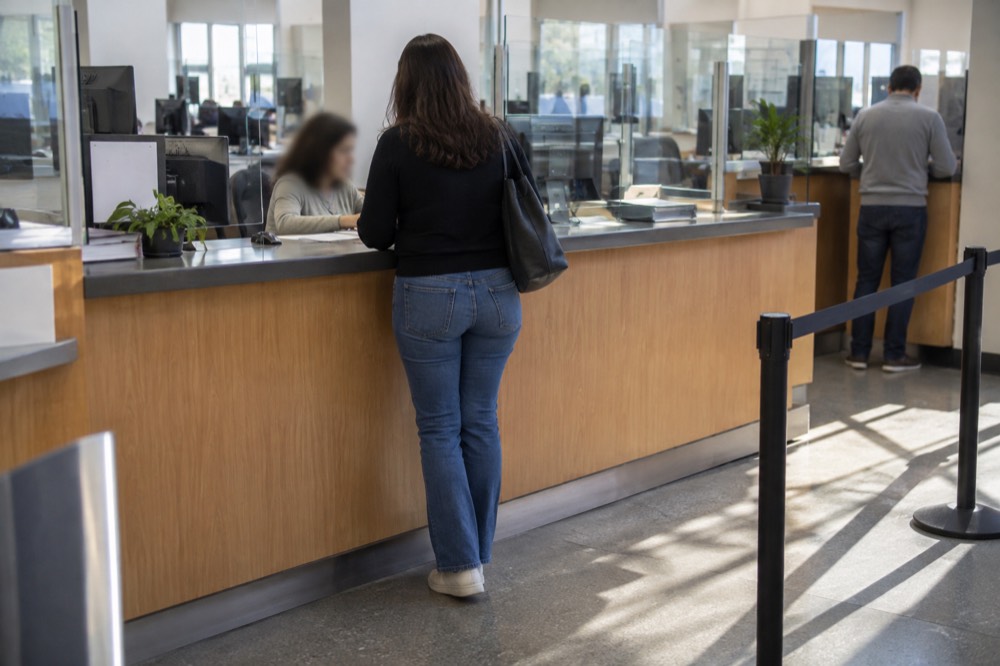
If the collision involved a rental car, there is one more layer: the rental agreement itself. The company will want the accident report number, the other driver's details, and photos, and the sooner you send them, the sooner the hold on your card gets resolved. Keep every piece of paper from the scene, including the other driver's insurance card photo, in one place. The whole claim, yours and theirs, will be built from that folder.
How Long Does the Process Take, and What Should You Do While You Wait?
Report availability typically lags the collision by days to weeks, because the responding officer must finish and approve the report before the records unit can release it. Call the records unit with your report number to ask whether it has cleared, rather than making a trip on spec. While you wait, keep the claim moving with your insurer, and if your trip continues, shift your sightseeing to things that do not depend on the car: the trolley network, the Embarcadero, and walkable neighborhoods like Little Italy and the Gaslamp.
The waiting period is the frustrating part, and it varies with how busy the agency is and how complex the collision was. A simple two-car fender bender with no injuries usually clears faster than a multi-vehicle incident, and reports involving injuries take longer still because a supervisor reviews them. There is no published schedule you can rely on, so the practical move is a phone call with your report number in hand. Records staff can tell you whether the report is in the system yet, and that one call saves a wasted cross-town trip.
Meanwhile, the claim should not wait on the report. Notify your insurer immediately, even from abroad, and send them everything you have: photos, the other driver's details, the officer's card. Insurers routinely pull reports themselves once they exist, and your own copy is mostly for your records and for any dispute about fault. If you were injured, an attorney can also request the report on your behalf, which is sometimes faster because law offices have standing channels with the records units.
Getting Around San Diego While the Car Is Out of Action
A collision does not have to end the trip. San Diego's core sightseeing is clustered: the Embarcadero, USS Midway, Seaport Village, the Gaslamp, and Balboa Park all sit on or near the trolley lines, and the Hop-on Hop-off Narrated Trolley Tour covers the main stops on a two-day ticket. Visitors waiting on a report or a rental swap can see most of the headline city without driving at all, and the harbor attractions are a short walk from each other.
The Hop-on Hop-off Narrated Trolley Tour is built for exactly this situation. The ticket is valid for two days, the narration covers the history of the stops, and you can board and re-board as you please between downtown, Balboa Park, the harbor, and Coronado. When the practical question of the week is "how do I see the city with no car," a loop you can join from a downtown hotel answers it directly. Check availability for your dates if that fits.
Two other options fill the gap well. The 2-Hour GoCar Tour puts you in a small story-telling car on routes through downtown and Old Town or the beaches, which suits travelers who want the independence back without a full-size vehicle. And if the day needs a complete change of subject, the USS Midway Museum Entry Ticket buys you hours aboard a carrier; the museum's own visit page lists 10:00 am to 5:00 pm with last admission at 4:00 pm, closed only Thanksgiving and Christmas: https://www.midway.org/visit/know-before-you-go
For orientation while you wait, the practical guides help: the getting around San Diego overview covers trolley, bus, and ferry basics, and the parking in San Diego guide explains where a replacement rental can and cannot be left cheaply. If the accident has you reconsidering the downtown hotel plan entirely, the comparison is it better to stay in Gaslamp or downtown San Diego is worth a read, since staying central removes the car question for a day or two.
One last practical note: keep the report request and the vacation in separate mental boxes. The records unit does not care that you fly home Friday, and chasing a report rarely speeds it up. Request it, give your insurer everything, and let the days in between be harbor cruises, Balboa Park walks, and tacos in Old Town rather than hold music. The paperwork will find you, and the trip is still yours.
Common Questions About San Diego Accident Reports
how can i find san diego accident reports?
Identify which agency responded: the California Highway Patrol for freeway collisions, the San Diego Police Department for city streets, or the relevant city's police department elsewhere in the county. Request the report from that agency's records unit, online or in person, with the date, location, and ideally the report number. Parties to the collision receive the full report with photo identification.
How much does a copy of an accident report cost?
Each agency sets its own per-copy fee, and the current amount is stated on the agency's records page. Fees change often enough that quoting a number here would risk being wrong by the time you read it, so treat the records unit's own page as the source of truth and budget a small administrative fee.
Can I get the report if I was not a driver or owner?
Usually only in redacted form. Full reports go to the drivers, registered owners, injured parties, and their insurers or attorneys. A rental car company, an employer, or another third party typically receives a version with personal details removed. An attorney can request the full report on behalf of an injured client.
What if the police never came to the scene?
There may be no official report. You can often file a report after the fact with the agency whose jurisdiction the collision occurred in, especially for hit-and-run or injury incidents. Otherwise your photos, the other driver's insurance details, and witness notes become the record your insurer works from.
How long does it take for a report to become available?
It depends on the agency's workload and the collision's complexity, and no reliable published schedule exists. The practical move is to call the records unit with your report number and ask whether the report has cleared. Simple collisions generally clear faster than multi-vehicle or injury collisions, which require supervisor review.
Do I need the report to start an insurance claim?
No. Notify your insurer immediately with what you have: photos, the other driver's details, and the officer's card if you received one. Insurers request the official report themselves once it exists, and your own copy is mainly for your records and for any dispute about fault.