Where Has Guy Fieri Gone in San Diego?
An honest look at the Guy Fieri San Diego question: which food neighborhoods a famous-food route actually runs through, what to eat in each, and how to get between them without a car.
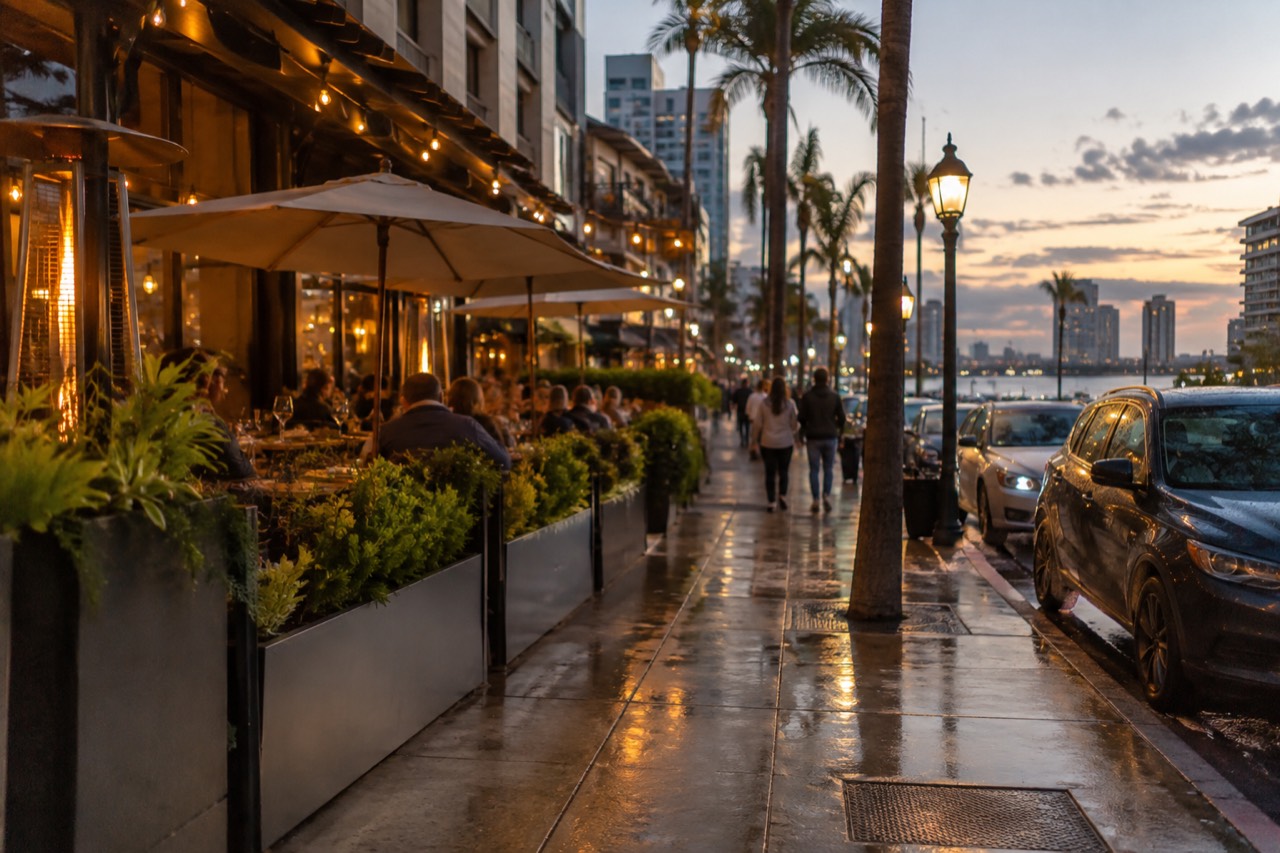
Where Has Guy Fieri Gone in San Diego?
The honest answer is that no verified, current list of Guy Fieri's San Diego restaurant stops exists in any primary source we trust, and celebrity itineraries change faster than any guide can track them. What we can do instead is walk you through the food neighborhoods his kind of show loves, the Gaslamp Quarter, Little Italy, Old Town and North Park, and show you how to eat through them the way a food TV crew would, with honest advice on getting around.
The question usually arrives from viewers of food television who land in San Diego with a mental map of diners and drive-ins and want to reproduce it. That impulse is a good one. The neighborhoods that attract camera crews are the same neighborhoods that hold the city's best tacos, its oldest Italian kitchens and its most inventive breweries. The mistake is treating the celebrity's itinerary as the plan rather than the starting point.
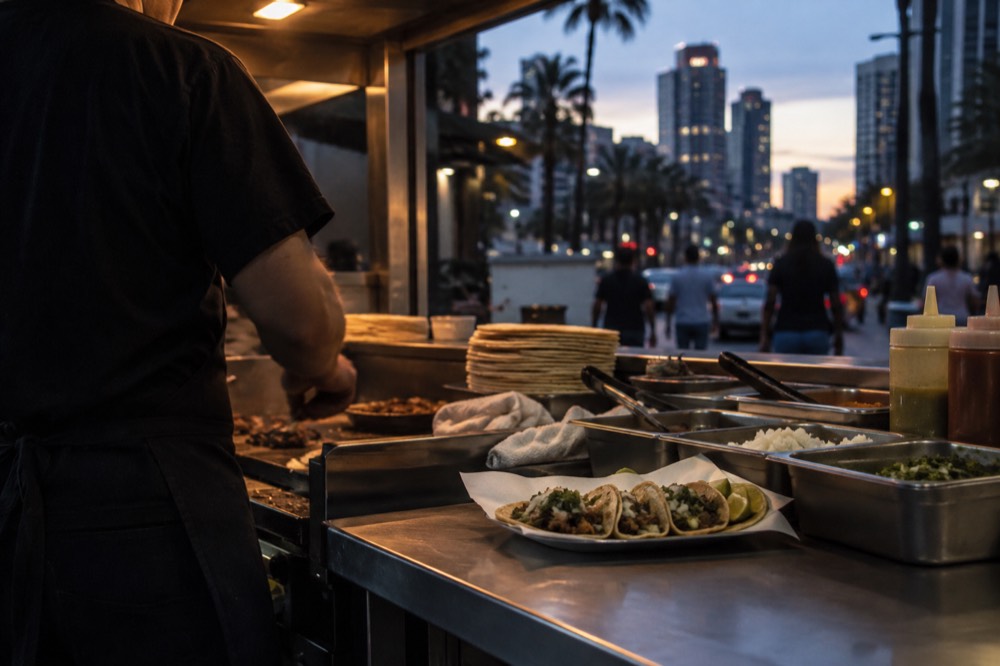
This site, Things to Do in San Diego, is an editorial desk rather than a celebrity tracker, so we will not print a restaurant list we cannot source. What we can source is the city itself: where the food districts sit, what each one does best, and how to move between them on public transit. If you want the food-history angle, our piece on where Guy Fieri did go in San Diego covers the background, and our rundown of must-eat dishes in San Diego lists the plates that actually define the city.
There is a second reason the celebrity question is worth answering carefully. San Diego's food reputation has outgrown any single television segment. The county received 32.5 million visitors in 2024, and a large share of them arrive with a food list already in hand. Some of those lists trace back to television, some to social media, and some to word of mouth from friends who ate here years ago. All of them age. The neighborhoods do not.
Which San Diego Food Neighborhoods Does the Famous-food Route Run Through?
Four neighborhoods carry almost every credible food-crawl story in San Diego: the Gaslamp Quarter for late-night plates and cocktails, Little Italy for Italian kitchens and a weekly farmers market, Old Town for Mexican cooking rooted in the city's founding era, and North Park for breweries and chef-driven small plates. A serious food day touches two of them, a serious food weekend touches all four.
The Gaslamp Quarter is the downtown flagship. It is walkable, loud at night, and dense with restaurants in restored Victorian-era buildings, which is exactly the texture food television shoots for. A food and drink walking tour of the Gaslamp Quarter covers several stops in two and a half hours, which is the efficient way to sample the district when your time is short.
Little Italy is the quieter sibling. Its farmers market is one of the best in the county, and the restaurant row along India Street runs from old-school red-sauce kitchens to modern coastal Italian. Old Town is where the story shifts to Mexican cooking, the original California comfort food, and it pairs well with a tequila and tacos walking food tour that covers the historic district on foot.
North Park is the brewery capital. The North Park Beerucation Tour builds a three-hour walk around beer education with tastings, and the neighborhood's restaurant scene has grown up around its taprooms. If your food crawl is really a drink crawl, start here.
Between those anchor districts, the practical question is sequencing. Old Town and the Gaslamp sit close together on the trolley line, so they pair naturally in one afternoon. Little Italy is a short walk north of the Gaslamp along the harbor. North Park is inland and needs a bus or a rideshare, so most visitors save it for a dedicated evening rather than squeezing it between downtown stops.
A sensible first day pairs Old Town and Little Italy. Start mid-morning in Old Town while the historic district is quiet, eat a long lunch there, then ride or walk north to Little Italy for the afternoon market or an early espresso-and-pastry stop, and finish with dinner on India Street. A second day can open with the Gaslamp, since it wakes up late, and end in North Park once the taprooms fill. That order respects both the geography and the opening hours.
How Do You Get Between the Food Stops Without a Car?
You use the MTS trolley and bus system, which charges $2.50 per one-way ride with two-hour transfers and $6.00 for a day pass, and you pay with the PRONTO card or app, which caps your fares automatically once your rides total the day-pass value. There is no reason to buy a day pass up front when pay-as-you-go earns it for you.
The fare logic comes straight from the official MTS fare chart. Load money on PRONTO, tap on, and the system stops charging you once you have paid the equivalent of a day pass in a single day. Contactless bank cards work too, but they are one-way only and do not cap, so the card or app is the better tool for a multi-stop food crawl.
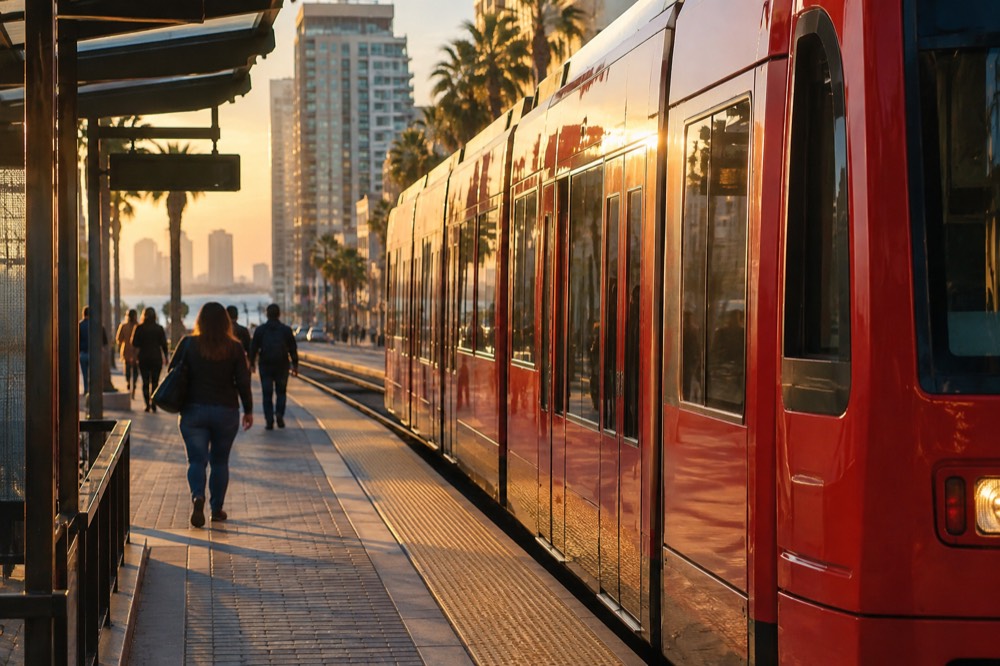
For a food crawl specifically, the narrated option beats the transit map. The Hop-on Hop-off Narrated Trolley Tour runs for two days across the downtown core, with commentary between stops, and it links the Gaslamp, Old Town and the Embarcadero without a single parking decision. Two days of hopping is enough to eat through three neighborhoods at a civilized pace, one long lunch, one dinner, one market morning.
If you would rather drive yourself between bites without actually driving, the GoCar option is the middle path. The 2-Hour GoCar Tour of Downtown San Diego covers Old Town or the beaches on a GPS-guided route, and it suits travelers who want the food stops plus the coastline in one loop. It is a two-person vehicle, so it works for couples rather than groups.
Parking downtown, for anyone who does drive, is metered at $2.50 per hour with enforcement that now runs into Sunday in commercial zones, per the City of San Diego's parking FAQ. Posted signs win over any guide, including this one. The short version: a food crawl downtown is better without a car.
One more transit note worth knowing before you plan. Youth 18 and under ride free on the region's youth pass program, and up to two children aged 5 and under travel free with a paying adult, so a family food crawl on transit is genuinely cheap. Reduced fares, $1.25 one-way, apply to seniors 65 and over, disabled riders and Medicare cardholders with ID.
What Should You Actually Eat in Each Neighborhood?
Eat the dish each district is genuinely known for rather than chasing a name: tacos and Mexican comfort food in Old Town, Italian and market produce in Little Italy, steak and late-night plates in the Gaslamp, and beer with anything fried in North Park. The table below pairs each neighborhood with its signature bite and the kind of stop that earns its place on a crawl.
| Neighborhood | Signature bite | Best stop type | Pairs well with |
|---|---|---|---|
| Old Town | Tacos and tequila | Historic adobe restaurants | A walking food tour |
| Little Italy | Italian and pastries | India Street restaurant row | The Saturday farmers market |
| Gaslamp Quarter | Late-night plates and steak | Victorian-fronted kitchens | A harbor cruise after dinner |
| North Park | Brewery food | Taprooms with kitchens | A guided brewery tour |
The taco deserves its own sentence. San Diego's taco culture is the city's most credible claim to a signature dish, and our best tacos in San Diego guide covers the landscape in full, from fish tacos near the piers to birria in the inland neighborhoods. A food crawl that skips tacos has missed the point of eating in this city.
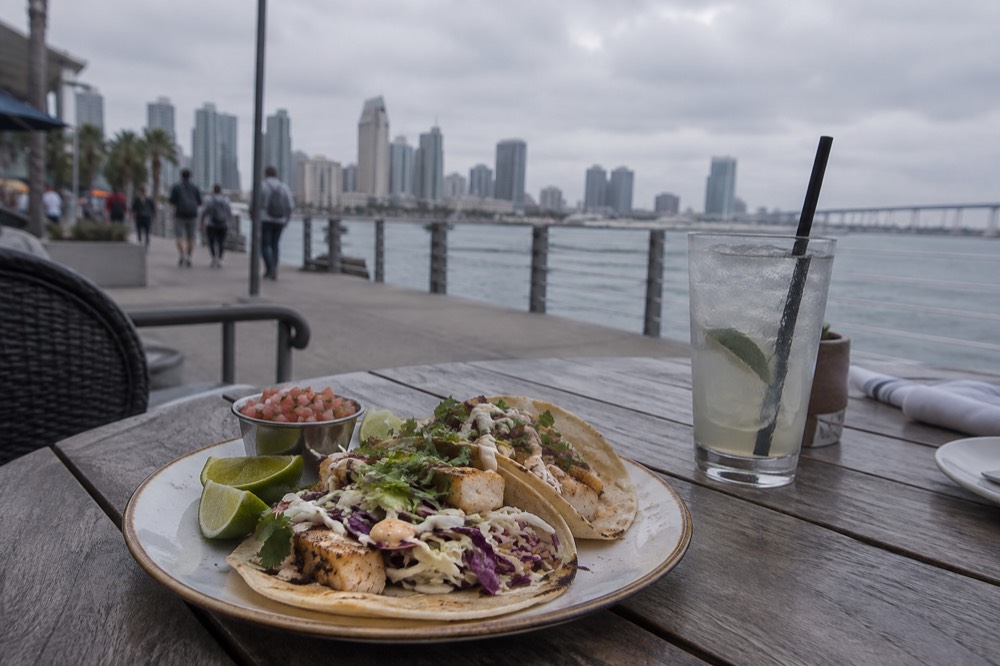
One practical note on pacing: San Diego's restaurants close earlier than a Las Vegas food tourist might expect, and the Gaslamp is the one district that reliably serves late. Plan Old Town and Little Italy for lunch and early dinner, and save the Gaslamp for the nightcap stop. That order also matches the trolley geography, which runs through Old Town and the Gaslamp directly.
Drinks deserve as much planning as food. The county's brewery scene is nationally known, and a crawl that pairs each neighborhood's food with its local beer style, Mexican lagers with Old Town, Italian and pilsners with Little Italy, stouts and IPAs with North Park, will feel far more deliberate than a list of restaurant names ever could. The San Diego breweries guide maps the taproom landscape if you want to go deeper than one evening allows.
Is a Celebrity Food Crawl Worth Your San Diego Time?
A celebrity-inspired food crawl is worth it if it gets you into the four real food neighborhoods, and it stops being worth it the moment it turns into a checklist of one specific person's television appearances. The neighborhoods outlast any itinerary, the trolley connects them cheaply, and September is the month to do it, when the city is at its warmest and its least crowded.
That last point is the site's favorite counterintuitive fact. September's normal high of 77.2F beats July's by nearly two degrees and sits a tenth behind August's, yet September is the single lowest visitation month at Cabrillo National Monument across recent years, with a gap of roughly 48 percent against July. The crowds leave just as the weather peaks, which makes it the best food-crawl month on the calendar.
The honest closing thought: the reason people ask where a celebrity ate is that they want a shortcut to the good food. In San Diego the shortcut already exists, and it is not a person's television log. It is the geography. Four neighborhoods, one trolley line, a PRONTO card in your pocket, and the willingness to order whatever the counter recommends. That plan will still be delivering long after this year's television itinerary has quietly closed half its stops.
Common Questions About Guy Fieri's San Diego Stops
where has guy fieri gone in san diego?
No primary source publishes a verified, current list of his San Diego stops, so this site will not print one. The reliable approach is to eat through the food neighborhoods his kind of show features: the Gaslamp Quarter, Little Italy, Old Town and North Park.
Which San Diego neighborhood has the best food for a crawl?
Old Town for tacos and Mexican cooking, Little Italy for Italian and the farmers market, the Gaslamp for late-night plates, North Park for breweries. A weekend crawl can cover all four; a single day covers two.
Can you do a San Diego food tour without a car?
Yes. The trolley and bus charge $2.50 per ride with transfers, a narrated hop-on hop-off trolley runs for two days across the core, and guided food tours in the Gaslamp, Old Town and Little Italy cover multiple stops on foot.
What is the single must-eat dish in San Diego?
The fish taco is the city's most credible signature dish, though the taco scene runs far wider than fish. Our best tacos guide covers the full landscape.
When is the best month for a food crawl in San Diego?
September. It is statistically among the warmest months, the ocean is at its warmest, and visitation drops after summer, so restaurant waits shorten just as the weather peaks.
Are guided food tours worth it in San Diego?
They are the most efficient way to sample a district, since a two-and-a-half-hour walking tour covers several kitchens you would otherwise need a full evening to reach. They also remove every parking and transit decision from your night.